
7 Signs You Need a New AC Unit Before It Breaks Down
Air conditioners rarely fail overnight. In most cases, your system gives clear warning signs long before it completely stops working. Homeowners often notice cooling problems, higher energy bills, or repeated repairs that slowly make the system less reliable. These signs can indicate that your air conditioner is approaching the end of its service life.
Ignoring these signals can lead to sudden breakdowns during the hottest months of the year when cooling is most important.
Recognizing these warning signs early makes it easier to decide whether a repair will solve the issue or if replacing the system is the smarter long term solution.
Keep reading to learn the most common signs that your air conditioner may need to be replaced.
Key Takeaways
- Air conditioners typically last 10 to 15 years with proper maintenance.
- Frequent repairs often indicate the system is nearing the end of its lifespan.
- Rising energy bills can signal declining efficiency in an aging AC unit.
- Weak airflow or uneven cooling may indicate worn components.
- A professional HVAC inspection can determine if replacement is the best option.
How Long Does an Air Conditioner Typically Last?
Most residential air conditioners are designed to last between ten and fifteen years. The exact lifespan depends on several factors, including how often the system runs, the local climate, and how well the system has been maintained over time.
In places like Fayetteville where summers can be hot and humid, air conditioners work harder to maintain comfortable indoor temperatures. Systems that run frequently throughout the cooling season may reach the end of their lifespan sooner than systems in milder climates.
Regular maintenance plays a major role in extending the life of your air conditioner. Routine inspections, filter replacements, and coil cleaning help keep the system operating efficiently. However, even well maintained systems eventually experience wear on important components such as compressors, motors, and electrical parts.
As the system ages, these components may struggle to keep up with cooling demand. Homeowners often begin to notice performance changes before the unit fully breaks down.
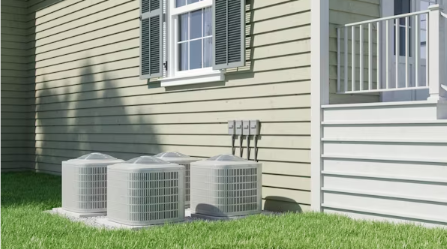
7 Common Signs You May Need a New AC Unit
Many homeowners wonder how to tell when an air conditioner is reaching the end of its life. Several warning signs can indicate that replacement may be a better option than continued repairs.
1. Your AC Is More Than 10 to 15 Years Old
Age is one of the strongest indicators that replacement may soon be necessary. Air conditioners older than fifteen years often struggle to maintain consistent cooling and may use significantly more energy than newer systems.
Older units may also rely on outdated refrigerants that are becoming harder to service. As parts become less available, repairs can become more expensive.
2. Frequent AC Repairs
An occasional repair is normal for any mechanical system. However, repeated breakdowns can signal that multiple components are wearing out.
If your air conditioner requires repairs every cooling season, the cost of keeping the system running can quickly add up. At that point, investing in a new system may provide better long term value.
3. Rising Energy Bills Without Increased Usage
Older air conditioners gradually lose efficiency as internal components wear down. The system may run longer cycles to maintain the same temperature, which increases electricity consumption.
If your energy bills continue rising despite normal usage, declining efficiency may be a sign that your system is no longer performing the way it should.
4. Weak or Inconsistent Cooling
Another common warning sign is uneven cooling throughout the home. Some rooms may feel comfortable while others remain warm even when the air conditioner is running.
This problem can occur when the system no longer produces enough cooling capacity to keep up with the size of the home.
5. Strange Noises or Vibrations
Air conditioners normally produce a steady humming sound while running. Loud or unusual noises often indicate worn or failing components.
Grinding, rattling, or banging sounds may suggest problems with the blower motor, compressor, or fan assembly. When these noises begin appearing frequently, replacement may be the more reliable solution.
6. Refrigerant Leaks or Outdated Refrigerant
Some older systems rely on refrigerants that are no longer commonly used in modern air conditioners. Repairs involving these refrigerants can be expensive and difficult.
If your system develops a refrigerant leak and uses outdated refrigerant, replacing the unit may be more practical than continuing repairs.
7. Poor Airflow Throughout the Home
Declining airflow can indicate aging blower components or internal system wear. When airflow becomes weaker, your system must run longer cycles to distribute cooled air throughout the home.
Over time this increased workload can lead to additional mechanical problems.
Repair vs Replace: When a New AC Unit Makes More Sense
When an air conditioner begins showing signs of failure, homeowners often wonder whether repair or replacement is the better option. Several factors can help guide this decision, especially when repair costs start adding up or the system begins struggling to keep your home comfortable.
Repair costs are often the first thing homeowners consider. If a repair involves expensive components such as the compressor or evaporator coil, replacing the system may offer better long term value instead of continuing to invest in an aging unit.
Age also plays a major role. Air conditioners approaching fifteen years of service are more likely to experience efficiency and reliability issues. Even if a repair temporarily restores cooling, other components may begin failing soon after.
Energy efficiency is another important factor. Newer air conditioning systems are designed with higher efficiency ratings that allow them to cool homes while using less electricity. Over time, the energy savings from a modern system can offset part of the installation cost.
The comparison below highlights situations where repair may still make sense and when replacement becomes the better long term solution.
Situation | Repair May Make Sense | Replacement May Be the Better Option |
System Age | Unit is less than 8 years old | Unit is 12 to 15 years old or older |
Repair Cost | Minor repair such as capacitor, fan motor, or thermostat | Major component failure such as compressor or evaporator coil |
Energy Efficiency | Energy bills remain stable | Energy bills continue rising despite normal use |
Cooling Performance | Home cools evenly after repairs | System struggles to maintain temperature |
Frequency of Repairs | First or second repair in several years | Multiple repairs needed within a short period |
4 Benefits of Replacing an Old Air Conditioner
Replacing an aging air conditioner can provide several benefits beyond simply restoring cooling.
1. Lower Energy Bills
Modern air conditioners are built with advanced compressor technology and higher efficiency ratings. These improvements allow the system to cool the home using less electricity than older units.
Homeowners often notice a reduction in monthly energy costs after installing a new system.
2. Better Cooling Performance
New air conditioners are designed to maintain more consistent indoor temperatures. Improved airflow and advanced controls help distribute cool air evenly throughout the home.
This can eliminate the uneven cooling that often occurs with older systems.
3. Quieter Operation
Advances in compressor design and fan technology have made modern systems significantly quieter than older units. Many homeowners notice the difference immediately after installation.
4. Improved Indoor Air Quality
New systems often integrate advanced filtration and humidity control features. These improvements help reduce airborne particles and maintain a healthier indoor environment.
How to Extend the Life of Your Air Conditioner
Although all air conditioners eventually reach the end of their service life, several steps can help extend the lifespan of your system.
Schedule Annual AC Maintenance
Professional maintenance allows technicians to inspect key components and address small issues before they turn into larger problems. Regular servicing also helps maintain system efficiency.
Replace Air Filters Regularly
Dirty filters restrict airflow and force the system to work harder. Replacing filters regularly helps maintain proper airflow and prevents unnecessary strain on the system.
Keep the Outdoor Unit Clear
The outdoor condenser unit needs proper airflow to release heat. Keeping the surrounding area clear of debris, plants, and leaves allows the system to operate more efficiently.
Address Small Issues Early
If you notice unusual noises, weak airflow, or cooling problems, scheduling service early can prevent additional damage and extend the life of the system.
Upgrade Your Cooling System Before the Next Heatwave
Air conditioners often provide clear warning signs when they are nearing the end of their service life. Frequent repairs, rising energy bills, weak cooling, and system age can all indicate that replacement may soon be necessary.
Addressing these signs early allows homeowners to plan ahead rather than facing an unexpected breakdown during peak summer heat. A new air conditioner can restore reliable cooling, improve efficiency, and provide better comfort throughout your home.
If your system is showing signs of aging or struggling to keep your home comfortable, contact A/C Man Heating and Air today to schedule a professional inspection. Our team can evaluate your current system and help you determine whether repair or replacement is the best solution for your home.
FAQs
How do I know if my AC unit needs to be replaced?
Several signs can indicate that replacement may be necessary. These include frequent repairs, rising energy bills, weak airflow, uneven cooling, and system age beyond fifteen years. A professional HVAC inspection can confirm whether replacement is the best solution.
What is the average lifespan of a central air conditioner?
Most central air conditioners last between ten and fifteen years with proper maintenance. Systems that run frequently in hot climates may wear out sooner, while well maintained systems may continue operating slightly longer before replacement becomes necessary.
Should I repair or replace my AC unit?
The decision depends on system age, repair cost, and overall efficiency. If the system is older and requires expensive repairs, replacing it with a modern high efficiency unit may provide better long term value and improved comfort.
How much does a new AC unit cost?
The cost of a new air conditioner varies depending on system size, installation requirements, and efficiency rating. A professional HVAC inspection helps determine the right system for your home and provides an accurate installation estimate.
Can a new AC system lower my energy bills?
Yes. Newer air conditioners are designed with improved efficiency standards that allow them to cool homes using less electricity. Many homeowners see lower energy bills after replacing an older system that had begun losing efficiency.
