
5 Tips to Improve Your Indoor Air Quality This Fall
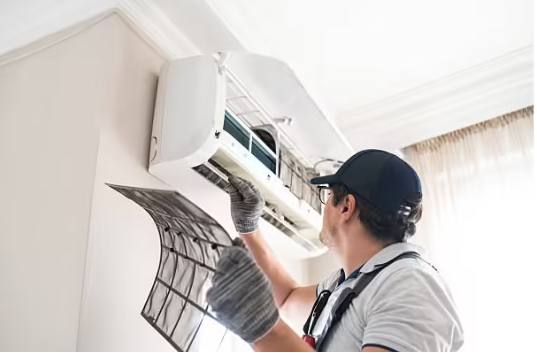
Fall brings cooler temperatures, open windows give way to closed doors, and many homeowners begin switching their HVAC systems from cooling to heating mode.
While the season feels comfortable, it also marks the time when indoor air quality often starts to decline. As homes become more sealed against the weather, airborne particles such as dust, pet dander, pollen, mold spores, and other contaminants have fewer opportunities to escape.
The impact can be significant. According to the American Lung Association, indoor air can be two to five times more polluted than outdoor air, and most people spend about 90 percent of their time indoors. That means the quality of the air inside your home can have a direct effect on comfort, allergies, respiratory health, and overall well being throughout the season.
The good news is that improving indoor air quality does not always require major upgrades or expensive equipment. In this blog, we’ll cover five practical ways to create cleaner, healthier indoor air this fall and help your HVAC system support a more comfortable home.
Key takeaways:
- Fall traps dust, allergens, and mold inside as windows close and heating systems kick on.
- A fresh, higher rated air filter is the cheapest and fastest way to clean your air.
- Balancing humidity between 30 and 50 percent limits mold, dust mites, and dry air discomfort.
- A fall heating tune up keeps your system from circulating dust and allergens.
- Air purifiers, duct sealing, and fresh ventilation add another layer of protection.
Why Indoor Air Quality Gets Worse in the Fall
Fall is hard on indoor air quality for a simple reason: your home seals up just as it fills with more to breathe. When the weather cools, you close the windows that used to let fresh air in and flush stale air out. At the same time, you switch on the heat, which stirs up and recirculates dust, dander, and allergens that settled over the summer.
The season adds its own irritants too. Ragweed pollen peaks in early fall, falling leaves and damp weather feed mold, and a home that runs its heating system with the windows shut keeps all of it trapped inside. That is why so many Fayetteville families notice more sneezing, congestion, and dust once the cool weather arrives. The five tips below tackle each part of the problem.
5 Tips to Improve Your Indoor Air Quality This Fall
Cleaner fall air comes down to removing pollutants, controlling moisture, and keeping your system clean. These five steps work together, and you can start most of them today. Work through them in order for the biggest improvement.
1. Change and Upgrade Your Air Filter
The single fastest way to clean your indoor air is a fresh, better air filter. Your HVAC filter catches dust, pollen, and pet dander, but a clogged or cheap one lets most of it slip through. Replace your filter every 30 to 90 days, and consider upgrading to a MERV 11 or MERV 13 filter, which traps far smaller particles than a basic fiberglass filter. Just confirm your system can handle the higher rating, since too restrictive a filter can strain airflow.
2. Schedule a Fall Heating Tune Up
A fall tune up keeps your heating system from becoming a dust pump. Over the summer, dust and debris collect on the coils, blower, and inside the cabinet, and the first time the heat runs, all of it gets blown into your rooms. A professional cleans those components, checks the system, and makes sure it is circulating clean air rather than recirculating buildup. It also catches safety issues like a cracked heat exchanger before heating season hits.
3. Balance Your Indoor Humidity
Both too much and too little moisture hurt your air and your comfort. High humidity feeds mold, mildew, and dust mites, while the dry air that comes with running the heat irritates your throat, skin, and sinuses. Aim to keep indoor humidity between 30 and 50 percent, using a dehumidifier for damp spaces and a humidifier when the heat dries things out. A balanced home feels more comfortable and stays healthier all season.
4. Clear the Air Pathways: Ducts and Crawlspace
The air in your home only stays clean if the paths it travels are clean too. Leaky ductwork and a damp crawlspace can pull dust, mold spores, and musty air straight into your living space through the stack effect. Sealing duct leaks and addressing crawlspace moisture stops contaminated air at the source. If your vents blow dust when the system starts or your home smells musty, the pathways are worth a professional look.
5. Add Air Purification and Fresh Ventilation
For the cleanest air, add a layer beyond filtration. A whole home air purifier or a UV light installed near the coil kills mold, bacteria, and viruses that a filter alone cannot catch. On milder fall days, crack the windows for a short while to flush out stale air and bring in fresh, and run exhaust fans in the kitchen and bathrooms to clear moisture and odors. Small bursts of ventilation make a noticeable difference.
When to Call an HVAC Professional in Fayetteville
Call a professional when your home stays dusty or musty no matter how often you clean, when allergies flare up once the heat comes on, or when you want air purification and humidity control set up before winter. Those point to issues in the system or air pathways that a homeowner cannot fully fix alone.
This is where A/C Man Heating and Air comes in. Our certified technicians clean and inspect your heating and cooling system, upgrade your filtration, check your humidity and ductwork, and recommend purification options that fit your home.
We serve families across Fayetteville, and we focus on solving the source of poor air rather than masking it. A/C Man Heating and Air helps Fayetteville homeowners breathe cleaner, healthier air through the fall and into the heating season.
A Real Fayetteville Air Quality Fix
A family in the Arran Lakes neighborhood in Fayetteville called A/C Man Heating and Air after the first cool week of fall left everyone sneezing and the furniture coated in dust the moment they switched on the heat. They had changed the filter but saw no improvement.
Our technician inspected the whole system and found the real sources. The blower and coil were caked with summer dust, a section of return duct was leaking and pulling musty air from the crawlspace, and the cheap filter was letting fine particles right through. We cleaned the system, sealed the leaking duct, upgraded the family to a MERV 13 filter, and recommended a dehumidifier for the crawlspace.
Within days the dust settled down and the sneezing eased, and the home felt fresher heading into the season. It is a clear example of how cleaner indoor air comes from fixing the system and the air pathways, not just swapping a filter.
Breathing Easier in Your Fayetteville Home This Season
Improving your indoor air quality this fall is mostly about getting ahead of the season before your sealed up home and running heater start working against you.
A fresh, higher rated filter, balanced humidity, a fall tune up, clean air pathways, and a little purification and ventilation together turn stale, dusty air into air that is genuinely healthier to breathe. The homeowners who feel the difference are the ones who act before the worst of the allergens settle in.
If you want cleaner, healthier air before the heating season takes hold, let A/C Man Heating and Air set your home up the right way with our indoor air quality services. Call us at (910) 841-2106 or reach out through our contact page, and our team will help your Fayetteville family breathe easier all fall and winter long.
FAQs
How can I improve my indoor air quality in the fall?
Start with a fresh, higher rated air filter, then balance your humidity between 30 and 50 percent, schedule a heating tune up, seal leaky ducts, and add purification or ventilation. Together these steps remove allergens and keep your heating system from circulating dust through your home.
Why does my indoor air get worse in the fall?
Fall air worsens because you close the windows and run the heat, which traps and recirculates dust, pet dander, and allergens. Ragweed pollen also peaks, and damp weather feeds mold, so a sealed home keeps all of it inside instead of letting it flush out.
What MERV rating filter should I use?
A MERV 11 to MERV 13 filter captures far more fine particles than a basic fiberglass filter, making it a strong choice for cleaner air. Confirm your system can handle the higher rating first, since an overly restrictive filter can reduce airflow and strain the unit.
Does a fall HVAC tune up improve air quality?
Yes. Over the summer, dust collects on the coils, blower, and cabinet, and the first time the heat runs it blows that buildup into your rooms. A tune up cleans those parts so your system circulates clean air, and it catches safety issues before heating season.
Do air purifiers and UV lights really help indoor air quality?
They add a layer that filters alone cannot. A whole home air purifier or a UV light near the coil kills mold, bacteria, and viruses and reduces particles your filter misses. Paired with good filtration and humidity control, they noticeably improve the air you breathe.
