
Dust settles everywhere in your home. You wipe surfaces in the morning, and by evening they’re dusty again. Your lungs feel heavy when you breathe. You’re tired of constant cleaning but worried about chemicals in commercial dust products.
The truth is simple: you don’t need synthetic cleaners or complicated systems to control dust. Natural methods work, and they work better when you understand where dust actually comes from and how to stop it at the source.
About 60% of household dust enters from outside through shoes and open entry points, while the rest comes from indoor sources like skin cells and fabrics. Control dust naturally by using doormats, damp microfiber cloths, regular vacuuming, and washing fabrics weekly.
Managing humidity between 30% and 50% stops dust mites from thriving. Combine these habits with proper HVAC filter maintenance for maximum air quality and dust reduction.
In this blog, you will learn how to get rid of house dust naturally using simple, effective methods that improve air quality and keep your home cleaner for longer.
Key Takeaways
- Most household dust comes from outside entry points and everyday indoor sources like fabrics and skin
- Simple habits like removing shoes and damp dusting significantly reduce how much dust builds up
- Regular vacuuming and washing fabrics help prevent dust from settling and circulating through your home
- Maintaining indoor humidity between thirty and fifty percent limits dust mites and improves overall air quality
- Proper HVAC filter maintenance plays a key role in controlling dust and keeping your home consistently cleaner
What Causes Dust in Your Home?
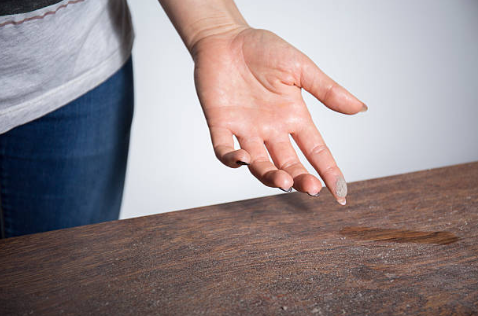
Understanding where dust originates helps you tackle it effectively. You can’t eliminate it entirely, but you can drastically reduce it by stopping it at the source.
About 60% of household dust enters from outside, tracked in through shoes, blown through open windows, or seeping in around door frames and vents. This outdoor dust contains soil particles, pollen, pollution, and countless microscopic contaminants.
The remaining 40% originates inside your home through dead skin cells (humans shed 1.5 pounds of skin annually), pet dander, fabric fibers from furniture and clothing, and dust mite droppings.
Humidity levels directly affect dust mite populations. Dust mites thrive in humid environments and require relative humidity above 65% to survive. They absorb moisture from the air rather than drinking water like other creatures do. When you control indoor humidity, you naturally control the dust mites that feed on dead skin and create allergens.
Poor ventilation compounds the problem. Stagnant air allows dust and dust mites to accumulate. A well-maintained HVAC system with proper filtration prevents dust from circulating back into living spaces.
How to Get Rid of House Dust Naturally
These natural methods work by preventing dust from entering your home, removing what’s already there, and avoiding techniques that spread dust into the air.
1. Keep Shoes and Dirt at the Door
Your shoes carry more than just dirt. They transport pollen, bacteria, chemicals from pavement, and countless dust particles directly into your home. Removing shoes before entering is one of the single most effective dust reduction strategies you can implement.
Place high-quality doormats at every entrance, both outside and inside the door. Encourage family and guests to wipe their feet thoroughly on the outdoor mat. Consider keeping a basket of house slippers or socks near the door for visitors. This simple habit reduces the dust you bring in by a measurable amount within weeks.
2. Clean with Damp or Microfiber Cloths
Dry dusting spreads dust into the air where you breathe it and where it settles on other surfaces. Using a damp microfiber cloth actually traps dust instead of dispersing it. Microfiber works through its unique structure with tiny hook-like fibers that cling to dust particles.
Dampen your cloth lightly with plain water or a simple vinegar and water solution (one part vinegar to four parts water). Wipe surfaces from top to bottom so gravity helps direct particles downward. This method takes slightly longer than dry dusting but delivers much better results and healthier indoor air.
3. Vacuum and Mop Regularly
Carpets trap enormous amounts of dust and dust mites. Vacuuming at least twice weekly removes accumulated particles. Use a vacuum with a HEPA filter, which captures smaller particles that regular filters miss. Mop hard floors weekly with a damp mop, which traps dust instead of stirring it airborne.
Focus on areas that accumulate dust fastest: under furniture, corners, and along baseboards where air movement deposits particles. Pet owners should vacuum more frequently. Fresh, clean carpets and floors noticeably improve air quality within days of implementing a consistent routine.
4. Wash Bedding and Fabrics Often
Your bedding is a dust mite sanctuary. You spend eight hours a night on a surface where they thrive. Wash sheets, pillowcases, and blankets weekly in hot water (at least 120 degrees Fahrenheit) to kill dust mites and remove allergens. Wash comforters and mattress pads monthly.
Curtains trap dust and circulate it into your home when open and closed. Wash them monthly or consider replacing heavy fabric curtains with washable roller shades that collect less dust. Upholstered furniture also accumulates dust. Vacuum and spot-clean regularly, and consider furniture covers you can remove and wash.
5. Declutter Your Space
Clutter provides surfaces for dust to settle on and hiding places for dust mites. Every book, knick-knack, stuffed animal, and decoration on your shelf collects dust. The more items you have, the longer cleaning takes and the more places dust accumulates.
Reducing clutter simplifies your cleaning routine and directly reduces dust buildup. Keep only items you use or genuinely love. Store seasonal items in closed containers where dust can’t settle. This approach creates cleaner air and makes maintaining your home effortless.
6. Add Indoor Plants
Certain plants naturally filter air and help reduce airborne dust particles. Spider plants, Boston ferns, peace lilies, and pothos are easy to grow and effective air purifiers. Plants work by absorbing particles through their leaves and roots, naturally improving indoor air quality.
Place plants throughout your home, especially in bedrooms and living spaces where you spend the most time.
They require minimal care and provide the added benefit of improving your home’s appearance and mood. The act of watering and caring for plants also encourages you to spend time observing your indoor environment and catching dust issues early.
7. Improve Natural Ventilation
Open windows for 15 to 30 minutes on mild days to exchange stale indoor air with fresh outdoor air. Fresh air reduces humidity, dilutes accumulated dust and mites, and introduces sunlight that naturally kills dust mites on exposed surfaces. Sunlight is a powerful natural disinfectant.
Balance this with the fact that open windows also invite outdoor dust. On high pollen days or during heavy traffic times, keep windows closed and instead rely on your HVAC system with proper filtration.
Control Dust Through Your HVAC System
Your heating and cooling system plays a massive role in dust control. A well-maintained system with proper filtration removes dust before it circulates through your home.
Replace Air Filters Regularly
Replace your HVAC air filter every one to three months, or more frequently if you have pets or live in a dusty climate. A clean filter removes dust before it circulates. A clogged filter forces your system to work harder and allows dust-laden air to bypass the filter and return to your home.
Set a phone reminder so you don’t forget. Mark the replacement date on your calendar. Consistent filter replacement is one of the easiest, most effective dust control methods available.
Use High-Quality Filters with Higher MERV Ratings
The MERV scale ranges from 1 to 16, with higher ratings indicating better particle capture. MERV 8 filters capture dust and pollen, while MERV 11 to 13 filters capture smaller particles like mold spores. For dusty homes, a MERV 8 to 11 filter strikes the right balance between efficiency and airflow.
Check your HVAC system’s specifications before upgrading. Very high MERV filters can restrict airflow and strain systems not designed for them. Mid-range MERV ratings deliver superior dust control without system strain.
Maintain Your Ductwork
Leaky or damaged ductwork allows dust to enter your airflow from crawl spaces, attics, and walls. Have your ducts inspected professionally. Sealing leaks improves air quality and system efficiency. Clean ducts prevent dust from being distributed throughout your home.
Manage Indoor Humidity
The ideal indoor humidity level is between 30% and 50%. At this level, dust mites cannot thrive, mold doesn’t grow, and your home feels comfortable. In homes that maintain humidity below 50%, dust mite populations decrease dramatically, and allergen levels can be more than 10 times lower than in humid homes.
In humid climates, use air conditioning and dehumidifiers to maintain optimal levels. In dry climates, use a humidifier during the winter heating season when indoor air becomes extremely dry. This single adjustment is profoundly effective at reducing dust mites and airborne particles naturally.
Daily Habits That Keep Dust Away
Consistency matters more than occasional deep cleaning. Small daily actions prevent dust from accumulating.
Dust from top to bottom so gravity carries particles downward and prevents resettling on surfaces you’ve already cleaned. Clean ceiling fan blades, light fixtures, and high shelves that collect dust and disperse it when the fan runs.
Groom your pets regularly to reduce shedding. Wash your hands after petting animals to avoid transferring dander to your face and lungs.
Minimize fabric-heavy decor. Curtains, throw blankets, rugs, and upholstered furniture all trap dust. Choose smooth, wipeable surfaces when possible. Keep bedroom surfaces clear so dust settles less in the place where you spend a third of your life.
Why Natural Dust Control Works Better

Chemical dust sprays and synthetic cleaners don’t address the root causes of dust. They mask problems temporarily and expose you and your family to potentially harmful chemicals. Natural methods work because they prevent dust from accumulating in the first place.
Controlling dust naturally is safer for your health, reducing allergens that trigger asthma and allergies. It improves your indoor air quality. It costs less than commercial products. It creates long-term results because you’re solving problems at their source rather than applying temporary fixes.
On A Final Note;
Dust will always be part of daily life, but managing it the right way changes everything. With a few smart adjustments and consistent habits, your home can stay cleaner, your air can feel fresher, and your system can run more efficiently.
A/C Man Heating and Air can help you take it a step further. From replacing filters to improving airflow and indoor air quality, our team ensures your HVAC system supports a cleaner, healthier home.
Start with simple changes today, then let A/C Man Heating and Air handle the rest. Schedule your service and take control of your home’s comfort and air quality.
FAQs
How often should I wash my sheets to control dust mites?
Wash sheets, pillowcases, and blankets in hot water (at least 120 degrees Fahrenheit) once weekly to kill dust mites and remove allergens. Wash comforters and mattress pads monthly.
What MERV rating should I choose for my HVAC filter?
For most homes, MERV 8 to 11 provides excellent dust control. MERV 8 captures dust and pollen, while MERV 11 captures smaller particles. Check your HVAC system specifications before upgrading, as very high MERV ratings can restrict airflow.
Does opening windows increase or decrease dust in my home?
Opening windows brings in fresh air and sunlight that kills dust mites, but it also allows outdoor dust to enter. On mild, low-pollen days, open windows for 15 to 30 minutes. On high pollen days or during heavy traffic times, keep windows closed and rely on your filtered HVAC system.
Can houseplants really reduce dust and improve air quality?
Yes. Plants like spider plants, peace lilies, and Boston ferns naturally filter air by absorbing particles through their leaves. They’re easy to grow and provide measurable air quality benefits, though they work best as part of a comprehensive dust control strategy.
What humidity level is best for controlling dust mites?
The ideal humidity range is 30% to 50%. Dust mites cannot thrive below 50% humidity, and allergen levels are dramatically lower when humidity stays in this range. Use air conditioning and dehumidifiers in humid climates, and humidifiers during dry seasons.