
Is It Bad to Run AC With a Low Refrigerant? Causes and Risks

When your air conditioner stops cooling the way it should, low refrigerant is often one of the first problems technicians check. Many homeowners assume refrigerant simply gets used up over time, but that is not how an air conditioning system works.
Refrigerant circulates through a sealed system and should remain at the correct level throughout the life of the unit.
If refrigerant levels drop, the system cannot remove heat effectively. That leads to poor cooling, longer run times, and potential damage to key components like the compressor. Ignoring the issue can quickly turn a small repair into a costly system failure.
Understanding what low refrigerant does to your AC system helps you know when it is time to act. Keep reading to learn what happens when refrigerant levels drop and how to prevent serious damage.
Key Takeaways
- Running an AC with low refrigerant forces the system to work harder and reduces cooling performance.
- Low refrigerant almost always means there is a leak somewhere in the system.
- Ignoring refrigerant problems can damage the compressor, which is one of the most expensive AC components to replace.
- Frozen coils, warm air from vents, and long cooling cycles often signal a refrigerant problem.
- A licensed HVAC technician must locate the leak and recharge the system to restore proper cooling.
How Refrigerant Works in an Air Conditioning System
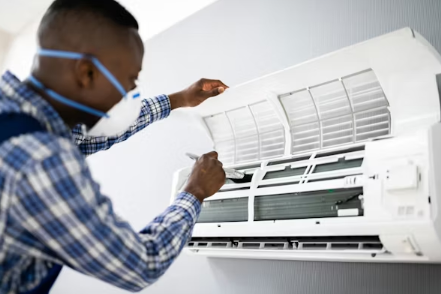
Refrigerant plays a central role in the cooling process inside your air conditioner. It moves through a closed loop that includes the evaporator coil inside your home and the condenser coil located in the outdoor unit. As the refrigerant circulates, it absorbs heat from indoor air and releases that heat outside.
Inside the evaporator coil, refrigerant absorbs heat from the air moving across the coil. The blower fan pushes this cooled air through your ductwork and into your living spaces. The refrigerant then travels to the outdoor condenser, where the heat it collected is released into the outdoor air.
This process repeats continuously while the system is running. Because the refrigerant is sealed within the system, it should not decrease over time. When refrigerant levels drop, it usually means there is a leak somewhere in the system.
Modern air conditioners commonly use refrigerants such as R410A, which replaced older refrigerants like R22 in many systems. Regardless of the type used, the system depends on the correct refrigerant level to maintain proper pressure and cooling performance.
What Happens If You Run an AC With a Low Refrigerant?
An air conditioner can still run with low refrigerant, but it cannot operate the way it was designed. As refrigerant levels drop, the system struggles to absorb and transfer heat. That leads to several problems that gradually worsen if the issue is not corrected.
Reduced Cooling Performance
Low refrigerant reduces the system’s ability to remove heat from the air inside your home. As a result, the air coming from your vents may feel slightly cool rather than properly cold. Even when the system runs continuously, your home may never reach the temperature set on the thermostat.
Many homeowners notice this issue first during hot weather when the AC runs for long periods but the indoor temperature barely changes.
Higher Energy Bills
When refrigerant levels are low, your air conditioner must run longer cycles to attempt to reach the desired temperature. The longer runtime increases electricity usage and places additional strain on the system.
Over time, this increased workload can raise your monthly energy bills while still leaving your home less comfortable.
Frozen Evaporator Coil
Low refrigerant affects the pressure inside the evaporator coil. When pressure drops too low, the coil temperature can fall below freezing. Moisture in the air then freezes on the coil surface, forming ice that blocks airflow.
When the coil freezes, cooling performance drops even further. Eventually, airflow can become so restricted that the system stops cooling altogether.
Compressor Damage
The compressor is the heart of your air conditioning system. It is responsible for circulating refrigerant through the entire system. When refrigerant levels fall too low, the compressor must work harder to maintain pressure and circulation.
This added strain can cause the compressor to overheat and eventually fail. Replacing a compressor is one of the most expensive AC repairs a homeowner can face, which is why refrigerant problems should never be ignored.
Compressor replacements in residential systems often cost between fifteen hundred and three thousand dollars depending on system size and installation requirements.
5 Signs Your AC May Be Low on Refrigerant
Low refrigerant often shows clear warning signs before serious damage occurs. Recognizing these symptoms early can help you schedule repairs before the problem becomes more expensive.
1. AC Blowing Warm or Lukewarm Air
If your air conditioner is running but the air from the vents does not feel properly cold, refrigerant levels may be low. Without enough refrigerant circulating through the evaporator coil, the system cannot remove heat effectively.
2. Ice Forming on Refrigerant Lines or the Indoor Coil
Ice buildup on refrigerant lines or the evaporator coil often indicates low pressure within the system. Homeowners may notice frost or ice around the indoor unit or near the copper lines connected to the outdoor condenser.
3. Hissing or Bubbling Sounds
A small refrigerant leak sometimes produces a hissing or bubbling sound. These noises can occur when refrigerant escapes through small cracks or loose connections in the system.
4. Long Cooling Cycles
When refrigerant levels drop, the system struggles to reach the thermostat setting. The air conditioner may run for long periods without turning off, especially during hot days.
5. Unexpected Increase in Energy Bills
Because the system works harder to compensate for low refrigerant, electricity consumption often increases. Homeowners may notice higher utility bills even though their cooling habits have not changed.
Why AC Systems Lose Refrigerant
Air conditioners are designed to operate with a sealed refrigerant system. Refrigerants do not get used up like fuel in a car. If levels drop, there is almost always a leak somewhere in the system.
Several issues can cause refrigerant loss.
Refrigerant Line Leaks
The copper refrigerant lines connecting the indoor and outdoor units can develop small leaks over time. Vibration, corrosion, or physical damage can weaken the metal and allow refrigerant to escape.
Corrosion in the Evaporator Coil
The evaporator coil inside the air handler can develop tiny holes due to corrosion. Household chemicals, cleaning products, and moisture in the air can contribute to this type of damage.
Poor Installation or Loose Connections
Improper installation can leave fittings and connections slightly loose. Over time, these weak points may allow refrigerants to leak from the system.
Physical Damage to Refrigerant Lines
Refrigerant lines located outdoors can be damaged by landscaping equipment, animals, or construction work near the unit. Even a small dent or puncture can cause a refrigerant leak.
Small leaks can reduce cooling capacity gradually. Some systems lose a noticeable amount of cooling power before homeowners even realize something is wrong.
Can You Just Add Refrigerant to Fix the Problem?
Many homeowners assume that adding refrigerant will solve the issue, but simply topping off the system does not address the underlying problem. If refrigerant levels dropped because of a leak, the system will continue losing refrigerant until that leak is repaired.
Professional HVAC technicians follow a specific process when dealing with refrigerant problems.
Leak Detection
Technicians begin by locating the source of the refrigerant leak. This may involve pressure testing the system or using specialized leak detection equipment.
Repairing the Leak
Once the leak is identified, the damaged component must be repaired or replaced. This could involve repairing a refrigerant line, replacing a coil, or tightening connections.
Recharging the System
After repairs are complete, the technician recharges the system with the correct amount of refrigerant based on manufacturer specifications. This restores proper pressure and cooling performance.
Recharging a system without fixing the leak only provides temporary relief. The refrigerant will eventually leak out again and the same problems will return.
When to Call an HVAC Professional For AC Repair
Low refrigerant is not a problem that homeowners can safely fix on their own. Refrigerants are regulated substances, and handling them requires specialized training and equipment.
If your air conditioner shows signs such as warm airflow, frozen coils, or long cooling cycles, it is best to stop running the system and schedule a professional inspection. Continuing to run the unit can worsen the damage and increase repair costs.
A licensed technician can inspect the system, locate the leak, repair the damaged component, and recharge the refrigerant to the correct level. This ensures the system operates safely and efficiently again.
At A/C Man Heating and Air, our technicians regularly help homeowners diagnose refrigerant problems before they turn into major repairs. Whether the issue involves a small refrigerant leak or a failing coil, a professional inspection can restore reliable cooling and protect your system from further damage.
How to Prevent Refrigerant Problems in Your AC System
While refrigerant leaks cannot always be predicted, regular maintenance can reduce the risk of serious issues and help your system operate more efficiently.
Schedule Annual HVAC Maintenance
Routine maintenance allows technicians to inspect refrigerant levels, test system pressure, and identify small problems before they become major repairs. Annual inspections also help maintain system efficiency and performance.
Replace Air Filters Regularly
Clogged air filters restrict airflow across the evaporator coil, which can contribute to freezing and other performance issues. Replacing filters regularly helps maintain proper airflow and system balance.
Keep the Outdoor Unit Clean
The outdoor condenser unit needs proper airflow to release heat effectively. Keeping the area around the unit clear of debris, leaves, and vegetation helps maintain proper operation.
Address Cooling Issues Early
If your air conditioner begins showing signs of weak cooling, unusual noises, or longer run cycles, scheduling an inspection early can prevent more expensive repairs later.
Customer Story: Low Refrigerant Repair in Fayetteville
A homeowner near Ramsey Street in Fayetteville recently contacted our team after noticing their air conditioner was running all day without cooling the house properly. Even with the thermostat set lower, the indoor temperature remained uncomfortable.
During the inspection, our technician discovered a refrigerant leak in the evaporator coil that had slowly reduced the refrigerant level in the system. The low pressure had already caused ice to form on the coil, restricting airflow and reducing cooling performance.
We replaced the damaged coil, sealed the refrigerant connections, and recharged the system to the proper level. Once the system restarted, the airflow returned to normal and the home cooled quickly again.
Addressing the issue early helped the homeowner avoid compressor damage and restored reliable cooling before the peak summer heat arrived.
Restore Reliable Cooling Before the Problem Gets Worse
Running an air conditioner with low refrigerant can quickly lead to poor cooling, higher energy bills, and damage to important system components. What may begin as a small refrigerant leak can eventually result in frozen coils or compressor failure if the issue is ignored.
If your air conditioner is blowing warm air, running longer than usual, or showing signs of ice buildup, it may be time for a professional inspection. Addressing refrigerant problems early can prevent costly repairs and keep your home comfortable during the hottest months of the year.
If you suspect your AC may have low refrigerant, contact A/C Man Heating and Air today to schedule a system inspection. Our experienced technicians can locate refrigerant leaks, repair the issue, and restore proper cooling so your system runs safely and efficiently again.
FAQs
Can running an AC with low refrigerant damage the compressor?
Yes. Low refrigerant forces the compressor to work harder to maintain pressure in the system. Over time this added strain can cause overheating and mechanical failure, which is one of the most expensive air conditioning repairs homeowners face.
How long can an AC run with low refrigerant?
An air conditioner may continue running for a short period with low refrigerant, but performance will decline quickly. The longer the system runs in this condition, the higher the risk of frozen coils, reduced cooling, and compressor damage.
Is low refrigerant the same as a refrigerant leak?
In most cases, yes. Refrigerant should remain inside a sealed system throughout the life of the air conditioner. If levels drop, it usually indicates a leak somewhere in the refrigerant lines, coil, or system connections.
How much does it cost to repair a refrigerant leak?
Repair costs vary depending on the location of the leak and the type of repair required. Minor line repairs may be relatively affordable, while coil replacements or major leaks can cost significantly more.
Can low refrigerant cause the AC coil to freeze?
Yes. Low refrigerant reduces pressure inside the evaporator coil, which can lower the coil temperature below freezing. Moisture in the air then forms ice on the coil surface, restricting airflow and preventing proper cooling.
