Here’s a general guideline:
- Standard fiberglass filters: Every 30 days
- Pleated filters: Every 60–90 days
- High-efficiency filters (HEPA or media): Every 6–12 months
But those are just averages. Homes with pets, allergies, or high dust exposure may need more frequent changes. Let’s dig into the factors that affect timing.
Factors That Affect How Often You Should Change It
- Pets
If you have one or more pets, especially those that shed, your filter will fill up much faster. Pet dander and hair quickly clog even high-efficiency filters. In these homes, changing your filter every 30–45 days is often best. - Allergies or Asthma
For families dealing with allergies, cleaner air is essential. Even a slightly dirty filter can cause irritants to circulate again. In this case, replace filters monthly for the best indoor air quality. - System Usage
If you live in a region with long cooling or heating seasons, your HVAC system runs more often, pulling more air through the filter. The more you use it, the sooner it needs to be changed. - Home Location
Dusty or pollen-heavy areas, especially near construction sites, farmland, or unpaved roads, mean filters get dirtier quicker. Suburban or urban environments may stretch longer between changes. - Filter Type
Not all filters are equal. Lower-cost fiberglass filters offer minimal filtration and need frequent replacement. Pleated or HEPA-style filters last longer but can restrict airflow if left unchanged too long.
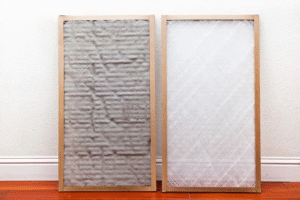
If you’re unsure, check your filter monthly and replace it when you see visible dirt buildup. It’s a simple habit that pays off.
Signs It’s Time to Change the Filter
Even if you forget the calendar, your system gives warning signs when the filter is overdue for replacement:
- Weak airflow from vents
- Dust accumulation on furniture faster than usual
- Increased allergy symptoms indoors
- Higher utility bills despite normal thermostat settings
- Your HVAC unit running longer to reach the same temperature
A clogged filter essentially suffocates your HVAC system. Over time, it can lead to frozen coils or a burned-out blower motor—both expensive repairs that can easily be avoided with timely filter changes.
For reference, if you’re curious about how long other parts of your system should last or how to prevent wear, check out this guide on how long duct seal lasts. It explains how overlooked components, like ductwork, affect efficiency just as much as the filter itself.
The Cost of Forgetting to Change It
When airflow is restricted, the system compensates by working harder, which burns more energy. That can increase your energy bill by up to 15%. Worse, your evaporator coil may freeze up from inadequate airflow, or your furnace could overheat, causing parts to fail prematurely.
The EPA estimates that proper HVAC maintenance, including filter changes, can reduce your system’s energy use by up to 30%. For most homeowners, that means noticeable savings over a single season.
A dirty filter doesn’t just impact energy use; it affects your comfort, too. Rooms farthest from the air handler start feeling warmer or cooler than the rest of the house because airflow can’t reach them evenly. That’s why something as simple as replacing a filter can restore balance across your home.
How to Change Your HVAC Filter
Changing a filter is one of the easiest DIY maintenance tasks you can do.
- Turn off your system. Always shut it down to prevent unfiltered air from circulating.
- Locate the filter slot. It’s usually near the air handler, furnace, or inside the return air vent.
- Check the existing filter size. This is printed on the cardboard frame.
- Insert the new filter. Make sure the airflow arrow on the filter matches the direction of airflow in your system.
- Turn the system back on. Enjoy fresher air and better efficiency immediately.
For a more detailed look into seasonal care and what else you should check when replacing filters, see our HVAC tune-up checklist. It outlines how regular inspections keep your entire system healthy.
How to Remember to Change It
Life gets busy, and filter changes are easy to forget. Here are simple ways to stay consistent:
- Set calendar reminders. A recurring event every 30 or 60 days keeps you accountable.
- Label your filter box. Write the install date directly on the cardboard edge.
- Sign up for delivery services. Many retailers offer subscription options so filters arrive when it’s time to replace them.
- Tie it to other chores. Make it part of your monthly cleaning or bill-paying routine.
The best schedule is the one you can stick to. Once you find what works, your air will stay fresher and your HVAC system will last longer.
Choosing the Right Filter for Your Home
When it comes time to buy a replacement, you’ll notice filters come with a MERV rating (Minimum Efficiency Reporting Value). This number tells you how effective the filter is at trapping particles:
- MERV 1–4: Basic dust control, suitable for older systems
- MERV 5–8: Standard residential use (captures dust, pollen, and mold spores)
- MERV 9–12: Improved filtration for allergy control
- MERV 13–16: Hospital-grade air quality for homes with sensitive occupants
Higher isn’t always better. Filters with very high MERV ratings can restrict airflow if your system isn’t designed for them. If in doubt, check your manufacturer’s recommendation or ask an HVAC professional before upgrading.
How Clean Filters Improve Your Home’s Comfort
Replacing filters regularly does more than protect your system; it transforms your indoor living experience. Cleaner air reduces dusting chores, improves sleep quality, and supports better breathing for children and pets. Your HVAC system will also reach temperature setpoints faster, reducing noise and run time.
A properly maintained system also helps your thermostat readings stay accurate. When airflow is balanced, rooms heat and cool evenly, giving your system the feedback it needs to adjust efficiently.
Final Thoughts
Changing your HVAC filter may seem like a small task, but it’s one of the biggest contributors to comfort, energy savings, and air quality. Whether you replace it monthly or quarterly, make it a habit. The difference in air freshness, system performance, and long-term costs is worth it.
If you’re unsure which filter type your home needs or how to improve your system’s airflow, the experts at Fayetteville HVAC can help. From routine tune-ups to full system inspections, their licensed technicians ensure your HVAC runs efficiently all year long.
Call Fayetteville HVAC today or schedule your service online to keep your system breathing easy.