
Listening to your HVAC system make a loud noise every time it starts or stops can be unsettling. The sound may appear as a sudden pop, a booming thud, a sharp click or a deep rumble that echoes through your ducts.
Many Fayetteville homeowners report these noises during seasonal changes or during the first few run cycles of the day. Although these sounds can be alarming, they almost always have a clear explanation.
In this blog, you will learn why your HVAC system makes loud noises during start up or shutdown, what the different sounds mean, how to troubleshoot safely and when to call a professional.
Once you understand what is happening inside the system, the issue becomes easier to diagnose and manage, so keep on reading.
Key Takeaways
- Loud noises during HVAC startup or shutdown often result from duct expansion, blower strain or ignition delay.
- Dirty filters, loose panels and refrigerant imbalance can increase noise and reduce system efficiency.
- Grinding, screeching or burning odors signal mechanical or electrical problems that need immediate attention.
- Basic checks like tightening panels and replacing filters often reduce noise quickly.
- Fayetteville HVAC technicians can diagnose blower issues, duct problems and refrigerant concerns to restore quiet operation.
Why Your HVAC System Makes Loud Noises During Start Up and Shutdown
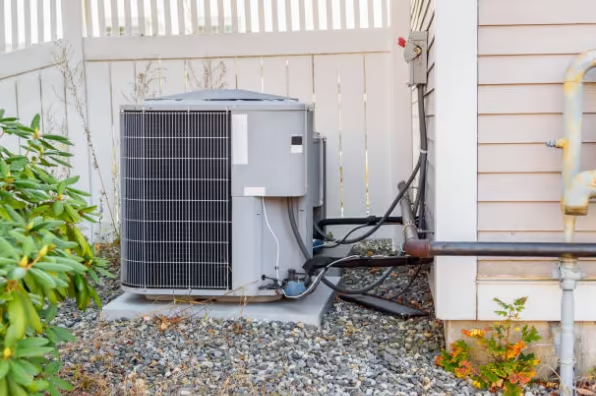
When your HVAC system turns on or off, several components move at once. Air pressure shifts, motors activate, ducts expand and refrigerant begins circulating. Any mechanical strain or imbalance can create noise during these transitions. While some sounds are normal, others signal that the system is working harder than it should or that a component needs attention.
Understanding the cause of the noise helps you determine whether the system is operating safely or requires repair.
Ductwork Expanding or Contracting
One of the most common causes of loud popping or banging noises is duct expansion. Metal ducts naturally expand as warm air flows through them, and they contract again as the system cools down. This movement can create noticeable sounds, especially in older homes or in ductwork with limited support.
Temperature changes inside the ducts happen rapidly during start up and shutdown, which is why the noise tends to occur at those exact moments. Although duct expansion is not dangerous, excessive popping often indicates loose joints, thin duct metal or sections that need reinforcement.
Blower Motor Starting Under Strain
The blower motor is what pushes air through your home. If the motor has worn bearings, weak capacitors or accumulated dust, it may struggle to start smoothly. This strain creates a loud humming, grinding or whining noise when the system first turns on.
Over time, a strained blower motor becomes less efficient and may eventually fail. These noises are important warnings that the system needs maintenance before more serious damage occurs.
Dirty or Blocked Air Filter
A clogged air filter restricts airflow and increases internal pressure inside the HVAC system. When the furnace or air handler starts up, the blower must push harder to move air through the restricted filter. This creates loud whooshing, rattling or repeated thumping sounds.
When the system stops, the sudden drop in pressure can also produce noise. Replacing a dirty filter often reduces these sounds immediately and helps the system operate more efficiently.
Loose HVAC Panels or Screws
Over time, the metal panels that cover the furnace or air handler may loosen slightly due to vibration. When the system turns on or off, these loose panels vibrate or rattle loudly. The noise can sound like metal clanking, shaking or tapping.
Tightening the exterior screws and ensuring all panels are secured properly often resolves this issue quickly. Although harmless, ignoring loose panels can lead to more noise and potential wear over time.
Furnace Ignition Delay
Gas furnaces ignite in a specific sequence. When ignition occurs later than it should, a small amount of gas accumulates before lighting. This can create a booming or popping sound when the furnace starts. While ignition delay may be minor, it becomes a safety concern if left unaddressed.
Delays often result from dirty burners, weak ignitors or flame sensors that need cleaning. Any ignition related noise should be inspected by a technician to ensure safe heating operation.
Refrigerant Flow Issues in Heat Pumps
Heat pumps use refrigerant to move heat between the indoors and outdoors. When the system starts or stops, refrigerant pressure shifts quickly. If the system is imbalanced or low on refrigerant, these pressure changes create loud whooshing, hissing or knocking noises.
This is especially common when a heat pump changes modes, such as entering or exiting defrost. While some refrigerant noise is normal, increasing or repetitive loud sounds may indicate a deeper system problem.
Compressor Hard Starting
The compressor is the heart of your central air or heat pump system. When it struggles to start, it may produce a loud and sudden noise. Hard starting is often a sign of aging parts, weak capacitors or internal compressor wear.
If the noise grows louder over time, or if the system hesitates before starting, professional diagnosis is required. Early intervention can prevent compressor failure and reduce repair costs.
Types of Noises and What They Often Mean
Not all HVAC noises are the same. Each type of sound can point to a different underlying issue. Understanding these sounds helps you describe the problem accurately when speaking with a technician.
Banging or Popping
This sound often comes from ductwork expansion or contraction. It can also happen during furnace ignition delay or when components inside the furnace cabinet shift slightly during operation.
Loud Clicking
A single click is normal when the system starts. Repeated or unusually loud clicking may signal electrical relay issues or thermostat communication problems. If clicking continues without airflow or heat, it may indicate system failure.
Grinding or Screeching
These sounds usually point to blower motor problems. Worn bearings, slipping belts or dust accumulation can cause grinding or screeching as the motor starts or stops. These noises should be addressed quickly to avoid motor burnout.
Hissing or Whooshing
Hissing often occurs when refrigerant begins circulating through a heat pump or when pressure equalizes during shutdown. Loud or continuous whooshing, however, may indicate refrigerant imbalance or a blockage in the system.
How to Troubleshoot Loud HVAC Noises at Startup and Shutdown
Homeowners can safely check a few items before scheduling service. These steps may help reduce noise or identify simple causes that can be corrected quickly.
Check and Replace the Air Filter
A clean filter supports smooth airflow and reduces strain on the blower motor. If the current filter looks dirty or heavily coated in dust, replacing it may reduce start up and shutdown noise.
Inspect the Panels for Loose Screws
Loose metal panels often rattle loudly during operation. Gently pressing on the panels while the system runs can help identify which ones need tightening. Securing the screws usually solves the problem.
Clear the Outdoor Unit and Surrounding Area
Debris around the outdoor unit can cause airflow strain, forcing the compressor to work harder. Leaves, branches, dirt and snow buildup can all contribute to loud startup noises. A clear area allows the system to breathe and run more quietly.
Listen to Identify When the Noise Occurs
Notice whether the noise happens before ignition, during blower startup or when the system shuts down. This detail helps identify the cause:
- Noise before heating suggests ignition delay
- Noise during startup suggests blower or compressor strain
- Noise at shutdown suggests duct contraction or refrigerant equalization
These observations help technicians diagnose the issue faster.
4 Signs the Noise Indicates a Real HVAC Problem
Some noises are harmless, but certain sounds signal more serious mechanical issues. Knowing the difference helps protect your system.
1. Noise Becomes Louder Over Time
Mechanical wear often begins with subtle noise. As parts weaken, the sound increases. If you notice progressive loudness, it is likely a sign of developing failure inside the blower motor, compressor or ductwork.
2. Burning Smell or Electrical Odor Accompanying Noise
Noise combined with unusual smell indicates a serious issue. A burning odor may suggest overheating components or electrical problems. This situation requires immediate attention to ensure safety.
3. Airflow Drops Along with Unusual Sound
Weak airflow paired with noise suggests mechanical strain or blocked components. Restricted airflow often leads to louder operation because the blower must work harder to move air.
4. System Struggles to Start or Delays Before Running
If the system hesitates before starting or takes longer than usual to switch on, compressor or ignition issues may be present. These problems shorten equipment life if ignored.
How to Prevent Loud HVAC Noises in the Future
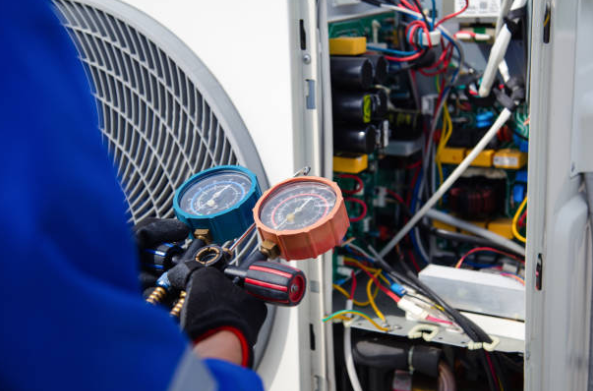
Preventive care is the best way to avoid loud noises and protect your HVAC system over time. Simple steps make a big difference.
Schedule Regular Heating and Cooling Tune Ups
Seasonal tune ups allow technicians to catch loose parts, worn components and airflow restrictions early. This reduces noise and improves overall system performance.
Replace Filters Consistently
A clean filter ensures steady airflow and prevents the blower motor from straining. Regular filter changes help maintain smooth and quiet operation.
Keep Ductwork Clean and Secure
Well supported and clean ducts reduce popping, banging and vibration. During maintenance, technicians can secure loose duct sections and identify areas needing reinforcement.
Final Thoughts
A loud noise during HVAC start up or shutdown can be annoying, concerning and disruptive. Fortunately, most causes are easy to identify and resolve once you know what to look for.
Whether the noise comes from duct movement, airflow restriction, ignition delay or mechanical strain, the key is understanding when the sound is harmless and when it indicates a real problem.
If the noise grows louder, occurs frequently or pairs with reduced comfort, it is time to reach out to Fayetteville HVAC. Our team can diagnose the issue, restore quiet operation and help your heating and cooling system run reliably throughout the year.
Frequently Asked Questions
Why does my HVAC make a loud bang when it turns on?
A loud bang often comes from ductwork expanding rapidly as warm air flows through it. It can also be caused by delayed ignition in a furnace. If the noise becomes frequent or louder, a technician should inspect the system to ensure safe operation.
Why does my HVAC rattle when starting or stopping?
Rattling usually indicates loose panels, screws or internal components vibrating when the blower or compressor activates. It may also come from airflow strain caused by a dirty filter. Tightening panels and improving airflow often reduces the sound.
Is it normal for a heat pump to make noise when changing modes?
Some whooshing or hissing is normal as refrigerant pressure shifts during mode changes. However, very loud or repeated noise may indicate low refrigerant, a reversing valve issue or blocked airflow. A technician can test the system for proper pressure balance.
Why does my furnace make a popping sound when it starts?
Popping sounds often come from ducts expanding as they heat. If the popping is sharp or forceful, it may also relate to ignition timing. Dirty burners or weak ignitors can cause delayed ignition, which requires professional cleaning.
Should I call a technician if the noise is getting worse?
Yes. Increasing noise usually means parts are wearing out or airflow is restricted. Delaying service can lead to blower failure, duct damage or ignition problems. A technician can diagnose the cause and prevent more serious issues.