
Why Does My Heating System Sound Like Running Water? Causes & Fixes
That flowing or trickling sound often catches homeowners off guard. It does not match what people expect a heating system to sound like, especially in homes without visible plumbing near the unit. Sometimes the noise appears only at certain moments.
Other times it seems to follow the system wherever it runs. The good news is that this sound usually has a clear explanation. The challenge is knowing which explanations are normal and which ones point to an issue that should not be left alone.
In this guide, we will explain why your heating system may sound like running water and what that noise usually means for your home.
Key Takeaways
- A running water sound often comes from condensation, air pockets, or normal system operation.
- The cause depends heavily on the type of heating system in your home.
- Occasional sounds are usually normal, but constant or worsening noise is not.
- Changes in comfort or performance often point to a mechanical issue.
- Early evaluation helps prevent efficiency loss and avoidable repairs.
Why Does My Heating System Sound Like Running Water?
A heating system can sound like running water due to air trapped in the system, condensation draining, pressure changes, or normal fluid movement depending on the type of system you have.
The key factor is consistency. Occasional water sounds during startup or shutdown are often normal. Constant or worsening noises usually indicate a problem that needs attention. Identifying the system type and timing of the sound makes it easier to pinpoint the cause.
What Kind of Heating System Do You Have?
The reason your heating system sounds like running water depends heavily on the type of system installed in your home. Not all heating systems operate the same way.
Forced air furnaces use air and ductwork to distribute heat. These systems do not normally move water through pipes, but they do produce condensation and airflow that can create water-like sounds.
Heat pumps operate similarly to furnaces but rely on refrigerant flow and condensation management, which can also create drainage sounds.
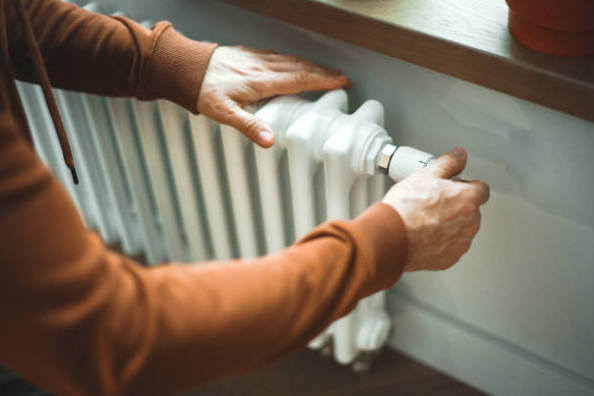
Boilers and radiant heating systems actually move water through pipes. In these systems, water sounds may be expected, but changes in sound often signal air or circulation issues.
Knowing which system you have helps determine whether the sound is expected or a warning sign.
5 Common Reasons Your Heating System Sounds Like Running Water
Several common issues can create water-like sounds in heating systems. Most are related to air movement, condensation, or fluid circulation.
1. Air Trapped in the System
Air pockets are a frequent cause of gurgling or flowing sounds. In forced air systems, air trapped in ductwork can create rushing or trickling noises as the system starts and stops. In boiler systems, air trapped in pipes causes gurgling as water moves around it.
Air in the system disrupts normal operation and can reduce heating efficiency. Over time, trapped air may lead to uneven heating or increased strain on components.
2. Condensation Draining Normally
High efficiency furnaces and heat pumps produce condensation as part of normal operation. This moisture drains through internal tubing and into a drain line.
When condensation flows through pipes, it can sound like running water, especially in quiet homes. Occasional drainage sounds during heating cycles are usually normal. However, loud or constant drainage noises may indicate a partially blocked drain or improper slope.
3. Ductwork Expansion or Contraction
As warm air moves through metal ductwork, the ducts expand and contract with temperature changes. This movement can create ticking, popping, or flowing sounds that resemble water movement.
These noises often occur when the system first turns on or shuts off. While usually harmless, excessive noise may indicate ductwork that was not properly sized or secured.
4. Water Moving Through Boiler Pipes
In homes with boilers or radiant heating, water circulates through pipes to deliver heat. A gentle flowing sound can be normal during operation.
Problems arise when the sound becomes loud, constant, or uneven. This often points to air trapped in the pipes, improper water pressure, or circulation issues that affect comfort and efficiency.
5. Partial Blockages or Sediment Buildup
Sediment buildup or partial blockages can change how water or air moves through the system. In condensate lines, buildup slows drainage and creates louder water sounds.
In boiler systems, sediment restricts water flow and creates turbulence inside pipes. Over time, this reduces heat transfer and places extra strain on pumps and valves.
When the Sound Happens Matters
Timing provides valuable clues about the cause of running water sounds.
Sound During Startup
If the sound appears when the system first turns on, it is often related to condensation beginning to drain or ducts expanding as warm air starts flowing.
Short, brief sounds during startup are usually normal.
Sound While Heating
Continuous sounds during active heating may indicate air trapped in the system, water circulating through pipes, or restricted drainage.
This type of noise should be monitored closely, especially if it grows louder or affects heating performance.
Sound After the System Shuts Off
Water sounds after shutdown are commonly linked to condensation draining out of the system. This can be normal in high efficiency equipment.
However, prolonged or repeated sounds after shutdown may signal a drainage issue that needs attention.
Is the Running Water Sound a Problem?
Not all running water sounds indicate a problem. Many modern heating systems produce some noise during normal operation.
A sound becomes a concern when it is new, constant, or increasing in volume. Changes in performance, such as uneven heating or reduced efficiency, also signal that the noise may be tied to a real issue.
Ignoring unusual sounds can allow minor problems to develop into larger repairs. Paying attention early helps protect both comfort and system lifespan.
What You Can Safely Check Before Calling for Service
There are a few homeowner-safe checks you can perform to gather useful information.
- Listen near different areas.
Determine whether the sound is coming from vents, ductwork, or the heating unit itself. This helps narrow the cause. - Check the air filter.
A dirty filter restricts airflow and can contribute to unusual sounds. Replace it if it appears clogged. - Look for visible condensation or leaks.
Inspect around the unit and drain lines for moisture or pooling water. - Note when the sound occurs.
Pay attention to whether it happens during startup, while heating, or after shutdown.
Avoid opening panels or adjusting internal components. These observations help a technician diagnose the issue faster.
When to Call a Professional for Heating System Repairs
If the running water sound is constant, worsening, or paired with heating issues, professional inspection is recommended. Air removal, drainage adjustments, and pressure corrections require proper tools and training.
You should also call for service if the sound is accompanied by leaks, reduced heat, or frequent system cycling. These signs indicate the system is not operating as intended.
If your heating system sounds like running water and you are unsure why, contact us at Fayetteville HVAC for an evaluation. Professional diagnosis ensures the system operates safely and efficiently while preventing avoidable damage.
Wrapping Up;
Heating systems can make water-like sounds for several reasons, ranging from normal condensation drainage to trapped air or circulation issues. Occasional sounds are often harmless, but persistent or changing noises should not be ignored.
Identifying when the sound occurs and how your system behaves helps determine whether service is needed. If you notice ongoing running water sounds or changes in heating performance, contact us to keep your system running quietly, safely, and efficiently.
FAQs
Is it normal for my heating system to sound like running water?
Yes, brief water-like sounds can be normal, especially in high efficiency systems that produce condensation or in homes with boiler based heating. The sound becomes a concern if it is constant, loud, or new.
Why do I hear the sound mostly at night or when the house is quiet?
Heating systems often sound louder when background noise is lower. Condensation draining or air moving through ducts may be more noticeable at night even if the system is operating normally.
Can air in the system cause water sounds?
Yes, trapped air can create gurgling or flowing noises. This is common in boiler systems and can also occur in forced air systems when airflow changes or pressure is uneven.
Should I turn off my heating system if I hear running water sounds?
You do not need to turn the system off unless the noise is paired with leaks, loss of heat, or repeated cycling. If the sound persists or worsens, professional inspection is recommended.
Can this noise increase my energy bills?
It can. Issues like trapped air, sediment buildup, or restricted drainage reduce efficiency and force the system to work harder, which may lead to higher energy use over time.