
Do You Need a Permit for AC Replacement in Fayetteville NC?
Your air conditioning system has failed on the hottest day of summer. You call a contractor for a replacement quote. The estimate arrives, and you notice a line item for a permit. You pause.
Is a permit really necessary? Can’t you just get a new unit installed quickly without all the paperwork and waiting?
Many Fayetteville homeowners ask this question, and the answer is straightforward: yes, you need a permit for AC replacement. But understanding why permits matter is even more important than knowing that they’re required.
In this guide, we will explain whether you need a permit for AC replacement in Fayetteville and why it matters for your home’s safety, value, and your protection as a homeowner.
Key Takeaways:
- AC system replacement in Fayetteville, NC requires a permit from the local building department, and licensed HVAC contractors handle the permit process as part of their service, not as an optional extra.
- Permits ensure your new AC system meets current building codes, electrical codes, and refrigerant handling standards, protecting both your home and your family from unsafe installations.
- Installing an AC system without a permit creates serious risks including failed home inspections, difficulty selling your home, voided insurance coverage, and potential code violation fines from the city.
- The permit process typically takes 5 to 10 business days and costs $75 to $200 depending on the scope of work and your local jurisdiction, but this investment protects your property value and safety.
- Hiring a licensed HVAC contractor who handles permits correctly is the only way to ensure your AC replacement is done right, meets all requirements, and comes with proper documentation for future reference.
Do You Need a Permit for AC Replacement in Fayetteville NC?
The answer is yes. Any AC system replacement in Fayetteville requires a permit from the Fayetteville Building Inspections Department or your specific county jurisdiction. This applies to residential replacements, commercial systems, and most retrofit installations.
The rule is straightforward: if you’re replacing an existing system with a new one, you need a permit. Minor repairs like fixing a leak or replacing a capacitor do not require permits. But the moment you install a new condensing unit or air handler, a permit is mandatory.
This is not a gray area or something left to contractor discretion. Fayetteville’s building code requires permits for all major HVAC work. Your contractor should automatically handle this as part of the installation process. If a contractor suggests you can skip the permit, that’s a red flag that you should find a different contractor.
Why Permits Are Required for AC Replacement
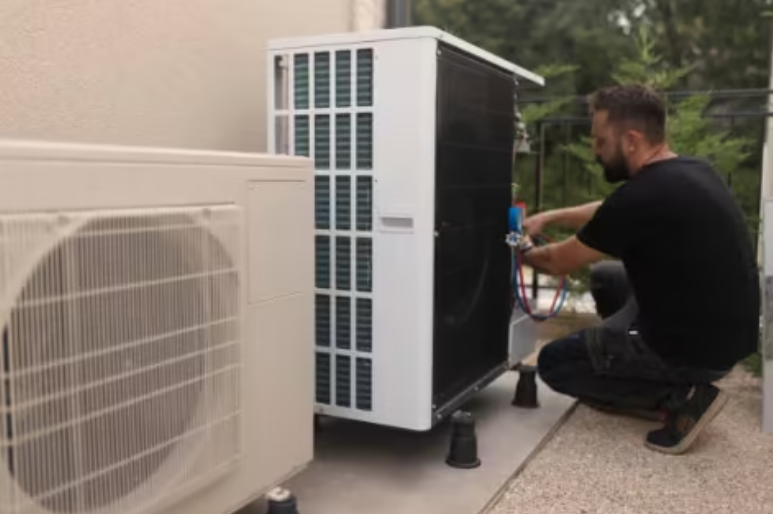
AC replacement is not just a swap of old equipment for new. It involves electrical work, refrigerant handling, and system sizing that must meet specific local standards. Permits exist to make sure every part of that process is done correctly and safely.
Here are some reasons permits are required for AC replacement:
Safety and Code Compliance
Modern AC systems operate under strict safety and performance standards. These standards exist to prevent electrical hazards, refrigerant leaks, improper venting, and other dangerous installation mistakes. A permit triggers an inspection that verifies your new system meets these standards.
Building codes specify correct refrigerant handling, electrical connections, outdoor unit placement, and indoor airflow requirements. An inspector checks that your new system complies with all of these before signing off. Without this inspection, you might have unsafe conditions in your home and not know it.
Proper Installation Standards
Not all contractors install AC systems to the same standard. Some cut corners: improper electrical connections, incorrect refrigerant charge, undersized drain lines, or weak outdoor unit supports. An inspection catches these issues before they become problems.
The inspection verifies that the outdoor unit is properly secured, the electrical work is done correctly, the refrigerant charge matches the manufacturer’s specifications, and all connections are sealed properly. A properly installed system runs efficiently and lasts longer. An improperly installed system fails early and costs you money in repairs and wasted energy.
Protecting Your Home Value
When you sell your home, buyers and their inspectors will look for permits on major work. A new AC system without a permit raises questions. Buyers may require a licensed inspector to evaluate the system at their own expense. This creates problems during negotiations. Some buyers walk away entirely rather than deal with unpermitted work.
Lenders and title companies also track permits. Selling a home with unpermitted AC work can delay closing or require expensive remediation to bring the system into compliance. The permit protects your ability to sell your home without complications.
Insurance and Liability Protection
Your homeowners insurance covers damage and liability related to your home. But insurance companies have conditions. If something goes wrong with an unpermitted AC installation, your insurer may refuse to cover it. A refrigerant leak that damages the system, an electrical fire, or injury caused by improper installation becomes your full financial responsibility if no permit was pulled.
Additionally, if an injury or property damage occurs and it’s traced to an unpermitted installation, you could face personal liability. The permit provides documentation that the work was done to code and properly inspected. This protects both you and your insurance coverage.
What Happens If You Replace an AC Without a Permit?
Below are some of the most common issues homeowners run into when an AC system is replaced without the proper permit:
Failed Inspections
When your home is inspected for any reason (selling, refinancing, or code enforcement), an unpermitted AC replacement will be discovered. The inspector documents it as a violation. You then have a choice: permit the work retroactively with a new inspection, or face non-compliance issues.
Fines or Penalties
Fayetteville’s building department can issue fines for unpermitted work. Fines vary but can range from $500 to several thousand dollars depending on the violation severity and how long the work went unpermitted. The longer an unpermitted system operates, the larger the potential fine.
Additionally, you may be required to have a licensed contractor re-inspect the work and pull permits retroactively. This costs money and creates complications that wouldn’t exist if the permit had been pulled initially.
Problems When Selling Your Home
Real estate transactions require disclosure of unpermitted work. Buyers will request proof of permits before closing. An unpermitted AC replacement must be remedied before most sales can proceed. This requires hiring a contractor to pull permits retroactively and have the system inspected. The process delays closing and adds unexpected costs to your sale.
Some buyers simply refuse to purchase homes with unpermitted major systems. You lose potential buyers and weaken your negotiating position.
Insurance Claim Issues
If something goes wrong with an unpermitted AC system, your homeowners insurance may deny the claim. An electrical fire caused by faulty wiring, a refrigerant leak that damages property, or injury caused by improper installation can all result in claim denials if the system was never permitted or inspected.
Who Pulls the Permit for AC Replacement
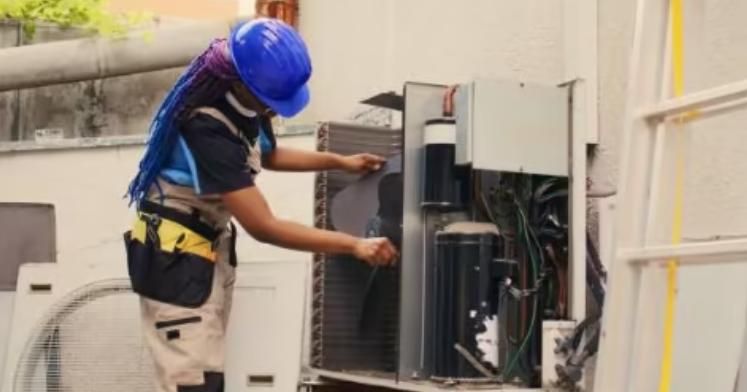
Licensed HVAC contractors pull permits as part of their service. You do not need to pull the permit yourself. In fact, most jurisdictions require that permits be pulled by a licensed contractor, not by homeowners.
When you hire a licensed contractor like A/C Man Heating and Cooling, the permit process is handled for you. The contractor submits the permit application, pays the permit fee, coordinates with the building department, and arranges the inspection. Your responsibility is simply to hire a licensed, reputable contractor. The contractor handles the rest.
If a contractor suggests you pull the permit yourself to save time or money, that’s another red flag. Licensed contractors have established relationships with building departments and know exactly what paperwork is required. They also carry insurance that covers the permit and inspection process. Using a licensed contractor protects you.
What the Permit Process Looks Like in Fayetteville
The process is straightforward and doesn’t require complicated paperwork from you.
First, your contractor submits a permit application to the Fayetteville Building Inspections Department. The application includes system specifications, installation details, and contractor licensing information. Permit fees are typically $75 to $200 depending on the system size and scope.
Second, the building department reviews the application and approves it. This usually takes 3 to 7 business days.
Third, your contractor schedules the installation. The system is installed according to manufacturer specifications and local codes.
Fourth, the building department inspector visits your home to verify the installation. The inspection typically happens within a few days of installation completion. The inspector checks the outdoor unit placement, electrical connections, refrigerant charge, and all safety systems.
Fifth, the inspector issues an approval or a list of items to correct. If approved, the permit is marked complete. If corrections are needed, your contractor makes the fixes and the inspector returns for a final check.
The entire process typically takes 2 to 3 weeks from initial application to final approval. During the hottest or coldest times of year, inspectors are busy and timelines may extend to 4 to 5 weeks. Planning ahead prevents emergency situations.
How to Make Sure Your AC Replacement Is Done Right
The most important step is hiring a licensed HVAC contractor. Licensing means the contractor has passed technical exams, maintains insurance, and is accountable to the state and local authorities. Licensed contractors understand permit requirements and pull them automatically.
Ask any contractor you contact whether they pull permits. If the answer is anything other than “yes, it’s included in the service,” keep looking. Also verify that the contractor carries liability insurance and workers’ compensation insurance. This protects you if something goes wrong during installation.
A/C Man Heating and Cooling is licensed, insured, and experienced with Fayetteville’s permit requirements. They pull permits for every AC replacement, handle all the paperwork, and coordinate inspections. The permit process is smooth and professional because it’s part of their standard process, not an afterthought.
Getting the permit right at the beginning prevents headaches later. A properly permitted and inspected AC system gives you peace of mind, protects your insurance coverage, and ensures your home is safe and properly documented for the future.
Protecting Your Home Through Proper AC Replacement
A permit is not an obstacle to getting your AC system replaced. It’s protection for your home, your family, and your investment. The permit process ensures your new system is installed correctly, meets all safety codes, and performs efficiently.
Fayetteville’s building code requires permits because AC systems directly impact home safety. Electrical hazards, refrigerant leaks, and improper installation can cause fires, health risks, and equipment failure. An inspection catches these issues before they become dangerous.
When you need an AC replacement in Fayetteville, hire a licensed contractor who handles permits as part of their standard service. Ask questions about the permit process. Verify the contractor is insured and licensed. Make sure you understand the timeline and cost. A contractor who is transparent about permits and inspections is a contractor you can trust.
A/C Man Heating and Cooling has been serving Fayetteville homeowners for years with properly permitted, inspected, and installed AC systems. We handle permits correctly because it’s the right thing to do. Contact us for a quote and an honest conversation about the AC replacement process.
FAQ
Do all AC replacements require permits in North Carolina?
Yes, all AC system replacements require permits in North Carolina. Repairs like capacitor replacement don’t need permits, but any new installation requires one. Permits ensure systems meet electrical and building codes. This requirement applies to all residential and commercial installations statewide.
How much does an AC permit cost in Fayetteville?
AC permit costs typically range from $75 to $200 depending on system size and installation scope. The building department’s fee schedule determines exact costs. Licensed contractors pass the permit fee to homeowners. This small investment protects your home’s value and insurance coverage.
How long does AC permit approval take in Fayetteville?
Permit approval typically takes 5 to 10 business days in Fayetteville. During peak seasons, approval may take 3 weeks. Once approved, installation proceeds. Final inspection happens within days of completion. Planning ahead prevents rush situations and scheduling conflicts.
Can a homeowner pull an AC permit themselves?
Most jurisdictions require licensed contractors to pull permits, not homeowners. The contractor’s license is required on the permit. Licensed contractors have insurance and accountability to the city. Using a licensed contractor ensures permits are correct and complete.
What inspections are required for AC replacement in Fayetteville?
The building inspector verifies system placement, electrical connections, refrigerant charge accuracy, and safety systems. Inspection ensures your new system meets code. If corrections are needed, the contractor makes fixes. Final approval completes the permit.
