
Do Heat Pumps Really Work in Cold Weather? What NC Homeowners Should Know
If you’ve been researching heating options, you’ve probably heard someone say that heat pumps don’t work when the weather gets cold. Maybe a neighbor says theirs struggles in winter, or you’ve been told you need a traditional furnace to stay comfortable. It’s a common belief, but it’s not the full story.
The reality is that modern heat pumps have come a long way over the years. They are designed to deliver reliable, energy-efficient heating in cold weather, and North Carolina’s relatively mild winters make Fayetteville an ideal climate for this type of system.
Understanding how heat pumps work in cold weather can help you make a smarter decision for your home’s comfort, energy efficiency, and heating costs.
In this guide, we’ll explain how heat pumps perform during North Carolina winters, clear up common misconceptions, and help you decide whether a heat pump is the right choice for your home.
Key Takeaways
- Modern heat pumps work well below freezing, easily handling North Carolina’s mild winter temperatures.
- Fayetteville winters rarely drop below 22°F, staying well inside any heat pump’s comfort zone.
- Heat pumps heat roughly two to three times more efficiently than gas or electric furnaces.
- The cold-air myth comes from outdated technology and truly frigid climates, not North Carolina.
- Proper sizing and installation matter more than the outdoor temperature for reliable winter comfort.
Do Heat Pumps Really Work in Cold Weather? The Short Answer
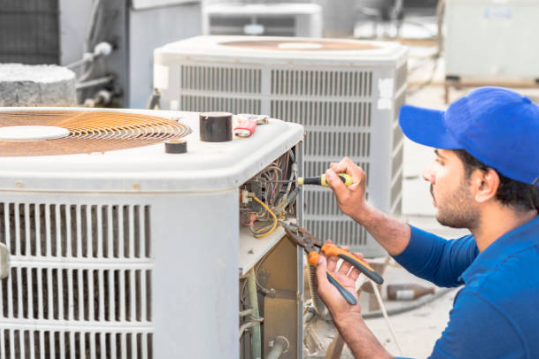
Yes, heat pumps work in cold weather, and today’s models perform far better in the cold than the units your parents owned. A heat pump doesn’t create heat by burning fuel. It moves existing heat from the outside air into your home, and there’s usable heat in the air even when it’s well below freezing.
Modern cold-climate heat pumps are built to keep heating down to around 5°F, and many keep running to well below zero. According to New York State’s Clean Heat program, heat pumps designed for cold climates can meet up to 100% of a home’s heating needs even through New York winters. If they hold up in Buffalo, they will not break a sweat in Fayetteville.
That’s the part worth sitting with. The question for a North Carolina homeowner isn’t whether a heat pump can survive winter here. It’s how much you’ll save by using one.
Where the “Heat Pumps Don’t Work in the Cold” Myth Came From
The myth is real, but it’s about 30 years out of date. Older heat pumps genuinely did lose most of their heating punch as temperatures dropped toward freezing, so people learned to distrust them below the 30°F mark. That reputation stuck around long after the technology moved on.
What changed is the engineering. Newer systems use variable-speed compressors and smarter refrigerant designs that hold onto capacity in the cold. As Consumer Reports explains, cold-climate models can open a shortcut in their refrigerant loop at low temperatures to boost cold-weather heating output. The result is a machine that keeps delivering warm air at temperatures that would have flattened a heat pump from the 1990s.
The market has caught up to reality. Heat pumps outsold gas furnaces in the U.S. by 32% in 2024, reaching 4.1 million units, according to analysis reported by Canary Media. Millions of homeowners aren’t buying equipment that quits when it gets cold.
Why North Carolina Is Almost Ideal Heat Pump Territory
If you were going to design a climate for heat pumps, it would look a lot like ours. Heat pumps are at their most efficient in mild-to-moderate cold, which is exactly what a Fayetteville winter delivers.
Look at the actual numbers. Daily lows in January average around 36°F and rarely fall below 22°F, based on local January climate data. Our winters are short and mild with the occasional cold snap. That temperature range sits comfortably inside a heat pump’s efficiency sweet spot, so the system spends most of the season running cheaply and effectively.
Efficiency is where the savings show up. A heat pump moves heat rather than generating it, which makes it two to three times more efficient than a gas or electric furnace. EnergySage reports that heat pumps are about twice as efficient at heating homes in cold weather as fossil fuel systems. For homes replacing old electric strip heat, that gap often translates into a noticeably smaller winter power bill.
One more bonus specific to our climate: the same system that heats your home in January cools it in July. A heat pump is your air conditioner in summer and your heater in winter, running on one set of equipment.
What About the Coldest Days? Backup Heat and the Balance Point
On the rare frigid morning, your heat pump gets help from a backup heat source, and that’s by design rather than a sign of failure. Every properly installed heat pump has a strategy for the coldest hours of the year.
As outdoor temperatures fall, a heat pump gradually produces less heat while your home needs more. The outdoor temperature where those two lines cross is called the balance point. Below it, the system calls on supplemental heat, usually electric resistance strips built into the air handler, to make up the difference and keep you comfortable.
In our climate, that backup runs only occasionally. The U.S. Department of Energy notes that proper setup minimizes defrost cycles and supplemental heat use, which keeps operating costs down. A system sized and configured for a Fayetteville winter, it relies on the efficient heat pump the vast majority of the time and taps the backup only during brief cold snaps.
Why Your Heat Pump Blows “Cool” Air and Steams in Winter
Two normal behaviors fuel most of the complaints, and neither one means your heat pump is broken. Knowing what they are saves a lot of unnecessary panic and service calls.
First, the supply air feels cooler than a furnace. A gas furnace pushes out air around 120°F to 130°F, hot to the touch. A heat pump delivers a gentler stream, often in the 90s, for a longer stretch of time. It still warms your home to the thermostat setting, just with steady, even heat instead of short, scorching blasts. If you hold your hand to the vent expecting furnace heat, it can feel underwhelming even though the room is warming perfectly.
Second, you might see steam or frost on the outdoor unit. That’s the defrost cycle. The unit periodically melts frost off its outdoor coil, and during those few minutes it may pause heating or blow slightly cool indoors while steam rises outside. It looks dramatic. It’s completely routine and lasts only a few minutes.
Getting Reliable Winter Performance Comes Down to Sizing and Installation
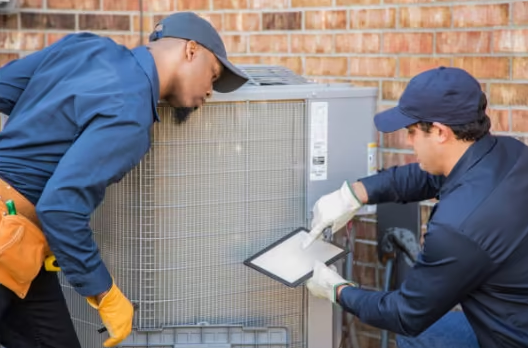
The single biggest factor in how well a heat pump handles winter isn’t the brand or the outdoor temperature. It’s whether the system was sized and installed correctly for your specific home. A great heat pump installed wrong will disappoint, and a properly matched one will quietly do its job for years.
That starts with a real load calculation instead of a guess based on square footage. Proper sizing sets an appropriate balance point, dials in the backup heat, and makes sure the equipment matches your home’s actual heat loss. Get it right and the system runs efficiently all season. Get it wrong and you’ll fight short cycling, cold rooms, and backup heat that runs more than it should.
This is where working with an experienced local team pays off. Professional heat pump services, from sizing and installation to repair and seasonal maintenance, keep the system charged, calibrated, and running at the efficiency you paid for. Refrigerant charge and airflow alone can make or break cold-weather output, and both are installation details, not luck.
Is a Heat Pump the Right Choice for Your NC Home?
For most homes in Fayetteville and the surrounding communities, a modern heat pump is one of the most efficient and comfortable ways to stay warm all winter and cool all summer. Our mild winters play directly to the technology’s strengths, the efficiency gains show up on your power bill, and the coldest days are handled by backup heat that runs only when it’s truly needed. The old “heat pumps don’t work in the cold” line simply doesn’t apply here.
The results still come down to who sizes and installs the system. At A/C Man Heating and Air, we’ve served Fayetteville for nearly two decades as a veteran-owned, licensed and insured team with 800+ verified 5-star reviews.
We run proper Manual J load calculations, give honest recommendations without pushing oversized equipment, and stand behind the comfort and efficiency of every system we install. If you’re considering a heat pump, wondering whether yours is performing the way it should, or want a straight answer about your options, schedule a heat pump evaluation or call us at (910) 797-4287.
FAQ
At what temperature do heat pumps stop working?
Modern cold-climate heat pumps keep producing heat well below 0°F, and many are rated to operate down to around minus 5°F or lower. They lose some capacity as it gets colder, which is why backup heat exists, but they don’t simply shut off. In North Carolina, where winter lows rarely dip below 22°F, you’re operating in the range where a heat pump performs efficiently.
Do heat pumps work well in North Carolina winters?
Very well. North Carolina’s short, mild winters keep temperatures in a heat pump’s most efficient range for most of the season. Fayetteville’s average January lows sit around 36°F, so a properly sized heat pump heats the home efficiently and only leans on backup heat during occasional cold snaps.
Why does my heat pump blow cold air in the winter?
Usually it’s not actually cold, just cooler than a furnace. Heat pumps deliver warm air in the 90s rather than the 120s, so it feels less hot even though it’s heating your home. If the air truly runs cold, the system may be in a brief defrost cycle, or it could signal a low refrigerant charge or other issue worth having checked.
Is a heat pump cheaper to run than a furnace?
In most North Carolina homes, yes. Because a heat pump moves heat instead of burning fuel, it runs two to three times more efficiently than a gas or electric furnace. Homeowners replacing older electric resistance heat often see the biggest savings.
Do I still need backup heat with a heat pump in NC?
Most systems include electric backup heat for the coldest hours, and it’s a smart safeguard. The difference in our climate is how rarely it runs. A well-sized heat pump handles the vast majority of the winter on its own and uses the backup only during brief cold spells.
