
Winter HVAC Maintenance Tips for Fayetteville Homes
The first truly cold night of the season in Fayetteville tends to arrive fast. One week you are still running the air conditioner in the afternoons, and the next you are reaching for a blanket. That is usually when homeowners find out their furnace or heat pump has a problem, right when they need it the most.
A few simple HVAC maintenance tips for winter can keep that scenario from happening to you. Most of what your system needs takes less time than you would think, and a handful of items are worth handing off to a professional before the cold really settles in.
Key Takeaways
- Replace or clean your HVAC filter monthly during the heating season to protect airflow and air quality.
- Schedule a professional furnace or heat pump tune up before Fayetteville’s first hard freeze.
- Test your carbon monoxide and smoke detectors now, since heating equipment fires peak from December through February.
- Seal drafts and insulate exposed pipes to prevent frozen pipe damage during cold snaps.
- Clear leaves and debris from your outdoor heat pump unit so airflow and defrost cycles work the way they should.
Why Winter HVAC Maintenance Matters in Fayetteville
Fayetteville winters do not usually feel brutal. Most days stay mild, and you might only need real heat for part of the year. That mild pattern is exactly why a lot of homeowners here put off HVAC care until something goes wrong.
Here is the thing though. Most homes in this area run on heat pumps rather than traditional furnaces, since heat pumps handle Fayetteville’s hot summers and mild winters well. A heat pump that has not been checked in a year can still struggle when a real cold snap rolls through, even if that only happens a handful of times each winter.
If you just moved to Fayetteville, maybe from somewhere with a much longer winter, or somewhere that barely has one at all, it helps to know the area does get genuinely cold nights, just not that many of them. Skipping maintenance raises your odds of a breakdown right when you need heat the most, and it can mean a higher bill or a safety concern along the way.
A maintenance plan through A/C Man Heating and Air Conditioning takes care of the yearly professional side of this for you, but there is plenty you can handle on your own first.
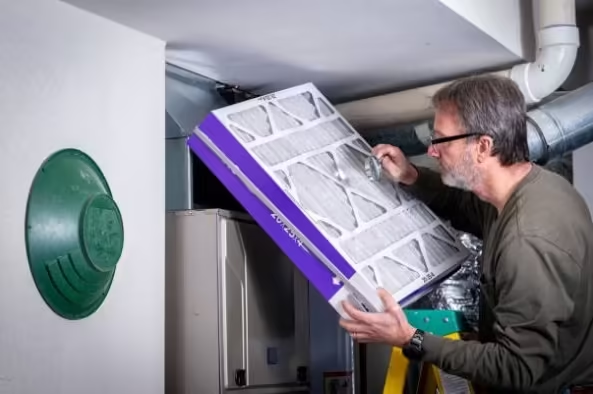
Replace or Clean Your Air Filter
This is probably the easiest task on this whole list, and it makes one of the biggest differences. A dirty filter blocks airflow, which forces your system to work harder just to keep your home at the same temperature. That extra strain can raise your energy bill and wear your equipment down faster than it should.
Check your filter once a month during the colder months. Depending on the type you use and whether you have pets, you will likely need to replace it somewhere between every one and three months. If you cannot remember the last time you looked at it, that is usually a sign it is time.
A clean filter also supports the air you and your family breathe indoors, not just your system’s performance. If indoor air quality is a concern in your home, especially with the windows closed through winter, A/C Man’s indoor air quality services go beyond what a filter alone can handle.
Set a Smart Winter Thermostat Schedule
Your thermostat setting plays a bigger role in your winter comfort and your bill than most people realize. A commonly cited starting point is 68 degrees while you are home and awake, with a lower setting while you sleep or while no one is home.
If you run a heat pump, there is a wrinkle worth knowing before you touch that dial, since big jumps in temperature can trigger backup heat that costs more to run. We cover this in detail, along with sleep and away settings, in our guide to the best thermostat setting for winter. If your current thermostat is not up to the job, A/C Man’s thermostat services can help.
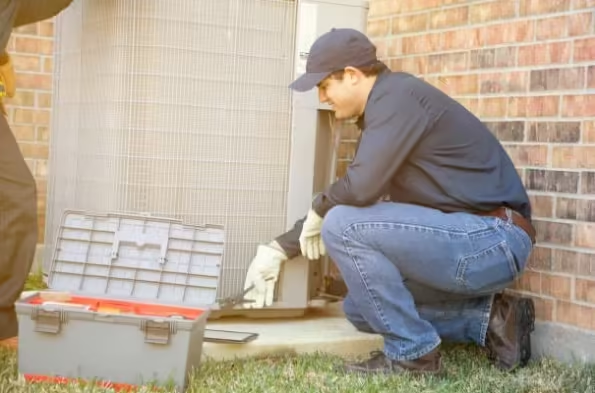
Clear and Protect Your Outdoor Heat Pump Unit
If your home runs on a heat pump, which describes most homes in this area, your outdoor unit needs a little attention before winter too. Walk outside and check for leaves, pine straw, mulch, or anything else piled up against it. Give it open space on all sides so air can move through it properly.
Resist the urge to fully cover or wrap the unit for winter. It might seem like it protects the equipment, but trapping moisture against it can cause more harm than the weather would on its own, and it can interfere with how the unit actually runs.
A light layer of frost or a bit of steam coming off the unit during a defrost cycle is completely normal. What is not normal is ice that builds up and does not clear on its own, or a system that runs constantly without actually warming your home. That is worth a call to a technician rather than something to wait out. A/C Man’s heat pump services can take a look if something seems off.
Seal Drafts and Protect Exposed Pipes
Walk through your home and feel around your doors and windows for drafts. Weatherstripping is a cheap fix that keeps the warm air you are paying for inside your home instead of leaking out.
While you are at it, take a look at any exposed pipes in your garage, attic, or crawlspace. Fayetteville does not see hard freezes often, but when one does show up, unprotected pipes can crack.
Crawlspaces deserve extra attention here, since a lot of homes in this area have them, and moisture problems tend to get worse in cold, damp months. If yours feels consistently damp or musty, A/C Man’s crawlspace encapsulation services might be worth looking into alongside your regular HVAC care.
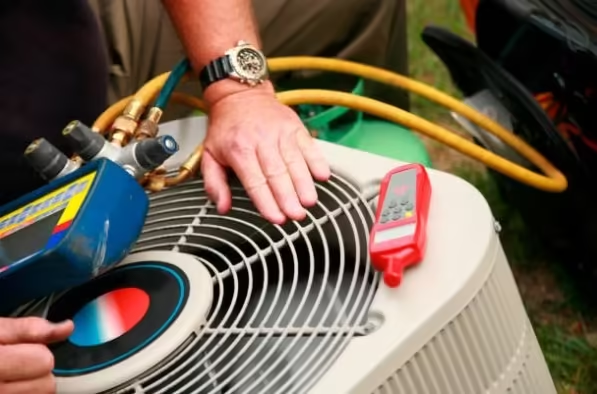
Schedule a Professional Tune Up Before the First Freeze
Booking your tune up early in the season, rather than waiting for the first cold snap, means your technician has time to actually look at your system before everyone else calls in at once. A typical tune up includes checking a furnace’s heat exchanger and burners on gas systems, testing electrical connections, and checking refrigerant levels on a heat pump.
Catching a small issue now, like a worn part or a minor refrigerant leak, usually costs a lot less than waiting for it to cause a full breakdown. A/C Man’s maintenance plans build this visit into your year along with priority scheduling if something does come up.
Test Your Carbon Monoxide and Smoke Detectors
While you are going through your home, test your detectors. Replace batteries if needed, and make sure you have one on every level of your home, including outside sleeping areas.
This matters more than it might seem. Heating related fires climb sharply once winter sets in, with fire departments responding to an estimated average of 37,365 home heating equipment fires each year between 2020 and 2024 according to the National Fire Protection Association, nearly half of them between December and February.
A working detector is one of the simplest ways to protect your family. If you ever notice a strange smell coming from your furnace, we have put together a separate guide on what different furnace smells mean and when to act on them.
When to Call a Professional vs What You Can Handle Yourself
A lot of this list is safe to do on your own. Checking and replacing a filter, testing your detectors, and clearing debris away from your outdoor unit all fall into that category.
Anything involving gas lines, electrical components, refrigerant, or the inside of your furnace or heat pump should go to a licensed technician. These are not areas worth guessing on, and a trained eye can catch problems you would not notice until they have already caused damage.
Getting Your System Ready Before the Cold Sets In
None of these HVAC maintenance tips for winter require a whole weekend. Most take twenty minutes or less, and the one item that genuinely needs a professional, your seasonal tune up, is worth scheduling before the first cold snap rather than after.
If you would rather not keep track of all this yourself, A/C Man’s maintenance plans handle the seasonal visits and give you priority scheduling if anything comes up. Call us at (910) 841 2106 or reach out online to see what is included.
Frequently Asked Questions
How often should I replace my HVAC filter in winter?
Check it monthly once the heat is running regularly, and plan to replace it roughly every one to three months depending on the filter type and whether you have pets. A dirty filter restricts airflow and can shorten how long your system lasts.
What’s the best thermostat setting for winter?
A common starting point is 68 degrees while you are home and awake, with a lower setting overnight or while you are away. If you have a heat pump, make smaller adjustments rather than big swings to avoid triggering costly backup heat.
Can I run my heat pump when it’s freezing outside?
Yes. Heat pumps are built to work well below freezing, and some frost or steam during a defrost cycle is normal. If you see ice that will not clear, or the system runs nonstop without warming your home, call a technician.
Is it normal to smell something burning when I first turn on my heat?
A faint dusty smell the first time you run your system each season is usually normal and fades within about an hour. A gas, plastic, or electrical smell is not, and it is worth shutting the system off and calling for help.
How much does a winter HVAC tune up cost in Fayetteville?
Cost depends on your system and what the visit includes. A/C Man’s maintenance plans bundle seasonal tune ups with priority scheduling, so reach out and we can walk you through current plan options.
