
Air Conditioner Makes Whooshing Noise: What It Means & How to Fix
Air conditioners are not silent machines. You expect to hear a gentle hum when the system turns on and the soft rush of air moving through the vents. But sometimes homeowners notice a different sound. Instead of the normal airflow, the system produces a loud whooshing noise that seems stronger than usual.
A whooshing sound can come from several parts of your HVAC system. Sometimes it is simply the sound of air moving quickly through the ductwork. In other cases it may signal an airflow issue, a duct problem, or a component that needs attention.
The key is noticing when the sound changes. If the noise suddenly becomes louder, starts coming from a new location, or appears along with reduced cooling, it is worth investigating.
Read on to learn what causes an air conditioner to make a whooshing noise, how to tell if the sound is normal, and when it may be time to have your system inspected.
Key Takeaways
- A whooshing sound often comes from fast moving air traveling through the duct system.
- Restricted airflow, duct leaks, or loose vents can make the sound louder than usual.
- Dirty filters and blocked vents can force air through smaller openings, creating noticeable noise.
- Sudden changes in sound can indicate airflow imbalance or duct damage.
- Professional inspection can locate the source of the noise and restore quiet system operation.
What a Whooshing Sound From Your AC Usually Means
A whooshing sound typically happens when air moves quickly through your duct system. Air conditioners rely on a blower fan to push cooled air through ductwork and into different rooms in the home.
When airflow is balanced and the ducts are sealed properly, this movement is usually quiet. You might hear a light rush of air when the system starts, but it fades into the background.
If something disrupts airflow, the air may travel through narrower spaces or escape through small openings in the duct system. This can produce a noticeable whooshing sound.
The location of the noise often provides clues. Sometimes the sound comes from the vents themselves, while other times it appears to come from inside the walls or ceiling where the ductwork runs.
Air Moving Too Quickly Through the Vents
One common cause of a whooshing sound is air moving too quickly through the vents.
Your HVAC system is designed to move a specific amount of air through the duct system. If airflow becomes restricted somewhere in the system, pressure builds up behind the restriction.
When the air finally passes through an opening such as a vent or grille, it may rush out quickly. This sudden movement creates a louder airflow sound.
In many homes, this happens when several vents are closed or blocked by furniture. The air has fewer pathways to travel through, so it moves faster through the remaining openings.
Keeping vents open and unobstructed allows air to move evenly throughout the home.
Dirty Air Filters and Airflow Restrictions
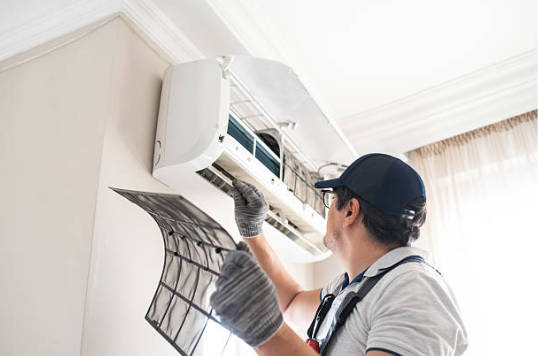
Air filters protect your HVAC system by trapping dust and debris before air enters the equipment. Over time these filters collect particles and gradually become clogged.
A clogged filter restricts airflow into the system. The blower fan must work harder to pull air through the filter and push it into the duct system.
When airflow becomes restricted, pressure builds inside the system. That pressure can cause air to rush through the vents more forcefully, creating a noticeable whooshing noise.
Replacing air filters regularly helps maintain proper airflow and keeps the system operating quietly.
Duct Leaks Inside Walls or Attics
Ductwork carries conditioned air from the HVAC unit to different rooms in the house. These ducts run through ceilings, walls, and sometimes attics or crawl spaces.
If a duct connection becomes loose or develops a gap, air can escape through the opening. When pressurized air pushes through a small leak, it often produces a whooshing or rushing sound.
Because the ducts are hidden behind walls or ceilings, the sound may seem like it is coming from inside the structure itself.
Duct leaks can also reduce cooling efficiency because some of the conditioned air never reaches the intended rooms.
Professional inspection can locate and seal duct leaks so the system runs more efficiently and quietly.
Loose or Damaged Vent Covers
Sometimes the sound is not coming from the ductwork at all but from the vent covers inside your rooms.
Vent covers direct airflow from the duct system into the living space. If these covers become loose, bent, or partially detached, they can vibrate when air passes through them.
The vibration may produce a whooshing or fluttering noise.
Tightening the vent cover screws or replacing damaged vents often eliminates the sound quickly.
Airflow Changes When the System Starts
In some cases the whooshing sound occurs only when the air conditioner first starts running.
When the system turns on, the blower fan begins pushing air through the ducts. During the first few moments, airflow pressure may increase rapidly as the system builds circulation.
This brief surge can create a temporary whooshing sound that fades as airflow stabilizes.
If the sound lasts only a few seconds and cooling performance remains normal, the system may simply be adjusting to the start of a new cooling cycle.
4 Signs the Whooshing Sound May Indicate a Problem
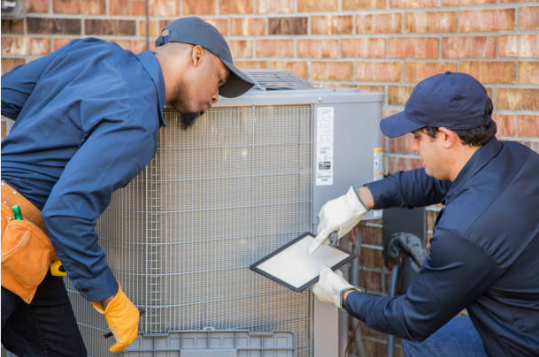
Not every whooshing noise means something is wrong, but certain situations should prompt closer attention.
1. The Sound Appears Suddenly
If your system has operated quietly for years and suddenly begins producing a loud rushing sound, it may indicate a change in airflow or duct condition.
2. The Noise Comes From Inside Walls or Ceilings
Whooshing sounds that appear to come from inside the structure may indicate duct leaks or loose duct connections.
3. Airflow Feels Uneven Between Rooms
If some rooms feel cooler than others while the system produces unusual sounds, airflow imbalance may be present.
4. Cooling Performance Drops
A whooshing noise combined with weak cooling could indicate airflow restrictions or duct issues.
Any of these signs may justify a closer inspection.
What Homeowners Can Check First
Before scheduling a service visit, homeowners can check a few simple things that often affect airflow noise.
Make sure air vents throughout the home remain open and unobstructed. Furniture, curtains, or rugs placed over vents can restrict airflow and increase noise.
Check the air filter and replace it if it appears dirty. A clean filter allows air to move smoothly through the system.
Listen carefully to determine where the sound is strongest. If the noise is concentrated at a specific vent, the vent cover may be loose or partially blocked. These basic checks often resolve minor airflow issues.
When to Call an HVAC Professional For AC Repair
If the whooshing noise continues after checking vents and filters, professional inspection may be necessary.
Technicians can measure airflow pressure, inspect duct connections, and identify hidden leaks in the duct system. They can also evaluate the blower motor and confirm that the system is circulating air correctly.
Addressing airflow problems early can improve system efficiency and prevent additional strain on HVAC components.
If your air conditioner continues making unusual noises or airflow problems persist, it may be time to have your system inspected by a professional. A/C Man Heating & Air provides expert AC repair and system diagnostics in Fayetteville and surrounding areas. Call our team at (910) 797-4287 today to schedule a professional inspection and restore quiet, reliable cooling in your home.
Keeping Your HVAC System Quiet and Efficient
Regular HVAC maintenance helps prevent airflow problems that lead to unusual noises.
During maintenance visits, technicians inspect duct connections, clean system components, and confirm that airflow moves evenly through the home. This helps reduce pressure imbalances that can create rushing sounds.
Maintaining clean air filters and keeping vents open throughout the home also contributes to quieter system operation.
A well maintained air conditioning system should provide steady cooling without noticeable mechanical noise.
Customer Story From Fayetteville
A homeowner near Ramsey Street in Fayetteville recently contacted A/C Man Heating and Air after noticing a loud rushing sound coming from the hallway vent every time the air conditioner turned on.
The homeowner explained that the sound had become much louder over the previous week and seemed to echo through the hallway ceiling. Although the system was still cooling the house, the noise was becoming difficult to ignore.
When our technician inspected the system, the cause quickly became clear. Several supply vents in the home had been closed to redirect airflow toward certain rooms. With fewer vents open, the system was forcing the same volume of air through a smaller number of openings.
This increased pressure inside the ducts and caused air to rush through the remaining vents at a much higher speed. The result was the loud whooshing sound the homeowner had been hearing.
After reopening the closed vents and checking the airflow balance, the technician restarted the system. Airflow returned to normal and the whooshing sound disappeared.
The homeowner was relieved to learn that the solution was simple and that the system itself had not been damaged.
Final Thoughts
A whooshing sound from your air conditioner often comes from fast moving air traveling through the duct system. In many cases the cause is something simple such as closed vents, restricted airflow, or loose vent covers.
However, persistent noises can sometimes indicate duct leaks or airflow imbalances that deserve professional attention.
If your air conditioner has started making unusual noises or airflow seems uneven throughout your home, the team at A/C Man Heating and Air can help identify the source of the problem.
Call A/C Man Heating and Air or schedule service with our technicians today to restore quiet, efficient cooling in your Fayetteville home.
FAQs
Why does my air conditioner make a whooshing sound when it turns on?
A whooshing sound when the AC turns on is often caused by air rushing through the duct system as the blower begins circulating air. This can be normal, but loud or sudden airflow sounds may indicate restricted vents or airflow imbalance.
Can a dirty air filter cause a whooshing noise?
Yes. A dirty air filter restricts airflow into the system. This forces the blower to push air harder through the ducts, which can create a louder rushing or whooshing sound coming from the vents.
Why does the whooshing noise come from inside my walls?
If the sound seems to come from inside walls or ceilings, it may indicate air escaping from a loose duct connection or small duct leak. Pressurized air moving through these gaps can create a noticeable rushing sound.
Should I be worried if my AC suddenly starts making a whooshing noise?
A sudden change in sound should be checked. While the cause may be simple, it can also signal airflow restrictions or duct problems. Inspecting vents and filters is a good first step, but persistent noise should be evaluated by an HVAC technician.
How do I stop my air conditioner from making a whooshing noise?
Start by replacing the air filter and making sure all vents are open and unobstructed. If the sound continues, an HVAC technician can inspect the ductwork, airflow pressure, and blower operation to locate the source of the noise.