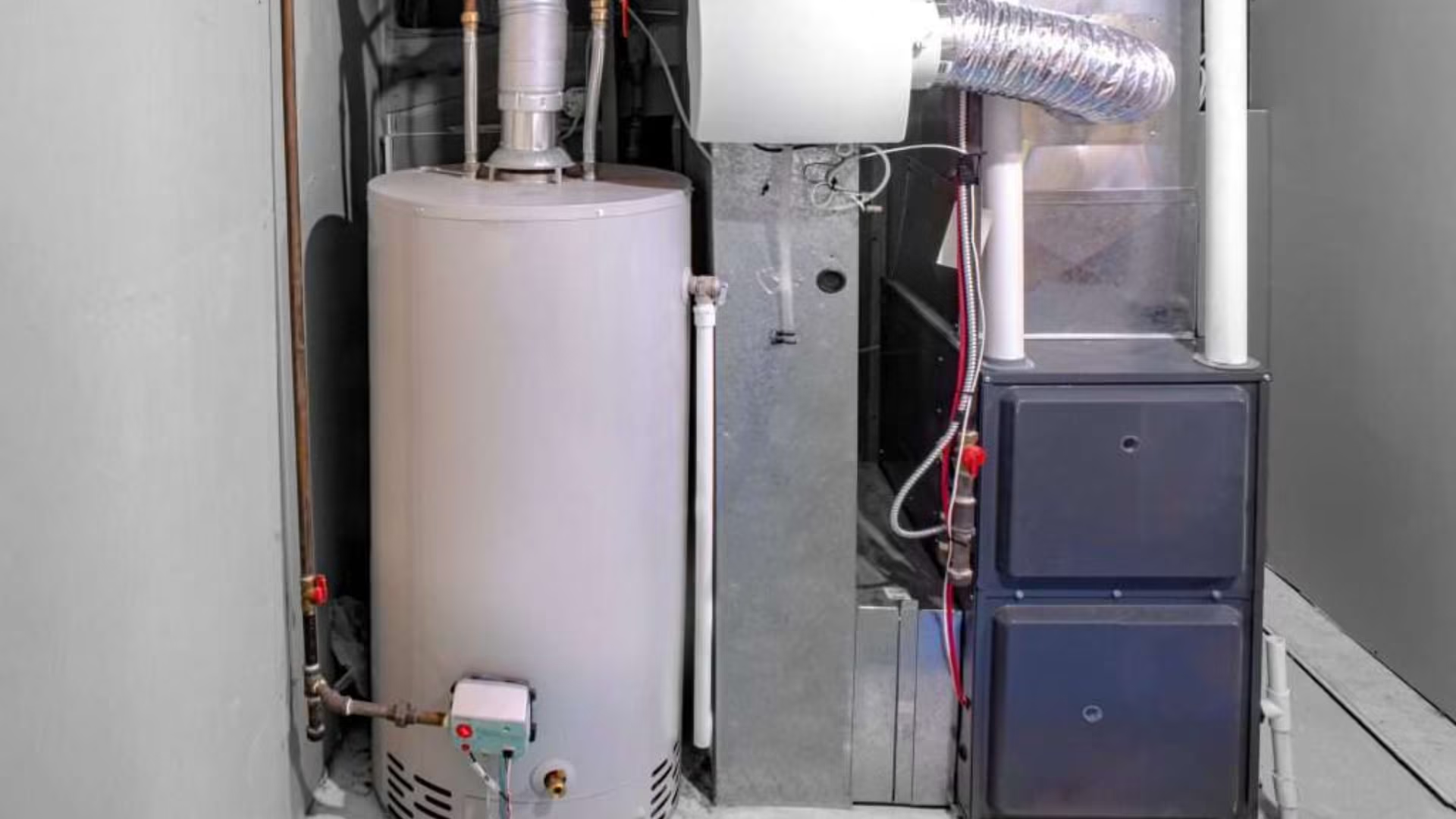
Benefits of Using a Humidifier in Your Home Daily

Have you ever noticed your skin feeling dry, your throat scratchy, or your home unusually chilly even with the heat running? The culprit is often dry indoor air.

When winter temperatures drop, heating systems remove much of the natural moisture from the air. This can leave you uncomfortable, disrupt your sleep, and even put stress on your home’s wood, paint, and finishes.

The good news is that balanced humidity can make a dramatic difference. From easing cold symptoms to lowering energy bills, the right amount of moisture transforms how your home feels and functions.

In this post, we’ll explore the key benefits of using a humidifier daily and why maintaining healthy humidity is essential for comfort.

The Health Benefits of a Humidifier

Dry air can cause a variety of discomforts. By maintaining the right humidity, a whole-home humidifier improves your overall health in several important ways.

Reduces Cold and Allergy Symptoms

When air is dry, it irritates your respiratory system. Coughing, congestion, sore throats, and sinus pressure are all made worse in low humidity. A humidifier adds moisture back into the air, helping to relieve these symptoms and reduce the chances of catching colds or spreading airborne illnesses inside your home.

Promotes Better Sleep

Breathing dry air at night can make it harder to rest. It dries out your nasal passages, leads to snoring, and aggravates respiratory problems. A humidifier keeps your airways hydrated, reducing irritation and helping you sleep through the night more comfortably. Better rest means more energy and focus during the day.

Protects Skin and Hair

Cold weather often leaves skin dry, itchy, and cracked. Chapped lips and rough hands are common when indoor air lacks moisture. By raising humidity levels, a humidifier prevents these problems, leaving your skin, lips, and hair healthier all winter long.

How Humidifiers Protect Your Home

Health is important, but humidifiers also protect your home itself. Many building materials respond poorly to overly dry air.

Safeguards Wood and Furniture

Dry conditions cause wood to shrink and crack. This puts stress on hardwood floors, furniture, cabinetry, and even wooden door frames. With the right humidity levels, your home’s materials remain stable, preventing long-term damage and costly repairs.

Preserves Paint and Finishes

Dry air can cause paint and wallpaper to peel or bubble over time. Proper humidity levels keep walls and finishes in better condition, preserving the appearance of your home.

Supports Energy Efficiency

Humidity affects how warm or cool air feels. In the winter, properly humidified air feels warmer at lower temperatures, which means you can lower your thermostat and still feel comfortable. This reduces energy use and helps cut heating costs.

Whole-House Humidifiers vs. Portable Units

It’s common for homeowners to start with a small portable humidifier, but these units have major limitations. They can only treat the air in a single room, need frequent refilling, and often leave uneven humidity levels throughout the house. Cleaning them regularly is also necessary to prevent mold and bacteria buildup, which can become a hassle over time.

By contrast, a whole-house humidifier is built to work with your existing HVAC system. It delivers consistent moisture to every room, creating balanced comfort without the need for daily upkeep. These systems run quietly in the background, require only seasonal maintenance, and don’t clutter your living spaces with tanks or cords.

If you want long-term comfort, energy efficiency, and better air quality throughout your entire home, a whole-house humidifier is a far more effective solution than any portable unit.

Risks of Too Much Humidity

While humidifiers bring plenty of benefits, balance is crucial. Adding more moisture than your home needs can create problems just as frustrating as dry air.

Excess humidity encourages condensation on windows and walls, which over time can damage paint, finishes, and even structural materials. It also creates the perfect environment for mold, mildew, and dust mites to thrive, leading to musty odors and potential health concerns.

To avoid these issues, Mayo Clinic recommends keeping indoor humidity between 30 and 50 percent. A simple hygrometer, available at most hardware stores, makes it easy to monitor levels.

Whole-house humidifiers simplify this process by automatically regulating moisture. Instead of guessing or constantly adjusting, your system keeps humidity balanced, giving you all the benefits of healthier air without the risks of over-humidifying.

Why Choose A/C Man Heating and Air For Indoor Air Quality Solutions

When it comes to your home’s air quality, you want a team you can trust. A/C Man Heating and Air provides Fayetteville homeowners with professional indoor air quality solutions, including humidifier installation, maintenance, and repair.

Here is why homeowners choose us:

  • Veteran-owned and local: We proudly serve Fayetteville with integrity and reliability.
  • Skilled technicians: Our team has the training and experience to recommend and install the right system for your home.
  • Upfront pricing: You know the cost before work begins, with no hidden surprises.
  • Complete solutions: We look at the bigger picture of your HVAC system, ensuring your humidifier works seamlessly with your heating and cooling.

Our mission is to make your home healthier, more comfortable, and more efficient with solutions that last.

Frequently Asked Questions About Humidifiers

How do I know if my home needs a humidifier?

Signs of low humidity include dry skin, static electricity, frequent nosebleeds, and damage to wood or furniture. If you experience these issues regularly during the winter, your home may benefit from a humidifier.

Can a humidifier help with allergies?

Yes. Moist air helps soothe nasal passages and reduces the spread of dust and pollen in the air. This provides relief for many allergy sufferers and improves overall indoor air quality.

What is the ideal humidity level for comfort?

Most experts recommend keeping your home between 30 and 50 percent humidity. This level provides comfort, reduces the spread of viruses, and protects your home from damage caused by dry or overly damp conditions.

How often does a whole-house humidifier need maintenance?

Maintenance is usually simple. Most systems need a filter or pad change once or twice per year, depending on usage. Regular HVAC maintenance visits are a good time to check and service your humidifier as well.

Is a whole-house humidifier worth the cost?

For many homeowners, yes. The benefits include improved comfort, fewer health issues, lower heating costs, and protection for your home’s materials. Over time, these advantages make whole-house systems a cost-effective choice compared to using portable humidifiers.

Bring Comfort Back to Your Fayetteville Home

Balanced humidity makes a noticeable difference in your home. From healthier skin and easier breathing to better sleep and lower energy bills, a humidifier is one of the smartest investments you can make for long-term comfort.

At A/C Man Heating and Air, we provide professional installation and service for whole-home humidifiers tailored to your family’s needs. If you are ready to experience the benefits of better indoor air quality, our team is here to help.

Call us today at (910) 613-4712 or schedule your appointment online. Let us bring comfort, health, and efficiency back to your home.

Some are short and soft, others are loud and continuous. Paying attention to when and how it happens helps narrow down the issue. For example, if the sound starts right when the unit turns on and fades away, it could be normal refrigerant movement. But if the noise is constant or paired with poor cooling performance, it’s likely a sign of trouble.


Common Causes of AC Hissing Noises

There are several possible reasons your air conditioner might hiss. Here’s what could be happening behind the scenes.

1. Refrigerant Leak

This is the most common cause of a hissing noise in an air conditioner. The refrigerant flows through copper lines under high pressure. If a pinhole leak forms, you’ll hear a steady hiss as the gas escapes.

When refrigerant levels drop, the system has to work harder to cool your home, which increases energy use and shortens the unit’s lifespan. You might also notice warm air coming from the vents or ice forming on the evaporator coils.

A refrigerant leak requires immediate attention from a licensed HVAC technician. The refrigerant itself is not something you can handle safely on your own.


2. Leaky Air Ducts

If the hissing seems to come from inside your walls or ceiling rather than the outdoor unit, your ducts might be to blame. Over time, ductwork joints loosen or small holes form, allowing air to escape before it reaches your vents.

This not only creates noise but also wastes cooled air, forcing your AC to run longer. You’ll likely notice uneven temperatures around your home and higher electricity bills.

A duct inspection and seal can restore full airflow efficiency. Visit our Air Handler Services page to learn more about improving your airflow and comfort.


3. Internal Valve or Compressor Issues

Inside your outdoor condenser unit, there are valves that regulate refrigerant pressure as it cycles through the system. When one of these valves starts to malfunction, it can create a hissing sound during operation.

If that noise is followed by clicking, rattling, or a high-pitched whine, it could indicate a failing compressor. Because the compressor is the most expensive component in your AC, ignoring early warning signs can lead to complete system failure.


4. High Internal Pressure

Your air conditioner maintains a specific pressure level for efficient cooling. If something causes pressure to rise too high, the system’s safety valve may release the excess. This can sound like a sharp burst of air.

While it’s a built-in protection mechanism, frequent occurrences suggest a deeper problem such as dirty condenser coils, blocked airflow, or a malfunctioning pressure switch. A professional should inspect the unit right away to prevent damage.


5. Leaking or Cracked Evaporator Coil

The evaporator coil inside your indoor unit can also hiss if it’s leaking refrigerant. This often happens when corrosion eats away at the copper tubing. As refrigerant leaks, it forms ice along the coil, leading to weak airflow and uneven cooling.

If left unchecked, this issue can ruin the coil and compressor, requiring a full replacement. It’s one of those cases where quick intervention makes all the difference.


When to Worry About Hissing Sounds
Not every hissing noise means a major problem. However, you should pay attention if the sound is:

  • Constant and loud

  • Accompanied by reduced cooling performance

  • Coming from the air handler or outdoor unit

  • Paired with warm air or ice buildup

If you notice any of these symptoms, shut off your AC and schedule an inspection. Continuing to run the system can worsen the damage and increase repair costs.


How to Troubleshoot Before Calling a Technician

Before you pick up the phone, here are a few safe steps you can take:

  1. Check your air filter. A dirty filter restricts airflow, forcing the system to work harder and sometimes causing odd noises.

  2. Inspect air vents. Make sure all registers are open and clear of furniture or drapes.

  3. Look for ice buildup. If you see ice on the coils or lines, turn the system off and let it thaw before calling a technician.

  4. Listen carefully. Try to locate where the hissing sound originates: the outdoor condenser, indoor air handler, or ductwork.

These details help the HVAC technician diagnose the issue faster and recommend the right repair.


How Professionals Fix AC Hissing Sounds

Once a technician arrives, they’ll start with a complete inspection. This includes checking refrigerant levels, testing pressure, examining ductwork, and inspecting the coils for leaks.

If the issue is a refrigerant leak, the technician will locate and seal the puncture, then recharge the system. For duct leaks, they may use a sealant or replace damaged sections. In cases involving faulty valves or compressors, parts may need repair or replacement.


Preventing Hissing Sounds in the Future

The best way to avoid hearing that unsettling hiss again is through regular preventive maintenance. Routine tune-ups ensure that your system runs quietly and efficiently by identifying small problems early.
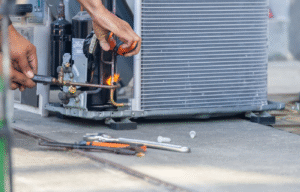
During a professional maintenance visit, technicians clean coils, inspect refrigerant levels, and check duct integrity; all tasks that directly prevent hissing noises.

They also tighten electrical connections, lubricate moving parts, and test airflow, which helps your unit perform at peak efficiency.

If the hissing sound comes from inside your walls, it’s likely air escaping through damaged ducts. Scheduling a duct repair and sealing service helps restore airflow balance and improves overall system efficiency.

When Replacement Might Be the Better Option

If your system is over 10 years old and keeps developing leaks or pressure issues, repairs might only offer short-term relief. In that case, it may be more cost-effective to invest in a replacement.

Modern air conditioners are built with better sealing technology and higher energy efficiency, helping you save money in the long run. AC Man Heating and Air Conditioning provides both repair and installation services, helping homeowners choose the right path for their comfort and budget.


Final Thoughts

A hissing noise from your air conditioner should never be ignored. It’s your system’s way of alerting you to a problem that could grow worse over time. From minor duct leaks to serious refrigerant issues, the right response depends on timely diagnosis and professional care.

If you hear persistent hissing or notice a drop in performance, contact AC Man Heating and Air Conditioning today. Our licensed technicians can inspect, repair, or replace your unit with precision and care.

Call (910)-613-6121 or schedule your AC service online to restore peace, comfort, and quiet to your home. 


>Need
HVAC
SErvice?

CALL
NOW!