Finding the right thermostat setting in summer is a balancing act between comfort and cost. Set it too low, and your system works overtime while your energy bill climbs. Set it too high, and you end up sticky and uncomfortable. So what’s the best AC temperature for energy saving without sacrificing comfort?
In this guide, we’ll go beyond the basic numbers and explain how temperature, humidity, and system maintenance all affect energy use. You’ll also learn how small adjustments can make a noticeable difference in your comfort and your monthly costs.
Why Your Thermostat Setting Matters
Your air conditioner’s main job is to move heat from inside your home to the outside. The wider the temperature difference between the two, the harder your system has to work. Every degree cooler you set your thermostat means more energy use and more strain on your equipment.
But comfort isn’t just about the number on your thermostat. Humidity, insulation, and even air circulation play huge roles in how your home feels. A temperature that feels perfect in one home might feel warm in another because of poor insulation or higher humidity.
The key is to find a temperature that lets your system work efficiently while keeping you comfortable. It’s less about picking a single “perfect” number and more about understanding how to manage your home’s conditions.
The Ideal Temperature for Energy Efficiency
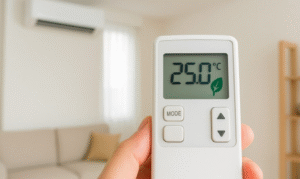
The recommended setting is to have your thermostat set to 78°F (about 25.5°C) when you’re home during the summer. For many families, this is a comfortable balance between cool air and manageable energy costs.
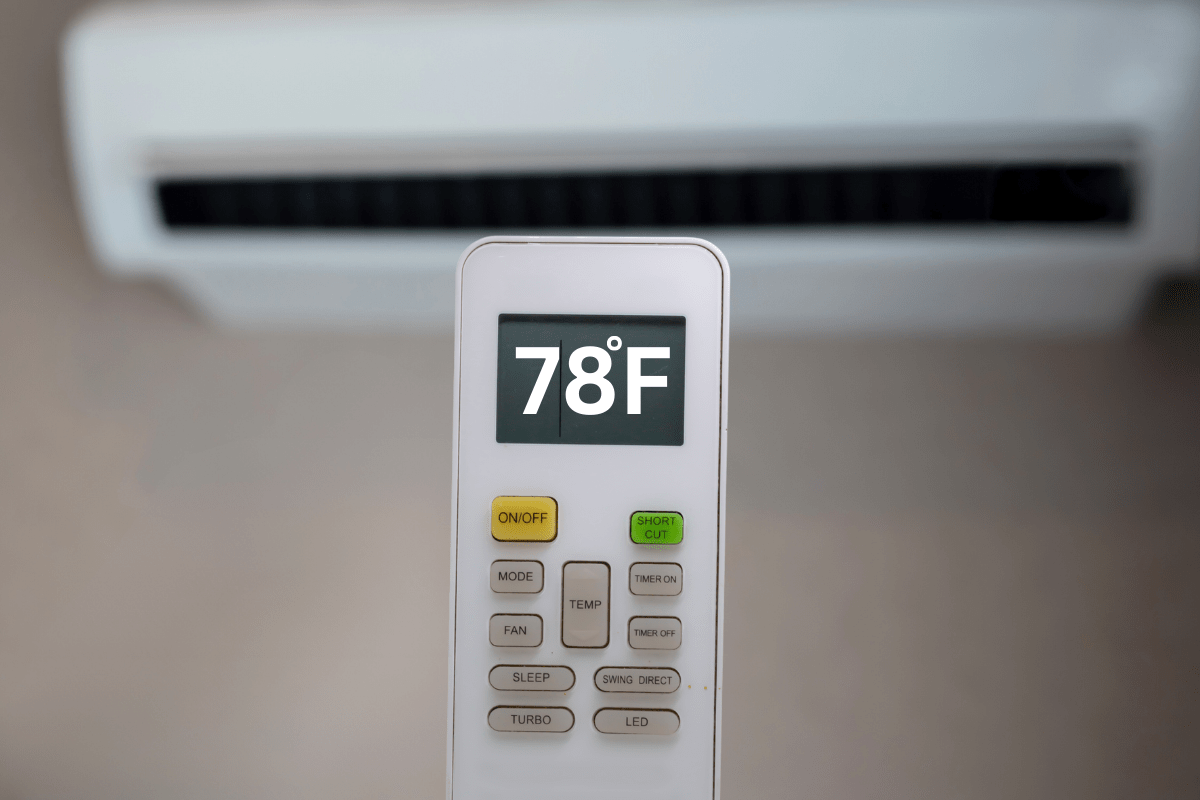
When you’re away, you can increase the setting to around 85°F to reduce cooling while still preventing your home from getting excessively warm. This simple adjustment can lower your utility bill by as much as ten percent over the season.
If 78°F feels too warm, try stepping down gradually. Start at 80°F for a few days, then reduce it by one degree at a time until you find the sweet spot where you’re comfortable without constant cooling cycles.
Smart Adjustments for Every Situation
There’s no single temperature that works for everyone. What feels right depends on your schedule, your comfort preferences, and your home’s design.
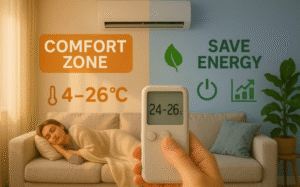
Here’s how to fine-tune your settings for different times of day and activities:
When You’re Home
Keep the thermostat near 78°F when people are active in the house. Pair that with ceiling fans to keep air moving, which helps you feel cooler without lowering the thermostat. A gentle breeze can make 78°F feel more like 74°F.
When You’re Sleeping
Slightly warmer settings, around 80°F, can save energy overnight. If your bedroom gets too stuffy, try using a portable fan or adjusting ceiling vents to improve airflow.
When You’re Away
Raising the temperature by 7 to 10 degrees while you’re out of the house helps reduce unnecessary cooling. Many programmable or smart thermostats can handle this automatically, returning to a comfortable setting before you get home.
The Hidden Factors That Affect Comfort
Temperature is only part of the story. Here are the factors that can make your home feel warmer or cooler even at the same thermostat setting:
- Humidity: Moist air holds heat, so even a moderate temperature can feel muggy. Running your AC or a dehumidifier to control moisture lets you stay comfortable at higher settings.
- Insulation and Air Leaks: Homes with poor insulation or leaky ducts lose cooled air quickly. Sealing leaks and improving insulation can make your home stay cooler for longer, which allows higher thermostat settings without discomfort.
- Sunlight and Window Coverings: Direct sunlight can heat up rooms faster than others. Use shades or curtains during the hottest part of the day to maintain stable indoor temperatures.
- Appliance Heat: Ovens, stoves, and electronics add heat to your home. Limiting their use during the day or using them in the evening helps reduce the load on your AC.
All these details make a difference. If your system constantly struggles to maintain your chosen temperature, it might not be your thermostat that’s the problem. It could be a sign that your air conditioner needs maintenance, your ducts are leaking, or your insulation isn’t performing as it should.
Energy-Saving Tips Beyond Temperature
You don’t have to rely on your thermostat alone to save energy. A few changes in how you use your system can produce even bigger results.
- Use a programmable thermostat: It adjusts temperatures automatically when you’re asleep or away.
- Change air filters regularly: A clogged filter restricts airflow and forces the AC to work harder.
- Schedule regular tune-ups: Cleaning coils, checking refrigerant, and tightening electrical connections can improve efficiency and extend your system’s lifespan.
- Seal your ducts: Leaky ducts lose cooled air into attics or crawl spaces. Sealing them ensures more air reaches your living areas.
- Keep your outdoor unit clear: Remove debris and maintain at least two feet of space around the condenser for proper airflow.
Even small habits like these can reduce your system’s workload and save money over time.
How Much Can You Really Save?
Raising your thermostat by just one degree can save about three percent on your cooling costs. That means shifting from 72°F to 78°F could reduce your energy bill by nearly 18 percent in a single season.