
How to Choose the Best HVAC System for an Older Fayetteville Home
Your house has character. Plaster walls, original hardwood, a porch that has watched decades of Fayetteville summers go by. It also has an HVAC system that runs constantly, a back bedroom that never cools down, and a crawl space you would rather not think about.
When it’s time to replace that system, most people start by shopping for equipment. That is the wrong first step. Choosing the best HVAC system for an older Fayetteville home starts with the house itself: how it’s built, how its ducts are holding up, how much power it has, and how it handles our humidity. Get those right and almost any quality system will perform well. Get them wrong, and even a top-tier unit will disappoint.
Key Takeaways
- The best HVAC system for an older Fayetteville home is the one sized and matched to the house as it exists today, which means a room-by-room Manual J load calculation, not a copy of the old unit’s tonnage.
- Inspect and seal the ductwork before choosing equipment. ENERGY STAR estimates that typical homes lose 20 to 30 percent of duct air to leaks and poor connections.
- Heat pumps and dual-fuel systems suit most older homes in our climate, while ductless mini-splits are often the smartest fit for homes with no ducts, failing ducts, or closed-in porches and additions.
- Humidity control matters as much as cooling in Fayetteville, so variable-speed equipment and crawl space moisture control should be part of the plan.
- Older homes may need electrical upgrades, and duct materials in homes built before about 1980 may contain asbestos, so check both before work begins.
- System replacement requires a permit in Fayetteville, and the federal 25C tax credit ended for equipment installed after December 31, 2025, so check current state and utility programs instead.
Why Older Fayetteville Homes Need a Different Approach
An older home is not a newer home with a few extra years on it. It was built under different rules, with different materials, for a different kind of comfort.
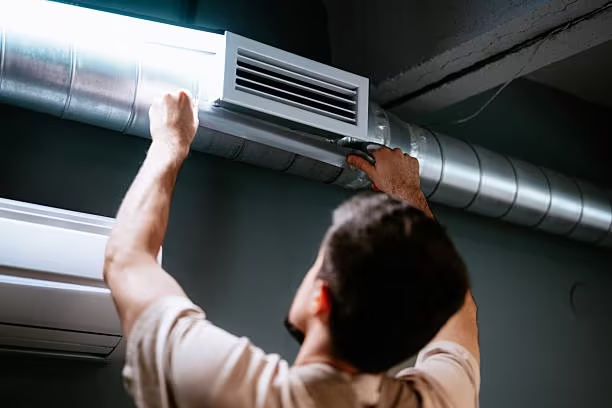
Take Haymount, where many homes date to the early 1900s. Houses from that era were designed to breathe. They have tall ceilings, big windows, and little insulation. People added central air later, often squeezing it into attics and crawl spaces that were never meant to hold ductwork.
Postwar homes from the 1950s through the 1970s have their own quirks. Many have undersized return ducts, single-pane windows, and HVAC equipment that has already been replaced two or three times, each time matched to the previous unit rather than to the house.
Then there’s our climate. Fayetteville summers bring long stretches of heat and heavy humidity, and winter nights regularly drop toward freezing. An older home leaks air in both directions. That means more heat pouring in during July, more warmth escaping in January, and more moisture riding in through every gap.
The result is a house with a load that doesn’t match its square footage. That’s why the selection process needs to start with measurement, not a brochure.
Step 1: Size the System With a Load Calculation, Not the Old Unit
The single most common mistake in older homes is replacing a 4-ton unit with another 4-ton unit because that’s what was there. The old unit may have been wrong from day one. Or the house may have changed since, with new windows, added insulation, or a closed-in porch.
A Manual J load calculation fixes that. It’s the industry-standard method for working out how much heating and cooling a home actually needs. A proper one looks at:
- Square footage and ceiling height, room by room
- Window size, type, and direction
- Insulation levels in walls, attic, and floor
- Air leakage
- Duct location and condition
- Local design temperatures for Fayetteville
Here’s why sizing matters so much in our climate. An oversized air conditioner cools the air fast and shuts off before it removes much moisture. You end up with a house that hits the thermostat setting but still feels damp and clammy. It also short-cycles, which wears out the compressor sooner.
An undersized system has the opposite problem. It runs nonstop on the hottest days and never catches up.
In older homes, the load calculation often reveals that the right answer is a smaller system plus envelope fixes, like attic insulation and air sealing, rather than a bigger unit. That combination costs less to run for the next 15 years.
Step 2: Inspect the Ductwork Before You Pick Equipment
Ducts are where older homes quietly lose the most comfort and money. You can install the most efficient system on the market, but if the air it makes leaks into the crawl space, you’re paying to condition the dirt under your house.
According to ENERGY STAR’s guidance on duct sealing, a typical home loses about 20 to 30 percent of the air moving through its duct system to leaks, holes, and poorly connected ducts. Ducts running through attics and crawl spaces, which describes most older Fayetteville homes, are the usual suspects.
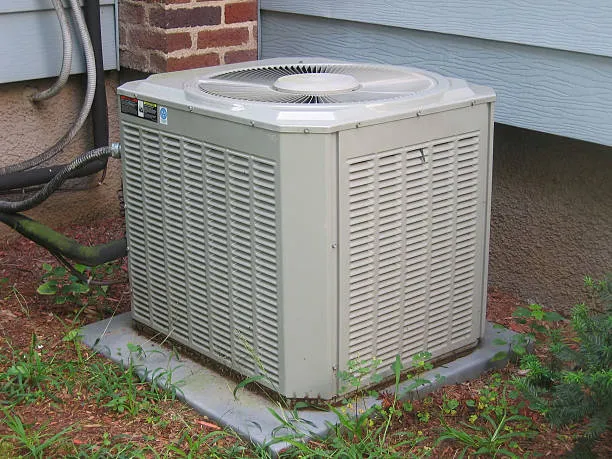
A thorough duct inspection should check for:
Leaks and disconnections. Joints that have separated over decades, especially at the boots under floor registers.
Undersized returns. Many older homes have one central return, which starves the system of air and makes it run hotter and louder.
Crushed or sagging flex duct. Kinked runs choke airflow to the rooms at the end of the line.
Old insulation and tape. ENERGY STAR warns against using cloth duct tape for sealing because it doesn’t last. Proper repairs use mastic or metal foil tape.
Possible asbestos. The EPA notes that some older homes have asbestos in duct insulation, tape, or the wrap around heating pipes. If your home was built before about 1980 and you see white or gray fibrous wrap on old ducts, don’t disturb it. Have it assessed by an accredited professional before any ductwork begins.
Once you know the condition of the ducts, the equipment decision gets much clearer. Ducts in good shape can be sealed and reused. Ducts in poor shape may need replacement, or they may push you toward a ductless approach.
Step 3: Compare the Systems That Work Best in Older Homes
With the load and ducts understood, you can choose equipment. For older homes in Fayetteville, four options cover almost every situation.
System | Best For | Strengths | Trade-Offs |
Heat pump | Homes with sound ducts and all-electric service | Efficient heating and cooling in one system, strong fit for our mild winters | Needs adequate electrical capacity, may use backup heat strips on the coldest nights |
Dual-fuel (heat pump + gas furnace) | Homes with existing gas service | Heat pump handles most of the year, gas takes over on cold nights | Higher upfront cost, two systems to maintain |
Gas furnace + central AC | Homes with gas and a strong preference for furnace heat | Familiar, powerful heat | Separate cooling system, lower overall efficiency than a heat pump |
Ductless mini-split | Homes with no ducts, bad ducts, or hard-to-cool rooms | No ductwork needed, room-by-room control, minimal disruption | Indoor heads are visible, multiple zones add cost |
Heat Pumps
For most older homes with usable ductwork, a modern heat pump is the strongest choice. Our winters are mild enough that a heat pump handles heating efficiently for most of the season. Look for SEER2 ratings for cooling and HSPF2 ratings for heating. Newer systems also use A2L refrigerants such as R-454B, which replaced R-410A in new equipment in 2025.
Dual-Fuel Systems
If your home already has natural gas, a dual-fuel setup pairs a heat pump with a gas furnace. The heat pump runs most of the year. When temperatures drop low enough that gas becomes more efficient, the furnace takes over. It’s a smart fit for older, draftier houses that lose heat quickly on cold nights.
Ductless Mini-Splits
Ductless systems solve problems that ducted systems can’t. They work well in homes that were never ducted, homes where the existing ducts are too damaged to save, and additions or sunrooms that the main system can’t reach. Because they need only a small hole through the wall for the refrigerant line, they also protect original plaster and trim. If your home falls into one of these categories, our team covers how ductless mini-split systems can serve one room or the whole house.
When to Mix Systems
Many older Fayetteville homes end up with a hybrid: a central heat pump for the main living areas and a mini-split for the upstairs bonus room or the converted porch. That’s often more comfortable and cheaper than forcing one large system to reach every corner.
Step 4: Plan for Fayetteville Humidity, Not Just Heat
In our climate, cooling is only half the job. Removing moisture is the other half, and older homes struggle with it more than newer ones.
Leaky walls and vented crawl spaces let humid air in all summer. A system that only knocks the temperature down leaves you with that sticky, 74-degrees-but-it-feels-like-78 feeling.
Three choices help:
Variable-speed or multi-stage equipment. These systems run longer at lower speeds, which pulls more moisture out of the air than a single-stage unit blasting on and off.
A whole-home dehumidifier. In homes that stay humid even with a well-sized system, a dedicated dehumidifier tied into the ductwork takes the load off the air conditioner.
Crawl space moisture control. Many older homes sit over vented crawl spaces. Encapsulating that space keeps damp air from rising into the house and protects ductwork running underneath it.
Ask any contractor how their recommendation handles humidity. If the answer is only about tonnage, keep asking.
Step 5: Confirm the Electrical System Can Support It
Older homes often have electrical service sized for a different era. A 100-amp panel, or smaller, was common in many mid-century homes, and some older houses still have original wiring.
A new heat pump, especially one with electric backup heat strips, can draw a lot of power. Before you commit to equipment, have the contractor check:
- Panel capacity and available breaker space
- The condition of the wiring that will feed the new system
- Whether the outdoor unit’s disconnect and circuit meet current code
Sometimes the answer points to a different system. A dual-fuel setup or a variable-speed heat pump with smaller backup strips may avoid a full panel upgrade. Other times an upgrade is the safer path. Either way, it’s better to know before installation day than to discover it during the inspection.
Permits, Historic Districts, and Rebates in Fayetteville
Replacing an HVAC system in Fayetteville requires a mechanical permit and inspection. Your licensed contractor should pull it, schedule the inspection, and make sure the installation meets code. Our guide covers the process, timing, and the risks of skipping it, including whether you need a permit for AC replacement in Fayetteville.
Licensing matters too. HVAC contractors in North Carolina must hold a heating license from the State Board of Examiners of Plumbing, Heating and Fire Sprinkler Contractors, and anyone handling refrigerant needs EPA Section 608 certification. You can check a license number on the state board’s website.
If your home sits in a local historic district such as Haymount, check with the City of Fayetteville’s historic preservation staff before moving an outdoor unit to a spot visible from the street. Exterior changes in local historic districts can require review by the Historic Resources Commission, and it’s far easier to ask first.
On incentives, the picture changed recently. The federal Energy Efficient Home Improvement Credit, which offered up to $2,000 per year for qualifying heat pumps, only covers equipment placed in service through December 31, 2025, according to the IRS. Systems installed in 2026 don’t qualify.
The state’s Energy Saver North Carolina program, run by the NC Department of Environmental Quality, still offers HOMES and HEAR rebates for eligible households. Income limits apply, with full rebates for homeowners below 80 percent of area median income and reduced rebates for moderate-income households. The program updated its rules in September 2026, including limits on rebates for replacing gas appliances, so confirm current terms with NCDEQ or Fayetteville PWC before you plan.
Common Mistakes When Upgrading HVAC in an Older Home
Even careful homeowners run into these. Avoiding them saves real money.
Matching the old tonnage. The old system’s size is a guess from decades ago. Insist on a load calculation.
Ignoring the ducts. A new system on old, leaky ducts loses a big share of its output before it reaches your rooms.
Buying the highest efficiency rating without the right install. A top-rated unit that’s oversized or poorly charged will underperform a mid-range unit installed correctly.
Forgetting humidity. Comfort in Fayetteville is about moisture as much as temperature.
Skipping the permit. Unpermitted work can cause problems with insurance claims and home sales.
Overlooking the electrical panel. Discovering a capacity problem on installation day leads to delays and surprise costs.
Choosing the Best HVAC System for Your Older Fayetteville Home
The best HVAC system for an older Fayetteville home isn’t a brand or a model number. It’s a system chosen in the right order: measure the house, fix or plan around the ducts, pick equipment that fits the load and the fuel you have, account for humidity, and confirm the electrical service can carry it.
Follow that sequence and the decision often gets simpler. Many homes end up with a right-sized heat pump or dual-fuel system with sealed ducts. Others are better served by ductless units that protect the home’s original character. Either way, the house tells you what it needs once someone takes the time to measure it.
That’s how our team at A/C Man Heating and Air approaches older homes across Fayetteville, Haymount, Hope Mills, and the surrounding area. We start with a free in-home Manual J assessment, check the ducts and electrical service, and lay out repair-versus-replace pricing side by side so you can compare options before deciding. As a veteran-owned company serving Fayetteville since 2004, we also offer military discounts and financing to make the right system more affordable.
FAQ
What size HVAC system does an older home in Fayetteville need?
It depends on the house, not just its square footage. Insulation, windows, air leakage, ceiling height, and duct condition all change the load. A Manual J load calculation is the only reliable way to size a system for an older home.
Is a heat pump a good choice for an older home in Fayetteville?
Yes, for most homes. Fayetteville’s mild winters let a modern heat pump handle heating efficiently most of the season. Draftier homes with gas service may do better with a dual-fuel system that switches to a gas furnace on the coldest nights.
Can I install central air in an old house without ductwork?
You can, but adding ducts to a finished older home is often disruptive and expensive. Ductless mini-splits are usually the better option because they need only a small wall opening per indoor unit and protect plaster, trim, and floors.
Do I need a permit to replace an HVAC system in Fayetteville, NC?
Yes. Replacing an HVAC system requires a mechanical permit and inspection. A licensed contractor should pull the permit and schedule the inspection as part of the job.
Are there rebates for new HVAC systems in Fayetteville in 2026?
The federal 25C tax credit ended for systems installed after December 31, 2025. Income-qualified households may still be eligible for state rebates through Energy Saver North Carolina, and program terms change often, so confirm current details with NCDEQ or your utility.
