
Heat Pump Frozen: Why It Happens and What to Do
Seeing ice on a heat pump can be alarming, especially when you rely on it to keep your home comfortable. Many homeowners are unsure whether a frozen heat pump is normal during cold weather or a sign of a serious problem.
The truth sits somewhere in between. Some frost is expected under certain conditions, but solid ice buildup is not something to ignore.
A frozen heat pump is usually reacting to airflow issues, defrost problems, or system imbalances. Knowing the difference helps you act quickly and protect the equipment.
In this guide, we will explain why a heat pump freezes, what that ice buildup means for your system, and how to respond without making the problem worse.
Key Takeaways
- Light frost on a heat pump can be normal, but solid ice buildup is not.
- Restricted airflow is one of the most common causes of a frozen heat pump.
- Defrost cycle problems often allow ice to build up quickly.
- Running a frozen heat pump increases energy use and equipment strain.
- Early action helps prevent compressor damage and costly repairs.
Why Is My Heat Pump Frozen?
A heat pump freezes when moisture on the outdoor coil turns to ice and the system cannot remove it effectively. This usually happens due to restricted airflow, low refrigerant levels, or a defrost cycle that is not working properly.
Heat pumps pull heat from the outdoor air, even in cold weather. When airflow is limited or the system cannot regulate coil temperature correctly, moisture freezes faster than it can be cleared. Light frost is normal. Thick ice that does not melt is a sign the system is struggling.
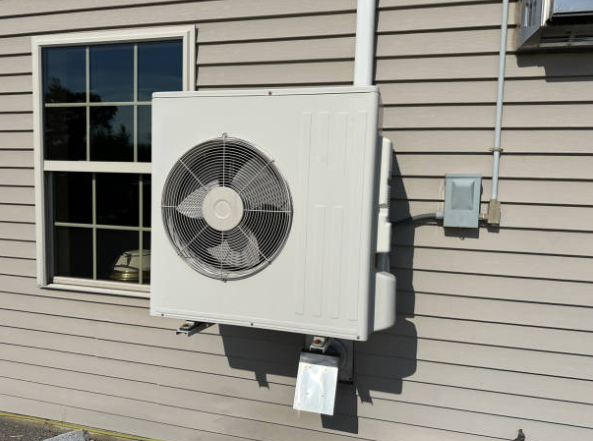
Is It Normal for a Heat Pump to Have Ice on It?
It is normal for a heat pump to develop a light layer of frost during cold and humid conditions. This typically happens when outdoor temperatures drop and moisture in the air collects on the coil.
Heat pumps are designed with a defrost cycle that periodically reverses operation to melt this frost. During defrost, you may notice steam rising from the unit or a temporary pause in heating. That process is expected and necessary.
Ice becomes a problem when it builds up thickly, covers most of the outdoor unit, or does not clear on its own. Persistent ice means the defrost cycle is not keeping up or another issue is preventing normal operation.
5 Common Reasons a Heat Pump Freezes Up
Most frozen heat pumps can be traced back to a few common causes. These issues often overlap and worsen if left unaddressed.
1. Dirty Air Filter or Restricted Airflow
Restricted airflow is one of the most common reasons a heat pump freezes. When air cannot move freely across the indoor coil, system pressures drop and temperatures fall below freezing.
Dirty air filters, blocked vents, or restricted return air reduce airflow significantly. This causes moisture to freeze instead of evaporating. Over time, ice spreads and further blocks airflow, creating a cycle that worsens with continued operation.
2. Blocked Outdoor Unit or Debris Buildup
The outdoor unit needs clear space to move air efficiently. Leaves, dirt, grass clippings, or snow buildup restrict airflow across the coil.
When the outdoor unit is partially blocked, heat exchange slows down. The coil stays colder longer, allowing frost to turn into solid ice. This issue is especially common after storms or during heavy leaf fall.
3. Defrost Cycle Not Working Properly
The defrost cycle is critical to heat pump operation in cold weather. When it fails, frost continues to build without being cleared.
Defrost issues can stem from faulty sensors, control board problems, or timing errors. Without proper defrosting, ice accumulates quickly and reduces heating capacity. A heat pump stuck in this condition will struggle to keep the home warm.
4. Low Refrigerant Levels
Refrigerant levels directly affect system pressure and temperature. When refrigerant is low, the coil temperature drops too far and freezes moisture on contact.
Low refrigerant is not caused by normal operation. It usually points to a leak that requires professional repair. Continued operation with low refrigerant increases the risk of compressor damage and long term system failure.
5. Thermostat or Sensor Problems
Heat pumps rely on sensors to manage temperature and defrost timing. If these sensors send incorrect information, the system may fail to enter defrost mode when needed.
Thermostat issues can also contribute by forcing the system to run longer than necessary. Extended run times during cold, humid conditions increase the chance of freezing.
What Happens If You Keep Running a Frozen Heat Pump?
Running a frozen heat pump reduces its ability to heat your home effectively. As ice builds, airflow drops and heat transfer becomes inefficient.
The system compensates by running longer, which increases energy use and strain on components. Prolonged freezing can damage the compressor, which is one of the most expensive parts of the system.
Ignoring a frozen heat pump often turns a manageable repair into a costly replacement. Addressing the issue early protects both comfort and equipment lifespan.
What You Can Safely Do If Your Heat Pump Is Frozen
There are a few steps homeowners can take safely when ice is present.
- Turn the system off.
Shutting the system down prevents further ice buildup and reduces strain on the compressor. - Check and replace the air filter.
If the filter is dirty, replace it. Restoring airflow may help prevent future freezing. - Clear debris around the outdoor unit.
Remove leaves, snow, or dirt within several feet of the unit to improve airflow. - Allow the ice to melt naturally.
Let the ice thaw on its own. Do not chip at it or pour hot water on the unit, as this can damage the coil.
Once the ice has melted, monitor system operation. If freezing returns, professional service is needed.
When to Call a Professional
Professional service is necessary when ice returns quickly, covers most of the outdoor unit, or appears alongside poor heating performance. Issues involving refrigerant, sensors, or defrost controls require specialized tools and training.
If the heat pump repeatedly freezes or fails to clear ice on its own, continuing to run it risks serious damage. A technician can identify whether the problem lies in airflow, refrigerant levels, defrost operation, or system controls.
On A Final Thought;
A frozen heat pump is a warning sign that the system is not operating as it should. While light frost can be normal, thick ice that lingers points to airflow restrictions, defrost issues, or refrigerant problems that should not be ignored.
Acting early helps restore efficiency and prevents expensive damage. If your heat pump continues to freeze or struggles to keep your home comfortable, A/C Man Heating and Air can inspect the system and help restore reliable operation before the problem escalates.
FAQs
Is it normal for a heat pump to freeze in winter?
Light frost during cold or humid weather can be normal, but thick ice that does not clear on its own is not. Persistent ice usually indicates airflow, defrost, or refrigerant issues.
Can I pour hot water on my frozen heat pump to melt the ice?
No, pouring hot water on the unit can damage the coil and electrical components. The safest option is to turn the system off and allow the ice to melt naturally.
Will a frozen heat pump still heat my home?
A frozen heat pump may still run, but its heating ability is reduced. As ice builds, efficiency drops and the system must work harder to maintain indoor comfort.
How long does it take for a heat pump to defrost itself?
During normal operation, the defrost cycle usually clears frost within a few minutes. If ice remains for long periods or keeps returning, the defrost system may not be working correctly.