
A heat pump that keeps running long after the thermostat shows the desired temperature can feel confusing and sometimes concerning. You expect the system to cycle off once your home reaches the set point, but instead it continues operating as if something is wrong.
This issue is common during the colder months, and a large number of winter comfort calls come from homeowners who notice their heat pump running far longer than usual.
In this blog, you will learn why a heat pump may keep running even after the temperature is reached, how to tell the difference between normal operation and a real problem and what steps you can take to restore proper heating behavior.
Stick to the end to understand what your heat pump is trying to tell you and what to do next.
Key Takeaways
- A heat pump may continue running after reaching the set temperature due to cold weather or thermostat inaccuracies.
- Airflow issues, low refrigerant and frozen outdoor coils often cause longer than normal run cycles.
- If the home struggles to stay warm while the heat pump runs nonstop, the system likely needs repair.
- Basic steps like changing the filter and clearing outdoor debris often restore normal heating cycles.
- Fayetteville HVAC technicians can diagnose refrigerant problems, airflow issues and thermostat faults that lead to constant operation.
Why Your Heat Pump Keeps Running After the Temperature Is Reached
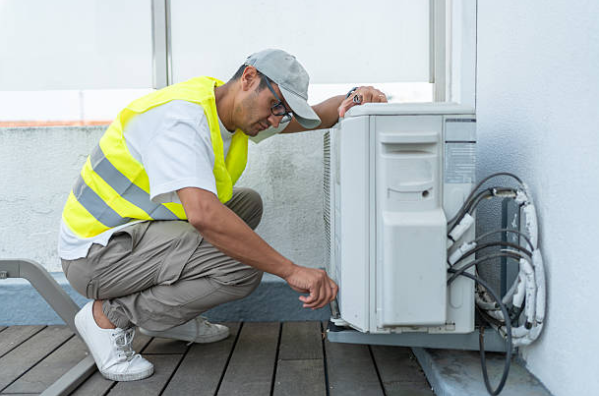
A heat pump that runs past the desired temperature does not always signal a system failure. In many cases, the behavior is completely normal. Heat pumps transfer heat rather than create it, which means they often operate longer, especially in cold weather.
However, there are situations where extended run times indicate airflow issues, thermostat trouble or mechanical problems.
Understanding these causes helps you determine whether your heat pump is working properly or needs attention.
Outdoor Temperatures Are Too Low
Heat pumps perform most efficiently when outdoor temperatures are moderate. When temperatures drop close to freezing, the system must run longer to extract enough heat from the outdoor air. This often results in extended run cycles even after the thermostat appears to reach the target temperature.
Homeowners in Fayetteville experience this most often during cold nights or early winter mornings. As long as the home remains comfortable and the temperature does not drop, longer run times may be normal.
Thermostat Misreading the Indoor Temperature
If your thermostat does not measure the indoor temperature correctly, it may continue calling for heat even after the home reaches the set point. Thermostat misreads happen more often than homeowners realize and can result from:
- Direct sunlight hitting the thermostat
- Placement near a vent or heat source
- Calibration drift over time
- Dust accumulation around the sensor
When the thermostat senses inaccurate heat, it keeps the heat pump running unnecessarily.
Low Refrigerant Levels
Refrigerant is essential for transferring heat from the outdoors into your home. When refrigerant levels drop due to a leak or system imbalance, the heat pump struggles to produce enough heat to satisfy the thermostat. As a result, the heat pump continues running without ever delivering the expected level of warmth.
Low refrigerant often leads to long run cycles, weak airflow or frost forming on the outdoor coil. Only trained technicians can identify and repair refrigerant issues safely.
Dirty or Clogged Air Filter
A clogged air filter is one of the most common reasons a heat pump runs longer than necessary. When airflow is restricted, the heat pump cannot deliver warm air effectively. The system must work harder and run longer to reach the thermostat setting.
Signs of airflow restriction include weak airflow through vents, dust buildup around grilles or uneven temperatures throughout the home. Replacing a dirty filter can restore proper airflow and reduce run times significantly.
Frozen or Blocked Outdoor Unit
During cold weather, frost may develop on the outdoor coil. A light layer of frost is normal and usually melts during the defrost cycle. However, if ice builds up heavily, it prevents the heat pump from extracting heat. The system then runs continuously while struggling to warm the home.
Debris such as leaves, dirt or snow around the outdoor unit can also block airflow, forcing extended operation. Clearing the area and allowing proper ventilation helps the system recover.
Faulty Reversing Valve
The reversing valve switches the heat pump from cooling to heating mode. If the valve malfunctions, the system may not deliver full heating output even though it runs continuously. This can lead to warm air that feels cooler than expected, long run cycles and inconsistent comfort.
A faulty reversing valve requires professional diagnosis and repair.
Heat Pump Too Small for the Home
If the heat pump is undersized, it will run continuously because it cannot meet the heating demand of the home. An undersized system works tirelessly to maintain warm temperatures, especially during colder days in Fayetteville. While the thermostat may show the correct temperature at times, the heat pump runs longer than normal to keep up.
This situation reduces efficiency, increases wear and often signals that system replacement or supplemental heating may be needed.
3 Signs Your Heat Pump Running Constantly Is a Real Problem
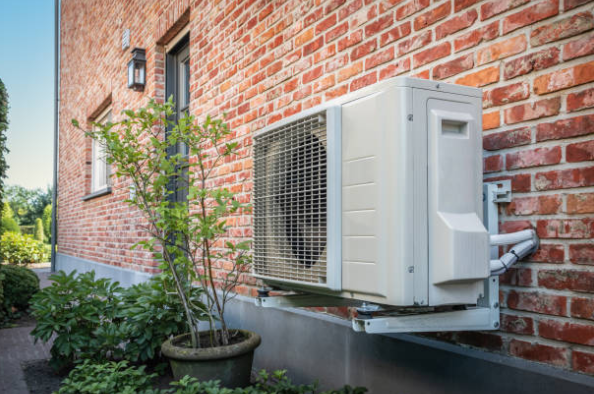
Some extended run time is expected, especially on cold days. However, certain signs indicate the issue is more serious and requires attention.
1. Indoor Temperature Drops Even While the System Runs
If your home does not maintain the set temperature despite continuous operation, the heat pump is struggling. This often means airflow is restricted, refrigerant is low or frost is preventing proper heat transfer.
2. Heat Pump Never Cycles Off at Any Point
Heat pumps normally cycle on and off throughout the day. If your system never cycles off, even during mild weather, this is a sign of thermostat trouble, a control board malfunction or a compressor issue.
3. Energy Bills Increase Suddenly
A sudden jump in energy use often indicates the heat pump is running longer than it should. This may come from mechanical strain, airflow restrictions or refrigerant problems that prevent the system from delivering heat efficiently.
When run times increase without changes in weather or home habits, professional inspection is needed.
How to Fix a Heat Pump That Keeps Running After Reaching Temperature
Before calling a technician, there are several simple steps homeowners can take to reduce unnecessary heat pump run time and restore normal cycling.
Replace the Air Filter
A clean filter ensures proper airflow and allows the heat pump to move warm air efficiently. If the filter appears dusty or discolored, replacing it can immediately improve performance and reduce long cycles.
Inspect and Clear Debris from the Outdoor Unit
The outdoor unit needs unobstructed airflow to extract heat. Check for leaves, dirt, plants or snow that may restrict airflow. Clearing the area creates proper ventilation and allows the system to operate efficiently.
Check Thermostat Settings and Location
Verify that the thermostat is set to heat and the desired temperature is correct. If the thermostat is affected by heat sources or poor placement, it may continue calling for heat unnecessarily. Consider adjusting the surroundings or recalibrating the device if readings appear inaccurate.
Give the System Time During Very Cold Weather
During colder days, the heat pump simply needs more time to maintain comfort. Longer run cycles are normal. If the home remains warm and the temperature stays stable, your system is likely performing correctly.
If the system continues running excessively once temperatures rise, further diagnosis is needed.
When to Call A/C Man Heating and Air For Heat Pump Issue
Professional heat pump service is recommended when the heat pump continues running despite normal weather conditions, accurate thermostat readings, and clean airflow. You should contact a technician if:
- The heat pump never shuts off
- The home struggles to stay warm
- Energy bills climb unusually fast
- Ice continues building on the outdoor coil
- The thermostat behaves unpredictably
- You suspect refrigerant issues or reversing valve failure
Fayetteville HVAC technicians can inspect the heat pump, verify refrigerant levels, test airflow, examine the control board and diagnose electrical issues. Their training ensures safe and accurate solutions that restore proper heating performance.
How to Prevent Heat Pump Overrunning in the Future
Preventive care is the best way to avoid long run times and uneven comfort. Regular steps include keeping the outdoor unit clear, replacing filters every one to three months and scheduling seasonal HVAC tune ups. Annual maintenance ensures your system’s coils remain clean, sensors stay accurate and internal components function properly.
Proper thermostat placement, strong airflow and routine checks all support efficient heating and consistent comfort throughout the winter season.
Final Thoughts
A heat pump that keeps running after reaching the desired temperature can be normal or it can be a sign of an underlying issue. By understanding the most common causes and knowing what to check, you can determine whether your heat pump needs maintenance or professional repair.
When the problem continues or comfort declines, Fayetteville HVAC can identify the cause and restore efficient and dependable heating for your home.
Frequently Asked Questions
Is it normal for a heat pump to run constantly in winter?
Yes. Heat pumps often run longer during cold weather because they extract heat from outdoor air. If comfort remains stable, the system may be operating normally. If the home does not warm properly, there may be airflow or mechanical issues.
Why does my heat pump run after the temperature is reached?
This can happen when the thermostat reads the temperature incorrectly or when airflow restrictions delay heating. It also occurs when outdoor temperatures drop and the system must work harder. If the cycle never ends, deeper issues may be present.
Can low refrigerant make a heat pump run nonstop?
Yes. Low refrigerant reduces the system’s ability to transfer heat. The heat pump then runs longer to reach the set temperature but often fails to do so. Only a professional can test and repair refrigerant problems safely.
Why does the outdoor unit freeze and cause long run cycles?
Frost is normal in winter, but heavy ice buildup blocks heat absorption and causes long run times. If ice does not melt during defrost mode or returns quickly, the system may have airflow problems or a defrost malfunction.
Should I worry if my heat pump never shuts off?
If the home feels warm and the outdoor temperature is low, longer cycles may be normal. If the system never shuts off during mild weather or still struggles to heat the home, it is time for a professional inspection.