
Your Complete HVAC Maintenance Checklist for Fayetteville Homeowners

Your AC died on the hottest day in August. Your furnace refused to start the first sub-freezing night in December. Both breakdowns felt random, but they almost never are. Ask any technician who has been in the field for 10 years and they will tell you the same thing: 8 out of 10 emergency calls trace back to a maintenance task the homeowner did not know they needed to do.
In this guide, you will get a full HVAC maintenance checklist built for Fayetteville, NC, broken down by month and by season, with the exact tasks you can handle yourself and the ones that belong to a licensed tech.
A/C Man Heating and Air has serviced heating and cooling systems across Fayetteville, Hope Mills, Fort Bragg, and Spring Lake for over 20 years, and this is the same checklist their technicians walk homeowners through on every visit. Print it, save it, and use it to stop the surprise breakdowns before they start.
Key Takeaways
- Monthly filter checks and quarterly outdoor unit cleaning cut breakdown risk by roughly half every year.
- Spring HVAC tune-ups should happen before Fayetteville’s first 85-degree day, usually in April.
- Fall furnace inspections belong before the first freeze, typically late October or early November.
- A neglected HVAC system loses about 5 percent efficiency every year without professional service.
- Homes on a twice-yearly maintenance plan average 180 dollars in repairs versus 780 dollars without.
Why an HVAC Maintenance Checklist Matters More in Fayetteville
Fayetteville systems work harder than most. The city sits in a humid subtropical zone where summer highs stay above 85 degrees for months and winter lows drop below freezing on multiple nights each year. Your HVAC system runs almost year-round, cycling from AC to heat and back with only short spring and fall breaks in between.
That workload compounds any small problem fast. A dirty condenser coil that would be a mild efficiency drag in a mild climate becomes a full breakdown in July here. A cracked heat exchanger that would go unnoticed in Miami becomes a carbon monoxide risk during a January cold snap.
Pollen and humidity make it worse. From late March through early May, pine pollen coats everything outside and rides straight into your HVAC intake. Summer humidity averages 72 to 77 percent, according to Weather Spark’s Fayetteville climate data, which puts constant condensation load on the evaporator coil and drain line. Hurricane and severe-storm season from June through October adds surge risk to every outdoor condenser.
A generic national HVAC checklist misses all of that. The one below is built around the schedule that actually protects a Fayetteville system.
Your Monthly HVAC Maintenance Checklist
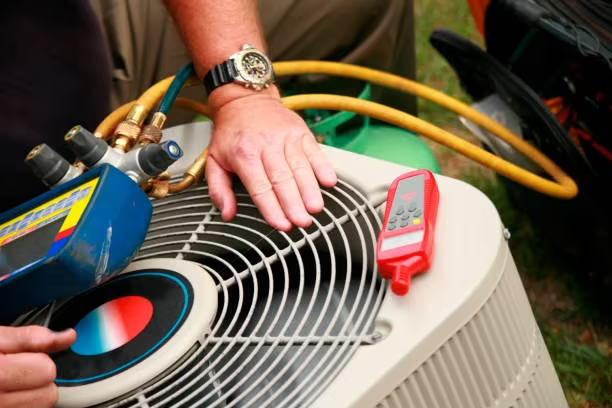
Every month, no exceptions, run through this short list. The whole thing takes 10 minutes and heads off the most common failures.
- Check the air filter: Hold it up to a light. If you cannot see through it clearly, replace it. During pollen peak (late March through May) and peak summer AC use, expect monthly changes. Off-season, every 60 days works.
- Look at the thermostat: Confirm it reads within a degree of a separate thermometer. If it drifts, batteries or a full recalibration may be needed.
Walk around the outdoor condenser: Clear grass clippings, mulch, leaves, and any debris within 2 feet of the unit. Airflow blockage forces the compressor to work harder and fail sooner.
- Listen when the system starts: New rattles, hisses, or grinding sounds mean something has moved, loosened, or worn. Do not wait for it to get louder.
- Watch a supply register at start-up: A visible plume of dust or a musty smell points to duct contamination and calls for air duct cleaning.
That is the whole monthly list. It reads short because most of what actually protects an HVAC system is small, consistent attention rather than one big yearly overhaul.
Spring HVAC Maintenance Checklist: Prepping Your AC
Spring is where your cooling season is won or lost. The goal is a fully tuned AC before Fayetteville’s first 85-degree day, which usually lands in mid-to-late April. Waiting until it hits 90 to schedule service means joining a two-week backlog while your house bakes.
Homeowner tasks for spring:
- Change the filter with a fresh MERV 8 or MERV 11: MERV 11 catches pollen and pet dander without straining most residential blowers.
- Rinse the outdoor condenser coil with a garden hose: Spray from the inside out at low pressure to knock pollen and dirt off the fins. Never use a pressure washer, which bends fins and destroys coil efficiency.
- Clear the condensate drain line: Pour a cup of distilled white vinegar into the drain access to break up algae buildup that clogs the line and causes overflow.
- Test the AC on a mild day: Run cooling for 15 minutes. Feel the vent air. If it is not 15 to 20 degrees colder than the intake air, refrigerant may be low.
Uncover any wrapped equipment: If you covered the outdoor unit for winter, pull the cover before running the system.
Professional tasks that belong to a technician:
- Full electrical connection tightening and voltage/amperage testing
- Refrigerant charge verification (over- or under-charged systems lose 5 to 20 percent efficiency)
- Evaporator coil cleaning and inspection
- Blower motor lubrication and belt tension check
- Capacitor testing (a weak start capacitor is the most common summer failure)
Schedule the professional visit for late March or early April. Book ac repair and tune-up service before the demand spike.
Summer HVAC Maintenance Checklist: Storm and Peak-Load Season
Summer is not the tune-up season. It is the vigilance season. Fayetteville summers combine 90-plus degree days with sudden thunderstorms, tropical systems, and occasional hurricane remnants. Every one of those brings surge risk, debris, and moisture problems.
Monthly summer tasks stack on top of the standing monthly checklist:
- Bump filter checks every 2 weeks during peak: Pollen tails off by late May, but dust from open windows and outdoor activity keeps loading filters.
- Watch your electric bill: A 15 to 20 percent jump from one month to the next, without a rate change, usually means the system is losing efficiency somewhere. Investigate before assuming.
- Confirm the outdoor unit sits level: Storms and heavy rain can wash out the base pad. An unlevel condenser stresses the compressor.
- After every major storm, inspect the outdoor unit for debris: Downed branches, blown insulation, and standing water are all reasons to power down and inspect before restarting.
- Consider a surge protector on the disconnect: A whole-home surge protector or a dedicated HVAC surge protector costs 200 to 400 dollars to install and prevents a lightning strike from destroying your condenser board.
If you have a heat pump, the cooling season is still peak-load season. Confirm the reversing valve switched properly to cooling mode in spring and stays there through fall. Any heat pump service call before the season saves you the wait during it.
Fall HVAC Maintenance Checklist: Heat and Furnace Prep
Fall is the second critical tune-up window. The goal here is a fully inspected furnace or heat pump before Fayetteville’s first freeze, which usually happens between late October and mid-November. Skipping fall maintenance is how homeowners end up with a no-heat call at 11 pm on a 28-degree night.
Homeowner tasks for fall:
Replace the filter one more time. A fresh filter for the heating season prevents dust burn-off smell on the first furnace start-up.
- Test the furnace or heat pump before you need it. Run heat for 15 to 20 minutes on a cool morning. Confirm even, warm air from every register.
- Vacuum around the indoor air handler and furnace. Dust that has settled all summer will burn off with an unpleasant smell if the system starts caked.
- Check smoke and carbon monoxide detectors. If you use gas heat, working CO detectors are non-negotiable. Replace batteries and test both.
- Clear the outdoor unit. Falling leaves clog condenser fins fast. A quick fall clean-out keeps airflow open for heat pump operation.
Professional tasks for fall include a full combustion analysis on gas furnaces, heat exchanger inspection for cracks, gas pressure verification, ignitor testing, blower motor amperage check, and safety control testing. On a heat pump, add reversing valve testing, defrost cycle confirmation, and auxiliary heat verification.
Schedule the furnace repair or tune-up appointment for the first two weeks of October at the latest. Booking early puts you ahead of the November rush.
Winter HVAC Maintenance Checklist: Cold-Snap Ready
Winter is short in Fayetteville but sharp. A handful of nights every year dip into the low 20s or teens, and that is when equipment stress spikes. The winter checklist protects against those specific events.
Keep the thermostat at a consistent set point: Dropping the setting 8 to 10 degrees at night saves money, but do not drop it below 60 in a Fayetteville winter. Recovery from lower set points on heat pumps triggers expensive auxiliary electric heat.
- Change filters monthly if you run heat constantly: A gas furnace or heat pump on for weeks straight loads filters faster than most people expect.
- Confirm the flue and combustion air openings on gas equipment are clear: Nesting animals sometimes block flues in fall.
Watch the outdoor heat pump for ice buildup: Some frost during defrost cycles is normal. A solid coat of ice that does not clear means the defrost control has failed.
- Test emergency heat: Flip the thermostat to emergency heat for 5 minutes. If it runs and produces warm air, the backup circuit works. If nothing happens, that circuit is broken and needs to be fixed before the next cold snap.
For homes with older gas equipment, this is the season to confirm your CO detectors work and to keep the number for after-hours service programmed into your phone.
What a Professional HVAC Tune-Up Actually Covers
A real tune-up is not someone glancing at your unit for 15 minutes. According to ENERGY STAR’s official maintenance checklist, a professional tune-up should include thermostat verification, electrical connection tightening, motor lubrication, condensate drain inspection, coil cleaning, blower and airflow adjustment, refrigerant charge measurement on cooling systems, gas pressure and burner combustion analysis on gas heat, and safety control testing.
The A/C Man Heating and Air Precision Tune-Up Plan runs $24 per month or $249 per year and includes two of these visits, one in spring and one in fall. The plan also includes 10 percent off any repairs and priority scheduling when summer demand spikes. See the full maintenance plan details for what stacks on top.
A proper tune-up typically runs 60 to 90 minutes per system. If a technician is in and out in under 20 minutes and produces no measurements, no photos, and no written report, that was not a tune-up. That was a windshield inspection.
The Cost of Skipping Your HVAC Maintenance Checklist
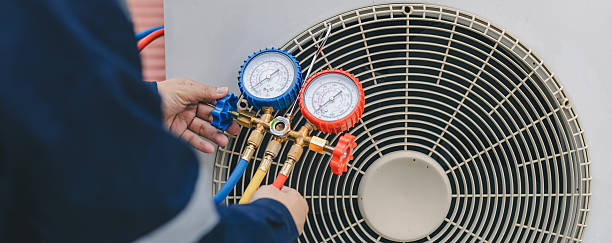
Neglect is expensive, and the numbers are not close. According to the U.S. Department of Energy, replacing a dirty filter alone can cut air conditioner energy consumption by 5 to 15 percent, and a neglected HVAC system loses roughly 5 percent of its rated efficiency for every year without professional service. Compound that over 5 years and the system is running at 75 percent of what you paid for.
The repair numbers are worse. Real-world service data shows homes on twice-yearly maintenance average 180 dollars in annual repair costs. Homes on one visit per year average 320 dollars. Homes with zero professional maintenance average 780 dollars in annual repairs, and 23 percent of those systems need full replacement within 10 years.
Emergency repairs cost 2 to 3 times more than the same job scheduled during business hours. A compressor replacement on a Sunday afternoon in July can run 2,500 dollars. The same repair on a Tuesday in March runs closer to 1,200. Small maintenance costs compound into major replacement decisions faster than most homeowners expect.
Lifespan takes the biggest hit. A maintained central AC lasts 15 to 20 years. A neglected one often quits at 10 to 12. On a 6,000-dollar system, that is 300 to 500 dollars of expected life lost every year you skip service.
Warning Signs That Bump Your Checklist Forward
Some symptoms mean stop following the calendar and call for service now. If any of these show up between scheduled visits, act:
- Warm air from the AC on a hot day: Usually refrigerant loss, a failed capacitor, or a frozen coil. All three get worse fast.
- A furnace that short cycles on and off: Overheating limit switches trip repeatedly and stress the heat exchanger.
- A burning or electrical smell: Turn the system off at the thermostat and the breaker, then call.
- Water pooling near the indoor unit. Blocked condensate drain that will spread water damage if ignored.
- A tripped breaker on the HVAC circuit: Never reset it more than once. A repeatedly tripping breaker signals a short or a motor pulling too much current.
- Weak airflow from every register at once: Dirty blower, dying motor, or major duct problem.
- Unusual sounds: grinding, screeching, banging: Bearing failure or a loose component that will destroy other parts if the system keeps running.
None of these are wait-and-see items. Every one gets more expensive the longer you run the system that way.
Turning Your Fayetteville HVAC Maintenance Checklist Into a Routine
The best HVAC maintenance checklist in the world does nothing sitting in a browser tab. Turn it into a routine:
- Set two calendar reminders per year. Late March for AC tune-up. Early October for furnace or heat pump tune-up. Book the appointments the day the reminder pops.
- Set a monthly recurring reminder for the 1st of every month to run the 10-minute homeowner checklist.
- Buy 6 to 12 filters at once so you never skip a change because the right size is not in the closet.
- Save your HVAC technician’s number in your phone under a name you will remember at 2 am, not “Miscellaneous Contractor.”
Your Fayetteville HVAC maintenance checklist works because it matches the actual climate: pollen-heavy springs, high-humidity summers, storm season overlap, and short-but-sharp winters. Following it protects the equipment you already paid for and cuts your surprise-repair budget to near zero.
If you would rather hand the whole schedule to a team that runs it on autopilot, A/C Man Heating and Air handles both tune-ups, filter reminders, and priority service under one plan. Call (910) 797-4287 or get in touch with the team to sign up or ask any question about your specific system.
FAQ
How often should HVAC maintenance be done in Fayetteville?
Twice per year is the baseline: once in spring for the cooling system (late March through April) and once in fall for the heating system (late September through October). Homes with heat pumps get both checked in one visit if scheduled together. In between, run through the monthly homeowner checklist every 30 days.
Can I do HVAC maintenance myself?
Yes for the homeowner tasks on this checklist: filter changes, outdoor unit clearing, drain line vinegar flushes, thermostat checks, and visual inspections. No for refrigerant handling, electrical work, gas system service, or coil cleaning. Those require an EPA 608 certification, tools most homeowners do not own, and safety training.
What happens if you never do HVAC maintenance?
The system loses about 5 percent efficiency per year, runs breakdowns 3 to 4 times more often than a maintained system, voids most manufacturer warranties, and typically fails 5 to 8 years earlier than its rated lifespan. On a 6,000-dollar AC, that is thousands of dollars in avoidable cost.
How much does an HVAC tune-up cost in Fayetteville?
Standalone tune-ups run $89 to $150 per system depending on the company. A maintenance plan usually delivers a better value: A/C Man Heating and Air’s Precision Tune-Up Plan runs $24 per month or $249 per year and includes both seasonal visits, 10 percent off repairs, priority scheduling, and $100 per year credited toward a new system.
When is the best time to schedule spring HVAC maintenance in Fayetteville?
The last two weeks of March through the first two weeks of April. That window lands after the last hard freeze but before the pollen peak and the first 85-degree day. Waiting until May means longer wait times and a hotter house during any delay.
