
At some point, almost every homeowner faces the same moment. You pull out a dirty furnace filter and realize you do not have a replacement on hand. The furnace needs to run, the house feels cold and the question comes up.
Can you run your furnace without a filter, even for a little while. This is a common situation during the colder months, and a large percentage of winter overheating and airflow related service calls begin with filter problems.
In this blog, you will learn how long a furnace can operate without a filter, why the filter is essential and what happens inside your heating system when it runs unprotected.
You will also learn what to do if you already operate the system without a filter and when to call a professional for furnace service. Understanding how your furnace reacts to missing filtration protects your home, your comfort and the long term health of your heating system.
Continue reading to grab all you need to know.
Key Takeaways
- Running a furnace without a filter can cause immediate dust buildup, reduced airflow and overheating risks.
- Even short periods of unfiltered operation allow debris to reach the blower motor and heat exchanger.
- Poor indoor air quality, higher energy bills and premature system wear are common results of missing filtration.
- Replacing the filter quickly and scheduling a tune up helps prevent long term furnace damage.
- Fayetteville HVAC technicians can clean internal components and restore proper airflow after filter related issues.
How Long Can You Safely Run a Furnace Without a Filter
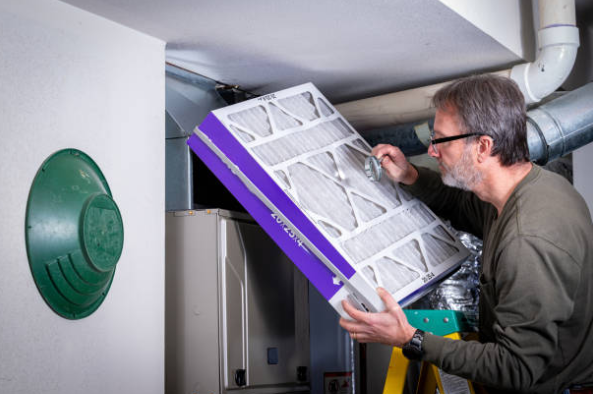
A furnace should never run without a filter. Even short periods of unfiltered operation allow dust, dirt and debris to enter the system and spread through your home.
In an emergency, such as waiting for a new filter on the same day, running the furnace for a very limited time may be possible, but it is strongly discouraged. Every minute without filtration increases the risk of dust buildup, overheating, and mechanical strain.
The furnace filter has one important job. It keeps airborne particles out of sensitive internal components. Without a filter, particles enter the blower motor, heat exchanger, ductwork and coil. This creates conditions that damage the system and reduce efficiency.
Why Furnaces Need a Filter
A furnace filter protects the system by keeping dust and debris out of the airflow. It also protects your indoor air quality. Without a filter, everything floating in your air is pulled inside the furnace and circulates through your home.
A properly sized filter protects:
- The blower motor
- The heat exchanger
- The evaporator coil
- The duct system
- Your indoor air quality
When any of these components become coated with dust, they lose efficiency and begin overheating or struggling to operate. This is why a furnace filter is not optional. It is essential for safe heating.
What Happens the Moment You Run a Furnace Without a Filter
When the furnace operates without filtration, dust and debris begin moving through the system immediately. The blower pulls particles into the furnace housing and spreads them across internal parts. This interferes with airflow, heat transfer and combustion. Even a short period of unfiltered operation can send dust into places that take professional cleaning to repair.
Without a filter, the furnace also loses one of its primary safety protections. Heat exchangers depend on steady airflow to avoid overheating. Dust buildup disrupts that airflow and can trigger safety switches or early shutdowns.
Risks of Running a Furnace Without a Filter
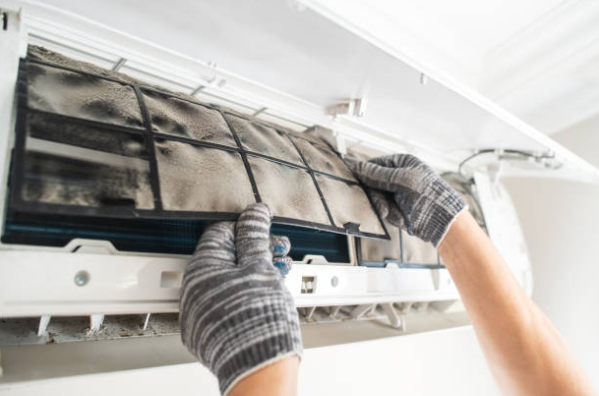
Although the temptation to run the furnace without a filter may feel harmless, the risks are real. Some appear quickly while others develop over days or weeks. Understanding these risks helps you avoid long term damage.
Dust and Debris Build Up Inside the System
When the furnace pulls in unfiltered air, dust settles on internal components. This can create several problems:
- The blower wheel becomes unbalanced
- The heat exchanger becomes covered in debris
- Airflow becomes restricted inside the furnace
- Dust enters the ductwork and circulates through your home
Once debris builds up, the system may struggle to move air and heat properly. Cleaning these components requires professional tools and disassembly.
Overheating and System Shutdowns
Restricted airflow caused by dust buildup can cause the furnace to overheat. Modern furnaces contain multiple safety switches that shut the system down when temperatures rise beyond a safe level. Frequent overheating increases strain on the furnace and may shorten the lifespan of key components.
In extreme cases, overheating can crack the heat exchanger, which is one of the costliest repairs a homeowner can face.
Poor Indoor Air Quality
Without a filter, dust, pet hair, pollen and other contaminants are blown freely throughout the home. Family members may notice increased allergy symptoms, more dust buildup on furniture or a stale smell circulating through the ventilation system.
A furnace without a filter essentially distributes everything it pulls in, which affects comfort and air quality.
Higher Energy Bills and Reduced Efficiency
Dust buildup on internal components forces the furnace to work harder to push air through the system. This reduces efficiency and increases energy costs. When the furnace cannot deliver heat efficiently, it cycles more often and uses more fuel or electricity to compensate.
The cost of running a furnace without filtration can quickly exceed the price of a replacement filter.
Early System Failure
Continuous exposure to dust wears down motors, ignitors and bearings. Over time, this accelerates system fatigue and leads to early furnace replacement. Many major furnace failures can be traced back to airflow issues and dust accumulation that occurred long before the system stopped working.
Running a furnace without a filter, even temporarily, increases the likelihood of costly breakdowns.
When Running a Furnace Without a Filter Happens Accidentally
Many homeowners operate their furnace without a filter unintentionally. You may not realize the filter has collapsed or fallen into the housing. You may have removed a dirty filter and forgotten to replace it. Understanding how this happens helps reduce the risk.
Forgot to Replace After Removing a Dirty Filter
It is easy to forget a filter change during a busy day. Hours or days may pass before you notice the furnace is running unprotected. In this case, check the furnace for visible dust around the blower compartment and replace the filter immediately.
Wrong Filter Size or Fit
A poorly sized filter leaves open gaps around the frame. Air bypasses the filter and enters the system unfiltered. This situation is just as harmful as running the furnace with no filter at all.
Filter Collapsed or Sucked Into the System
Low quality filters may collapse under suction. When this happens, particles enter freely and coat internal parts. If you discover a collapsed filter, assume the furnace has collected a large amount of dust and schedule a cleaning.
What to Do If You Already Ran the Furnace Without a Filter
If the furnace has operated without a filter, even for a short time, taking the right steps helps minimize damage and return the system to normal performance.
Replace the Filter Immediately
Choose the correct size and MERV rating recommended for your furnace. Installing a new filter stops additional dust from entering the system.
Inspect for Visible Dust Buildup
Look for dust around the blower compartment, vent openings and return grille. Excess dust is a strong indication that the system needs cleaning.
Listen for Unusual Furnace Noises
Dust on the blower wheel or fan motor may cause unusual sounds such as rattling, squealing or humming. If you hear new noises shortly after running without a filter, schedule a professional inspection.
Schedule a System Cleaning or Tune Up
A furnace tune up allows a technician to remove dust from hard to reach areas, restore airflow and confirm the system is operating safely. This is especially important if the furnace ran without a filter for more than a few minutes.
How to Prevent Future Filter Problems
Avoiding filter related heating issues begins with simple habits and routine care. Keeping your furnace protected ensures clean airflow and consistent performance.
Helpful steps include:
- Setting calendar or phone reminders to check the filter monthly
- Using high quality filters that fit securely
- Keeping a spare filter on hand at all times
- Following your furnace manufacturer’s recommended MERV rating
- Scheduling seasonal maintenance to ensure proper airflow
Strong filtration supports better indoor air quality and protects your furnace from unnecessary strain.
Wrapping Up;
Running a furnace without a filter may seem harmless for a short moment, but it exposes the system to dust, debris and overheating that can cause real damage. Even brief unfiltered operation can reduce efficiency, raise energy bills and shorten the life of your heating system. Understanding these risks helps you avoid costly repairs and maintain reliable comfort in your home.
If your furnace has been running without a filter or shows signs of restricted airflow or overheating, Fayetteville HVAC can help restore safe, efficient and dependable heating.
Frequently Asked Questions
Is it ever safe to run a furnace without a filter?
Not really. Even a short period allows dust to enter the system and settle on sensitive components. In an urgent situation, a very brief run time may be possible, but it should be avoided whenever possible.
What happens if I accidentally run my furnace for a day without a filter?
Dust likely entered the furnace, and some may have reached the blower wheel, heat exchanger or ducts. Replace the filter immediately and monitor the system for noise or airflow changes. A professional inspection can ensure no long term damage occurred.
Can running without a filter damage the blower motor?
Yes. Unfiltered air carries dust that settles on the motor and blower wheel. This buildup causes overheating, reduced efficiency and eventual motor failure. Protecting the blower is one of the main reasons filters are essential.
Why does my furnace smell dusty after removing the filter?
Dust may have been sucked into the furnace and is now burning off the heat exchanger or circulating through vents. The smell should not be ignored. Replace the filter and consider a tune up to clear internal dust.
How often should I replace my furnace filter to avoid this problem?
Most homes benefit from filter checks every thirty days and replacements every one to three months. Homes with pets, allergies or high usage may need more frequent changes to keep the system protected.