
Your air conditioning works harder every summer, and your furnace has been running since before you bought the house. One day you realize your energy bills are climbing, the system is running constantly, and you’re wondering how much longer it will last.
That’s when the real question hits: what does a new HVAC system actually cost. The answer is more nuanced than a single number, and understanding what drives pricing helps you make a decision you won’t regret.
HVAC replacement in Fayetteville typically costs between $3,500 and $10,000, with most homeowners spending $6,300 to $14,000 depending on system type and installation complexity. The average falls around $7,700 to $9,200 for a standard replacement.
Your actual cost depends on home size, system efficiency, ductwork condition, and installation factors. Getting multiple quotes ensures you’re not overpaying for the system that fits your home and budget.
In this blog, you will learn what drives price differences between systems and why some installations cost significantly more than others
Key Takeaways
- HVAC replacement in Fayetteville typically ranges from $3,500 to $10,000 depending on system and installation complexity
- Most homeowners spend between $6,300 and $14,000 based on system size, efficiency, and project scope
- The average HVAC replacement cost in Fayetteville falls around $7,700 to $9,200 for standard installations
- Factors like home size, ductwork condition, and efficiency ratings directly impact your final replacement cost
- Getting multiple quotes and planning ahead helps you avoid overpaying and choose the right system for your home
Average HVAC Replacement Cost in Fayetteville NC
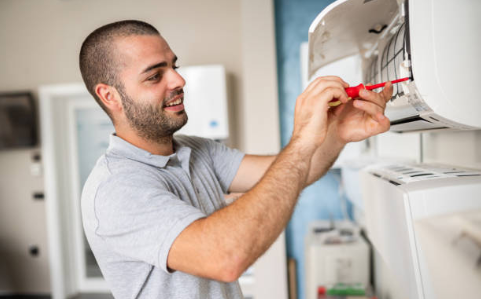
HVAC replacement is not a one-size-fits-all expense. Costs vary significantly based on what you’re replacing, how complex the installation is, and the quality level you choose.
In Fayetteville, homeowners typically budget between $3,500 and $10,000 for HVAC replacement. For projects involving both heating and cooling upgrades, the range expands to $6,300 to $14,000 depending on system scope and installation requirements. The average cost for a standard replacement in the area sits around $7,700 to $9,200.
Why such a wide range. System size matters immensely. A 1,200 square foot home needs a completely different capacity than a 3,500 square foot home. Efficiency levels differ too. A basic system costs less upfront but runs less efficiently.
A high-efficiency system costs more but saves money over time through lower energy bills. Installation complexity also plays a major role. A straightforward replacement in a home with existing ductwork costs far less than upgrading ductwork, running new lines, or working around difficult structural constraints.
Think of the cost range like car pricing. You can buy a reliable sedan or a luxury model. Both get you where you need to go, but the features, performance, and long-term value differ significantly.
What Affects the Cost of HVAC Replacement
Understanding these factors helps you predict your likely cost and identify where you can save money without sacrificing quality.
Size of Your Home
System capacity is measured in tons, and homes require different tonnage based on square footage. A 1,000 square foot apartment needs a much smaller system than a 3,000 square foot house. Larger systems cost more to manufacture, deliver, and install.
A contractor calculates the right size through a process called load calculation, which considers your home’s insulation, window area, sun exposure, and local climate. Getting the sizing right is critical because an undersized system won’t cool or heat adequately, while an oversized system cycles inefficiently and wastes energy.
Type of HVAC System
You have several options, and each comes with different price points and benefits. A central AC and furnace combo is the most common choice in Fayetteville and costs more than a single component replacement because you’re upgrading both heating and cooling.
A heat pump system works for heating and cooling but costs more upfront than traditional systems. A ductless mini-split system is ideal for homes without ductwork but requires professional installation for each zone you want to condition.
Energy Efficiency (SEER Rating)
Your cooling system’s efficiency is measured by SEER (Seasonal Energy Efficiency Ratio). A higher SEER rating means better efficiency and lower cooling costs, but it also means a higher equipment cost. A basic 13-15 SEER system is more affordable upfront.
A mid-range 15-18 SEER system costs more but saves money monthly. A premium 20+ SEER system has the highest upfront cost but delivers the best long-term savings for homeowners staying in their homes for many years.
For furnaces, the metric is AFUE (Annual Fuel Utilization Efficiency). Higher AFUE ratings mean more of your heating fuel converts to actual heat in your home. Again, efficient furnaces cost more but save money over their lifespan.
Ductwork Condition
If your existing ductwork is in poor condition, needs repair, or must be replaced entirely, you can expect to add $2,000 to $4,000 to your project.
Leaky or undersized ducts prevent your new system from working efficiently, so addressing them during replacement makes sense. New ductwork adds to your bill, but skipping it means your new system won’t perform at its rated efficiency.
Installation Complexity
Tight crawl spaces, difficult attic access, older homes with unusual layouts, and homes needing electrical upgrades all increase installation costs. Some homes require plumbing modifications for condensate drainage.
Others need structural work to accommodate larger equipment. A straightforward replacement in a modern home with good access might take one day. A complex install with ductwork modifications and structural work might take several days, increasing labor costs.
Brand and Equipment Quality
Premium brands like Carrier, Lennox, and Trane command higher prices than budget brands. You’re paying for reliability, warranty coverage, and parts availability. A premium system typically lasts longer and requires fewer repairs.
A budget system might have a shorter lifespan and higher repair costs down the road. The cheapest option upfront often becomes the most expensive option long-term.
Cost Breakdown by HVAC System Type
Each system type serves different needs and price points. Understanding your options helps you choose the right fit.
Central AC System
A central air conditioning system alone typically costs $4,500 to $8,000 installed in Fayetteville. This includes the outdoor condenser unit, indoor air handler, refrigerant lines, and installation labor. Central AC is the most common cooling solution for existing homes because most have ductwork already installed. If you’re replacing only your AC and keeping your furnace, this is your cost.
Heat Pump System
A heat pump replacement costs $5,000 to $10,000 installed and serves as both heating and cooling. Heat pumps are increasingly popular because they reduce your reliance on fossil fuels and offer consistent performance.
They work well in Fayetteville’s mild winters and humid summers. However, they cost more upfront than traditional AC systems. Note that 2025 brought a change: all new heat pumps must use A2L refrigerant instead of R-410A, which adds 5 to 15 percent to costs.
AC and Furnace Combo
The most common full system replacement combines a furnace and air conditioner, costing $6,000 to $12,000 installed. This is what most homeowners in Fayetteville choose because it addresses both heating and cooling in one project.
Doing both at once reduces disruption, allows contractors to upgrade ductwork if needed, and lets you choose matching systems that work well together. Labor costs drop slightly when installing both components simultaneously compared to separate projects.
Ductless Mini-Split
A ductless mini-split system costs $4,000 to $7,000 per zone installed. Each zone includes an outdoor unit and one or more indoor wall-mounted air handlers. This option works well for homes without ductwork, sunrooms, or spaces where traditional cooling is difficult.
The flexibility of zone control can save energy by letting you condition only occupied spaces. However, if you want whole-home coverage, costs add up quickly with multiple zones.
Signs You Need to Replace Your HVAC System
Not every HVAC issue calls for a full replacement, but there comes a point where repairs stop making financial sense and performance continues to decline. When your system becomes unreliable, inefficient, or expensive to maintain, replacement becomes the smarter long-term decision.
- Your system is 10 to 15 years old or older, which places it near the end of its typical lifespan
- You are dealing with frequent repairs that are adding up and getting close to the cost of replacement
- Your energy bills keep rising even though your usage has not changed, signaling declining efficiency
- You notice uneven temperatures throughout your home, with some rooms staying too warm or too cold
- Airflow from your vents feels weak, showing the system is struggling to deliver consistent comfort
How to Save Money on HVAC Replacement
What Will It Cost to Replace Your HVAC System?
Enter your address — we'll pull your home's details and size your system automatically. No site visit needed for a ballpark.
We use public property records to find your home's square footage and year built.
Heads up: the address you entered doesn't look like a US address — automatic lookup only covers US properties.
See your Good / Better / Best pricing breakdown
Unlock all three system options with itemized ranges — we'll also text/email you a copy.
By submitting you agree to be contacted about your estimate. No spam, ever.
This is a rough planning estimate based on public property records and regional averages — not a quote. Final sizing requires a free in-home Manual J load calculation, and final pricing depends on equipment availability, ductwork, electrical, and code requirements.
You don’t have to accept the highest price you’re quoted. Smart shopping saves thousands.
Get multiple quotes from licensed contractors. At least three quotes give you a baseline and reveal which contractors are overpricing. Compare the equipment they recommend, not just the price. Different contractors might suggest different systems based on your home’s needs, so understanding what you’re paying for matters.
Choose mid-range efficiency for the best return on investment. A basic 13-15 SEER system saves money upfront but costs more to operate. A premium 20+ SEER system has a longer payback period. Mid-range 15-18 SEER systems often hit the sweet spot, offering meaningful energy savings without an excessive upfront premium.
Schedule replacement during off-peak seasons. Fall and spring are slower seasons for HVAC contractors, and they’re often more flexible on pricing. Summer and winter bring emergency demand, and emergency service costs more. Planning ahead and replacing during shoulder seasons can save hundreds.
Check for rebates and incentives. Your utility company, the state, and federal programs sometimes offer rebates for high-efficiency systems. Some systems qualify for tax credits. Ask your contractor about available programs before making a final decision.
Maintain your current system to extend its lifespan. Regular filter changes, annual tune-ups, and prompt repairs keep your system running efficiently and delay the need for replacement. Once you do replace, maintaining the new system keeps costs down and prevents premature failure.
Is HVAC Replacement Worth the Investment
Yes. The upfront cost is significant, but the benefits justify the expense.
Lower energy bills arrive immediately with a new, efficient system. Newer units cool and heat more effectively, so your home reaches and maintains the desired temperature with less runtime. Over a system’s 15-year lifespan, energy savings often exceed the installation cost.
Better comfort is immediate and noticeable. A properly sized new system maintains consistent temperatures throughout your home. No more hot upstairs and cold downstairs. No more weak airflow making you question whether the system is even running.
Fewer breakdowns mean less stress and lower repair costs. New systems have manufacturer warranties, typically 5 to 10 years, covering parts and labor. You’re not calling an emergency service at midnight in July worrying about a $1,500 repair bill.
Increased home value matters if you’re considering selling. A new HVAC system is a major selling point. Buyers know they won’t face replacement costs immediately. A home with an aging HVAC system often sells at a discount if the system fails inspection.
Final Thoughts: Planning Ahead Beats Emergency Replacement
HVAC replacement is a major investment, and timing makes a real difference. Planning ahead gives you control over cost, system selection, and installation scheduling. Waiting until your system fails in peak summer often means higher prices, limited options, and rushed decisions.
A/C Man Heating and Air helps you stay ahead of the problem. Our team can assess your current system, walk you through your options, and provide clear, honest pricing so you can plan your replacement the right way.
Avoid the stress of emergency breakdowns and last-minute decisions. Schedule your HVAC evaluation with A/C Man Heating and Air today and choose a system that fits your home, your comfort needs, and your budget.
FAQ
How long does HVAC installation typically take in Fayetteville?
Most straightforward replacements take one to two days. If ductwork modifications or other complications arise, the project might extend to three to five days. Your contractor will provide a timeline during the estimate phase.
What is the difference between SEER and AFUE ratings?
SEER measures air conditioning efficiency. AFUE measures furnace or heat pump heating efficiency. Both use scales where higher numbers indicate greater efficiency. A 16 SEER unit is more efficient than a 13 SEER unit. An 95 AFUE furnace is more efficient than an 80 AFUE unit.
Should I replace my furnace and AC at the same time?
If both systems are old, replacing them together makes sense because you can upgrade ductwork once, reduce installation costs, and ensure the systems work well together. If only one system is failing, replacing just that component is acceptable. Discuss with your contractor whether coordinating replacement offers benefits for your specific situation.
Are high-efficiency systems worth the extra cost?
Mid-range efficiency systems typically offer the best value, with payback periods of 5 to 10 years through energy savings. Premium high-efficiency systems have longer payback periods but deliver superior long-term savings if you’re staying in your home for 15+ years. Your local climate, electricity rates, and how long you plan to stay in the home influence whether the premium is worthwhile.
What warranty should I expect on a new HVAC system?
Most manufacturers offer 5 to 10 year warranties on parts, with labor warranties varying by installer. Extended warranties are available but often not necessary for standard systems. Ask your contractor what warranty is included with installation and what extended options are available.