
Should the Outside Fan Run When the AC Is On? What to Know
Your air conditioner depends on several components working together to keep your home comfortable. One of the most noticeable parts is the outdoor unit sitting outside your house. Inside that unit is a fan that plays a major role in the cooling process.
When homeowners see the air conditioner running but notice the outdoor fan not spinning, it can quickly raise concern.
A non working outdoor fan does not always mean the entire system has failed, but it does signal that something needs attention.
Read on to uncover what your outdoor AC fan actually does, why it should run when the system is on, and what problems may prevent it from spinning.
Key Takeaways
- The outdoor AC fan should run whenever your air conditioner is actively cooling your home.
- If the fan stops spinning, heat cannot escape the condenser coil properly.
- Common causes include capacitor failure, motor problems, electrical faults, or debris blocking the fan.
- Running the system with a broken fan can damage the compressor and increase repair costs.
- Routine HVAC maintenance helps prevent fan failures and keeps the system operating efficiently.
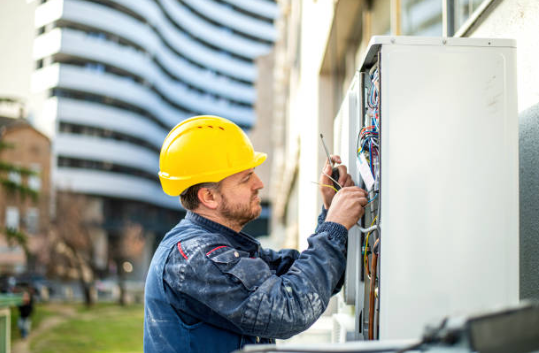
Should the Outside Fan Run When the AC Is On?
Yes. The outdoor fan should run whenever your air conditioner is actively cooling your home. The fan works with the condenser coil to release heat that the system removes from inside your house. Without this airflow, heat remains trapped in the outdoor unit and the air conditioner cannot complete the cooling cycle properly.
When your thermostat signals the system to cool your home, two main components activate in the outdoor unit. The compressor begins circulating refrigerant and the condenser fan starts spinning. The fan pulls air through the condenser coil so the refrigerant can release heat outside.
If the fan is not spinning while the compressor runs, the system may overheat and shut down or struggle to cool the house. This situation should be addressed quickly to avoid damage to expensive components.
How the Outdoor AC Fan Works
To see why the outdoor fan matters, it helps to look at how an air conditioner removes heat from your home. The cooling process relies on a cycle that moves heat from inside your house to the outside environment.
Indoor Heat Absorption
Warm air inside your home passes through the indoor evaporator coil. Refrigerant inside the coil absorbs this heat and carries it through the system. The cooled air then circulates back through your home.
Heat Transfer to the Outdoor Unit
Once the refrigerant absorbs heat indoors, it travels to the outdoor condenser unit. At this point, the refrigerant carries the heat that was removed from your living space.
Role of the Outdoor Fan
The condenser coil releases the collected heat outdoors. The fan pulls air through the coil so the heat can dissipate into the outside air. Without airflow from the fan, the condenser coil cannot release heat effectively.
This airflow allows the refrigerant to cool down and continue the cycle. When the fan stops working, the system struggles to remove heat and the cooling process slows or stops.
What Happens If the Outside Fan Stops Running
If the outdoor fan stops spinning while the air conditioner runs, several problems can occur. These issues often appear gradually before homeowners realize something is wrong.
Reduced Cooling Performance
Without airflow through the condenser coil, heat remains trapped inside the outdoor unit. This prevents the refrigerant from cooling properly and limits the system’s ability to produce cold air. You may notice that the air conditioner runs longer but the house still feels warm.
Higher Energy Bills
When the system struggles to release heat, it must work harder to cool the home. Longer run times increase electricity usage, which leads to higher energy bills. Many homeowners first notice a fan problem after seeing an unexpected increase in monthly utility costs.
Compressor Overheating
The compressor is one of the most expensive components in an HVAC system. It relies on proper heat release from the condenser coil. If the fan stops spinning, heat builds up inside the unit and the compressor may overheat. This can shorten its lifespan or cause a complete failure.
System Shutdown
Many modern air conditioners include safety features that shut the system down if temperatures inside the condenser become too high. While this protects the equipment, it also leaves your home without cooling until the issue is resolved.
5 Common Reasons the Outside Fan Is Not Running
Several mechanical and electrical problems can prevent the condenser fan from spinning. Some issues are minor, while others require professional repair.
1. Failed Capacitor
The capacitor provides the electrical boost that helps start the fan motor and keep it running. If the capacitor fails, the motor may not receive enough power to start.
Capacitors are among the most common reasons outdoor AC fans stop working. In many cases, replacing the capacitor restores normal operation.
2. Faulty Fan Motor
The fan motor is responsible for spinning the blades that move air through the condenser. Over time, motors can wear out due to heat, friction, or electrical strain.
A failing motor may produce grinding sounds, spin slowly, or stop completely. When this happens, the motor usually needs replacement.
3. Electrical Issues
Loose wiring, damaged connectors, or tripped breakers can interrupt the power supply to the fan motor. Electrical problems can occur after storms, power surges, or years of normal wear on the system.
Electrical repairs should always be handled by trained HVAC professionals to avoid safety risks.
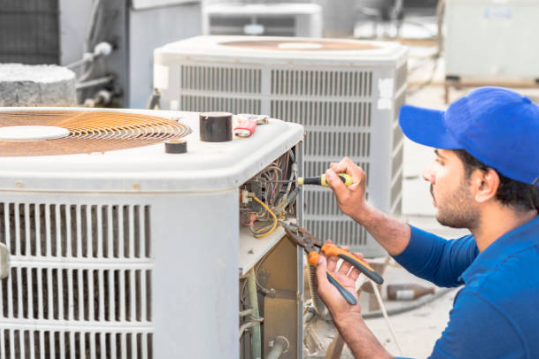
4. Debris Blocking the Fan
Outdoor condenser units are exposed to leaves, grass clippings, and other debris. If these materials accumulate inside the unit, they can block the fan blades or restrict airflow.
Routine cleaning and maintenance help prevent debris related issues.
5. Contactor Failure
The contactor acts as a switch that controls the flow of electricity to the outdoor unit components. When the thermostat calls for cooling, the contactor sends power to the compressor and fan motor.
If the contactor fails, the fan may not receive power even though the thermostat signals the system to run.
4 Signs Your Outdoor AC Fan Is Having Problems
Sometimes the fan still spins but shows warning signs that something is wrong. Recognizing these early symptoms can help prevent a complete system failure.
1. Weak Airflow Around the Outdoor Unit
If you stand near the condenser unit and feel little or no airflow coming from the top, the fan may not be operating correctly. Weak airflow often indicates motor or capacitor issues.
2. Unusual Noises
Grinding, buzzing, or rattling sounds from the outdoor unit can signal mechanical problems. These noises may occur when the fan motor struggles to turn the blades.
3. Fan Starts Then Stops
If the fan begins spinning and then shuts off shortly after, the motor may be overheating or the capacitor may be failing. This type of behavior often appears before a complete breakdown.
4. Home Not Cooling Properly
One of the most noticeable signs is a home that remains warm even though the air conditioner appears to be running normally.
When the fan cannot remove heat efficiently, the system cannot deliver consistent cooling.
How to Check If Your Outside AC Fan Is Working
Homeowners can perform a few simple observations to see if the outdoor fan is functioning properly. These steps do not require tools and can help determine if professional service is needed.
Look at the Outdoor Unit
When the air conditioner is running, the fan blades on top of the condenser should spin continuously. If they remain still, the fan may have a mechanical or electrical problem.
Listen for the Motor
You should hear the sound of the motor along with air moving through the unit. If the system is silent while the compressor runs, the fan motor may not be receiving power.
Inspect for Debris
Check the condenser unit for leaves, dirt, or branches that may obstruct the fan blades. Clearing visible debris can restore airflow in some cases.
Feel for Warm Air
Air blowing from the top of the condenser unit should feel warm because the system is releasing heat removed from your home. If no air is coming out, the fan may not be operating.
If you notice the fan not spinning, it is best to turn the system off and contact an HVAC technician.
How Regular Maintenance Prevents Outdoor Fan Problems
Routine HVAC maintenance is one of the most effective ways to prevent outdoor fan issues. During a maintenance visit, technicians inspect the entire cooling system and address small problems before they become major repairs.
Maintenance appointments typically include cleaning the condenser coil, checking the fan motor, and testing electrical components such as capacitors and contactors. Technicians also inspect refrigerant pressure and ensure the fan blades spin freely.
The Air Conditioning Contractors of America recommends professional HVAC maintenance at least once per year. Many homeowners schedule this service in the spring before heavy summer cooling demand begins.
Regular maintenance improves system efficiency, reduces the likelihood of unexpected breakdowns, and helps extend the life of your air conditioner.
Final Thoughts
The outdoor fan plays a crucial role in your air conditioner’s ability to cool your home. It allows the system to release heat through the condenser coil and continue the refrigeration cycle that produces cool air indoors.
When the fan stops spinning, heat builds up in the outdoor unit and cooling performance declines quickly. Ignoring this issue can lead to higher energy bills and potential compressor damage.
Paying attention to airflow, unusual sounds, or a fan that fails to spin can help identify problems early. Routine maintenance and prompt repairs keep your HVAC system operating efficiently and ensure your home stays comfortable throughout the hottest months of the year.
If your outside AC fan is not running or your air conditioner is struggling to keep your home cool, it may be time to have the system inspected by a professional.
At A/C Man Heating and Air, we have years of experience diagnosing and repairing air conditioning problems for homeowners throughout Fayetteville and nearby communities. Our technicians carefully inspect the outdoor unit, identify the exact cause of the issue, and restore your system so it runs safely and efficiently again.
Call A/C Man Heating and Air today at (910) 797-4287 to schedule professional AC repair in Fayetteville and get your cooling system running reliably again.
FAQs
Why is my outside AC unit running but the fan is not spinning?
If the outdoor unit is running but the fan is not spinning, the most common cause is a failed capacitor. The capacitor helps start and run the fan motor. Electrical issues, a faulty motor, or a damaged contactor can also prevent the fan from operating properly.
Can I run my AC if the outside fan is not working?
It is not recommended to run your air conditioner if the outdoor fan is not working. Without the fan, heat cannot escape the condenser coil. This can cause the compressor to overheat and may lead to expensive system damage.
Why does my outdoor AC fan start and then stop?
If the fan starts and stops shortly after, the capacitor may be weak or the motor may be overheating. Electrical problems or internal safety protections can also shut the fan down to prevent further damage to the system.
How do I know if my AC fan motor is bad?
A failing fan motor may produce grinding noises, spin slowly, or stop working entirely. In some cases the fan may start with difficulty or shut off quickly after starting. If these signs appear, a technician should inspect the motor.
How much does it cost to repair an outdoor AC fan?
Repair costs depend on the specific problem. Replacing a capacitor is usually less expensive than replacing the entire fan motor. A professional inspection can determine the exact issue and provide a clear estimate for the repair.
Should the outside AC fan run continuously?
The outdoor fan should run whenever the air conditioner is actively cooling your home. Once the thermostat reaches the desired temperature and the cooling cycle ends, the fan will stop along with the compressor.
What should I do if my outside AC fan stops working?
If you notice the fan not spinning while the system is running, turn off the air conditioner to prevent overheating. Check for visible debris around the unit, but contact a professional HVAC technician to inspect electrical components or the fan motor safely.