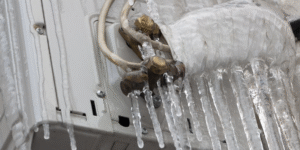
You wake up in the middle of summer, expecting a cool blast from your AC, but instead, it’s warm air. You walk to the unit and notice ice coating the copper lines or the indoor coil. It’s confusing because the weather outside is scorching, yet your air conditioner looks like it belongs in a freezer.
When an AC freezes, it isn’t a one-off glitch; it’s a sign that something inside the system is off balance. Ice buildup can happen for a few simple reasons, but each one can snowball into bigger damage if ignored. The frozen coil blocks airflow, the compressor strains to work harder, and energy efficiency plummets. Left unchecked, it can cause permanent damage to the system’s most expensive parts.
In this post, we’ll talk about why ACs freeze, how to tell when it’s happening, and what you can safely do before calling in the pros. By the end, you’ll know exactly how to keep your system running smoothly and ice-free, all season long.
Why Air Conditioners Freeze
An air conditioner freezes when its evaporator coil gets too cold. Normally, warm indoor air passes over the coil, transferring heat to the refrigerant inside. But when airflow slows down or the refrigerant level drops, temperatures dip below freezing. Moisture in the air condenses on the coil and turns to ice. As the ice spreads, it restricts airflow even more, which accelerates the freezing process.
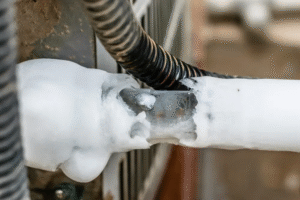
Once that happens, your system stops cooling effectively. You may hear strange noises, notice water leaking as the ice melts, or even smell something musty from the frozen drain pan.
1. Poor Airflow Inside the System
Reduced airflow is the number one reason for a frozen AC. The system relies on a steady stream of warm air passing over the evaporator coil to maintain proper temperature balance. When that flow is restricted, the coil can get too cold, and condensation freezes on contact.
Airflow problems usually start with neglected filters, blocked return vents, or furniture pressed too close to the intake. Even closing too many supply vents can restrict air circulation enough to trigger a freeze-up. Over time, the lack of airflow stresses the blower motor, increases energy use, and shortens the system’s lifespan.
2. Dirty or Blocked Evaporator Coil
Another common cause of freezing is dirt and debris buildup on the coil itself. When dust accumulates on the coil’s thin metal fins, it acts like insulation, preventing heat transfer. That makes the coil colder than intended, and moisture in the air freezes instead of evaporating.
A dirty coil doesn’t happen overnight. It develops gradually as indoor dust, pet hair, and other airborne particles pass through your system. Once the layer thickens, airflow becomes restricted, and ice begins to form. Regular professional maintenance is the best defense against this, as it includes deep coil cleaning and performance checks.
3. Low Refrigerant or Refrigerant Leak
Your AC’s refrigerant plays a vital role in heat exchange. When levels drop due to a leak or improper charge, the pressure inside the system decreases. That lower pressure causes the refrigerant temperature to fall below freezing, and the evaporator coil begins to ice over.
You might notice hissing sounds, warm air from the vents, or water pooling under the unit after thawing. These are all indicators of a refrigerant issue. It’s not something you can fix on your own; only a licensed technician can locate leaks, repair them, and recharge the system safely.
4. Mechanical or Electrical Failures
Even with good airflow and proper refrigerant levels, a failing part can cause the system to freeze. A weak blower motor might not push enough air across the coil, a stuck relay could leave the compressor running too long, or a thermostat malfunction might fail to shut off the system at the right time.
When any of these occur, the balance between air circulation, temperature, and pressure is disrupted, and the evaporator coil gets cold enough to freeze. Routine inspections and early diagnostics can catch these small malfunctions before they lead to bigger system failures.
5. Blocked or Closed Vents
It’s tempting to close vents in rooms you don’t use often, thinking it’ll save energy. Unfortunately, that can backfire. When airflow is redirected unevenly, pressure builds up in the ductwork and reduces circulation across the coil. That imbalance can lower coil temperature enough for freezing to begin.
Keeping all vents at least partially open helps maintain consistent airflow and system pressure. If you’re dealing with uneven temperatures between rooms, a zoning system might be a better long-term solution than closing vents.
How to Know If Your AC Is Frozen
You don’t always need to open the system to know it’s freezing. Early signs are easy to spot if you pay attention. Weak or no airflow from vents is usually the first clue. You might also hear hissing or bubbling noises, notice ice on the copper lines near the air handler, or see water dripping as the ice melts.
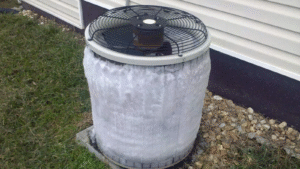
If your AC runs constantly without cooling or shuts off unexpectedly, freezing could already be affecting system performance. Ignoring these signs can lead to serious compressor damage, so it’s best to shut it off and investigate as soon as possible.
What to Do If Your AC Freezes
If you find ice on your unit, start by turning off the system completely. Let it thaw naturally for several hours. Running a frozen AC only worsens the problem and risks burning out components. Once it’s off, switch the thermostat to “fan only” mode to speed up the melting process.
After thawing, inspect and replace the air filter. Check that vents are open and unobstructed. If the ice returns shortly after restarting, it’s time for professional help. Continued freezing after basic checks almost always means a refrigerant or mechanical issue that needs a technician’s attention.
Preventing AC Freeze-Ups
Preventive maintenance is the best way to keep your system from freezing. Change your filters regularly, keep vents open, and schedule professional tune-ups twice a year. During these visits, technicians will clean the coils, inspect refrigerant levels, and test airflow and electrical components.