
Why Is My AC Fan Not Spinning? Common Causes & Fixes
You turn on your air conditioner expecting a rush of cool air, but something feels off. Maybe the house is not cooling the way it should, or you step outside and notice the fan on the outdoor unit sitting completely still. When the AC fan is not spinning, it usually means the system cannot move heat out of your home properly.
The fan inside your air conditioning system plays a key role in the cooling cycle. Without it, the air conditioner struggles to release heat, and the entire system can become stressed. In some situations the system may still try to run, which can lead to bigger mechanical problems if the issue is ignored.
If you have noticed a fan that will not spin, keep reading to learn what could be causing the problem, what signs to watch for, and when it is time to call an HVAC technician.
Key Takeaways
- If your AC fan is not spinning, the system cannot remove heat effectively from your home.
- Common causes include capacitor failure, fan motor problems, electrical issues, or blocked fan blades.
- A non-working fan can cause the air conditioner to overheat or struggle to cool the house.
- Turning the system off can prevent further damage while the issue is inspected.
- Professional diagnosis helps identify the exact problem and restore proper cooling.
Why Is My AC Fan Not Spinning
When your AC fan is not spinning, it usually means one of the system’s components has failed or airflow has been restricted. The fan is responsible for moving air across the condenser coil so the air conditioner can release heat outdoors.
If the fan stops moving, the system may still attempt to run. However, without airflow through the condenser, heat builds up inside the unit. This makes it difficult for the air conditioner to cool your home and can place strain on the compressor.
In many cases the cause is a worn electrical component or a mechanical issue with the fan motor. Sometimes the problem is simple, such as debris blocking the blades. Other times it requires professional repair.
What the AC Fan Actually Does
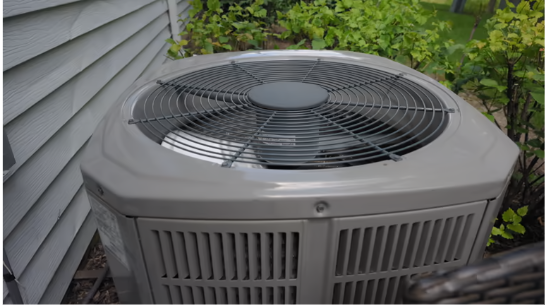
Before looking at possible problems, it helps to know how the fan works in the cooling process. Your air conditioner removes heat from inside your home and releases it outdoors. The outdoor unit contains a condenser coil where this heat is discharged. The fan pulls outside air across that coil, allowing the heat to escape.
Without the fan moving air through the condenser, the heat stays trapped inside the system. This prevents the refrigerant from cooling properly and interrupts the normal cooling cycle.
That is why a non spinning fan often leads to warm air inside the house even though the air conditioner appears to be running.
5 Common Reasons an AC Fan Stops Spinning
Several different problems can cause the fan in an air conditioning system to stop spinning. Some are electrical, while others involve mechanical wear or airflow restrictions.
1. Failed Capacitor
The capacitor provides the electrical boost that starts the fan motor and keeps it running. When the capacitor fails, the motor may not receive enough power to start spinning.
In some cases the fan may attempt to start and then stop quickly. This behavior often points to a weak or damaged capacitor.
2. Worn Fan Motor
The fan motor turns the blades that move air through the condenser unit. Over time this motor can wear out due to heat, dust, or normal use.
A failing motor may spin slowly, make grinding sounds, or stop working completely. Once the motor reaches the end of its lifespan, replacement is usually necessary.
3. Electrical Problems
Loose wiring, damaged connectors, or tripped breakers can interrupt the flow of electricity to the fan motor. These problems may occur after storms, power outages, or years of electrical wear inside the system. Electrical issues should always be inspected by trained technicians.
4. Debris Blocking the Fan
Outdoor condenser units are exposed to leaves, sticks, and dirt. If debris builds up inside the unit, it can physically block the fan blades from spinning. Even small obstructions can prevent the motor from turning the fan properly.
5. Contactor Failure
The contactor controls the flow of electricity to major components in the outdoor unit. If the contactor fails, the fan may not receive power when the system turns on. This part experiences frequent electrical cycling and can wear out over time.
4 Signs the Fan Problem Is Getting Worse
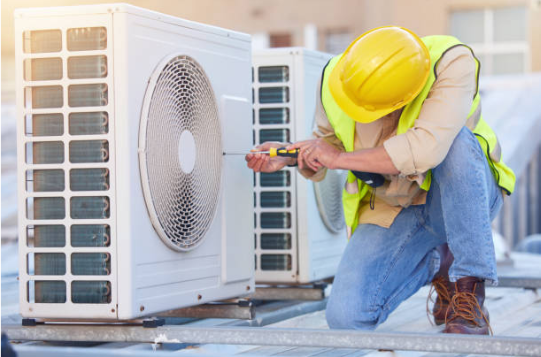
Sometimes the fan does not stop suddenly. Instead, the system may show warning signs before a complete failure occurs.
1. The Air Conditioner Runs but the House Stays Warm
If the thermostat is set correctly but the house does not cool down, the outdoor fan may not be removing heat effectively.
2. Unusual Sounds from the Outdoor Unit
Grinding, rattling, or buzzing noises often signal motor or electrical problems.
3. The Fan Starts Then Stops
If the fan spins briefly and then stops, the motor may be overheating or the capacitor may be failing.
4. Weak Airflow Around the Outdoor Unit
Standing near the condenser unit should reveal strong airflow from the top. If airflow feels weak or nonexistent, the fan may not be functioning correctly. Recognizing these signs early can help prevent more expensive repairs later.
What You Can Check Before Calling for Service
While many fan problems require professional repair, there are a few simple observations homeowners can make before scheduling service.
1. Look at the Outdoor Unit
Turn on the air conditioner and observe the condenser unit. The fan blades should spin continuously while the system is cooling.
2. Listen for the Fan Motor
A running fan motor produces a steady sound along with airflow from the unit. If the system runs silently or you only hear the compressor, the fan may not be operating.
3. Inspect for Debris
Check the unit for leaves, branches, or dirt that may block the fan blades. Clearing visible debris can sometimes restore airflow.
4. Feel the Airflow
Air blowing from the top of the condenser should feel warm. This indicates the system is releasing heat from inside your home.
If the fan still does not spin after these checks, it is best to turn off the system and contact a professional technician.
When to Call an HVAC Professional
Some AC issues can be spotted visually, but repairing them safely requires specialized tools and training.
You should contact an HVAC technician if the fan does not spin when the system turns on or if it stops after starting. Unusual noises, electrical smells, or repeated system shutdowns also require professional inspection.
Technicians have the equipment needed to test capacitors, inspect wiring, and evaluate fan motors safely. They can also confirm whether the compressor has been affected by the fan failure. Addressing the issue early helps prevent larger repairs and restores proper cooling more quickly.
How Maintenance Helps Prevent Fan Problems
Routine maintenance is one of the most effective ways to reduce the risk of fan failures.
During a maintenance visit, technicians inspect the condenser unit, clean debris from the coil, test electrical components, and check the condition of the fan motor. This process helps identify worn parts before they fail completely.
Maintenance also keeps airflow clear around the condenser, allowing the fan to operate without obstruction.
Homeowners who schedule regular HVAC maintenance often experience fewer unexpected breakdowns and more consistent cooling throughout the summer.
Fayetteville Homeowner’s AC Fan Stopped Spinning – Here’s What Happened
A homeowner near Cliffdale Road in Fayetteville recently noticed their house was not cooling the way it normally did during the afternoon. The thermostat was set to the usual temperature, but the indoor air felt warm and the air conditioner seemed to run constantly.
When the homeowner walked outside to check the unit, they saw the condenser fan sitting still while the system was trying to run. Concerned about the rising indoor temperature, they contacted the A/C Man Heating and Air team for an inspection.
Our technician arrived that same day and began checking the outdoor unit. After testing the electrical components, the problem became clear. The capacitor that powered the fan motor had failed, preventing the motor from starting.
The technician replaced the faulty capacitor, inspected the fan blades, and tested the system to confirm normal operation. Within minutes the fan was spinning again and the air conditioner returned to proper cooling.
This situation shows how a small component failure can quickly affect home comfort. Catching the issue early allowed the homeowner to avoid more serious damage to the compressor.
On A Final Note;
When your AC fan stops spinning, the air conditioner cannot release heat effectively. This can lead to poor cooling performance and additional strain on the system. While the cause may be something small like a capacitor, ignoring the problem can lead to larger repairs.
Paying attention to airflow, unusual noises, or a fan that refuses to spin can help catch the issue early. If your home is not cooling properly or the outdoor unit fan is not moving, professional inspection can identify the cause and restore your system’s performance.
Keeping your air conditioner maintained and addressing small problems quickly helps ensure your home stays comfortable even during the hottest days of the season.
If your AC fan is not spinning or your air conditioner is not cooling properly, contact A/C Man Heating and Air at (910) 797-4287 for professional inspection and repair in Fayetteville. Our experienced technicians can diagnose the issue and restore reliable cooling so your home stays comfortable when temperatures rise.
FAQs
Why is my AC fan not spinning but the unit is running?
If the AC unit is running but the fan is not spinning, the most common cause is a failed capacitor. The capacitor helps start the fan motor. Other possible causes include a worn motor, electrical wiring issues, or a faulty contactor.
What should I do if my AC fan is not spinning?
If the fan is not spinning, turn off the air conditioner to prevent overheating or compressor damage. Check the outdoor unit for debris blocking the fan blades. If the fan still does not move, contact an HVAC technician to inspect the system.
Can a bad capacitor cause the AC fan to stop spinning?
Yes. A bad capacitor is one of the most common reasons an AC fan stops spinning. The capacitor provides the electrical boost needed to start the motor. When it fails, the fan motor may not receive enough power to begin rotating.
Why does my AC fan spin slowly or struggle to start?
A fan that spins slowly or struggles to start often indicates a weak capacitor or a motor that is wearing out. Electrical problems or buildup inside the motor can also prevent it from running at full speed.
Will the AC still cool if the fan is not working?
The system may attempt to run, but cooling will be poor because heat cannot escape the condenser coil. Running the AC without the fan working can cause the compressor to overheat and may lead to expensive repairs.
How do I know if my AC fan motor is bad?
Signs of a failing fan motor include grinding noises, overheating, slow spinning blades, or a fan that stops unexpectedly. If these symptoms appear, a technician should inspect the motor and electrical components.