
7 Furnace Maintenance Tips to Keep Your Home Warm and Efficient
A furnace plays a central role in keeping your home comfortable during colder months, yet many homeowners only think about maintenance when something goes wrong.
By the time a problem becomes obvious, the system has often been under strain for a while.
Furnace maintenance helps protect efficiency, safety, and long term performance by keeping key components clean, adjusted, and operating as intended.
Small issues that are ignored can gradually affect airflow, heating consistency, and overall reliability, especially during peak heating demand.
These seven furnace maintenance tips focus on practical steps you can take to improve system performance and reduce the chance of unexpected breakdowns.
Understanding how routine care supports your furnace makes it easier to stay ahead of problems and keep your home comfortable throughout the heating season.
Keep reading to learn how consistent furnace maintenance helps prevent avoidable issues and supports dependable heating.
Key Takeaways
- Regular furnace maintenance helps prevent avoidable breakdowns and heating disruptions.
- Simple tasks like filter changes and vent checks support consistent system performance.
- Early attention to small issues reduces repair risk and protects system lifespan.
- Professional maintenance improves safety and confirms proper furnace operation.
- Staying proactive helps your furnace perform reliably through the heating season.
Why Furnace Maintenance Matters for Homeowners
Furnace maintenance improves system reliability and helps prevent unexpected heating interruptions. A well maintained furnace operates more efficiently and responds better to temperature changes throughout the season.
When maintenance is ignored, internal components wear down faster and airflow becomes restricted.
Homeowners often overlook maintenance because the furnace still runs. However, a running system does not always mean a healthy system.
Minor issues such as dust buildup, loose connections, or sensor problems reduce performance long before failure occurs. Addressing these issues early supports consistent heating and reduces long term costs.
Regular furnace maintenance also plays a role in household safety. Inspections help identify potential hazards such as faulty electrical connections or ventilation issues. These checks provide peace of mind and help ensure your furnace operates safely.
7 Furnace Maintenance Tips
Proper furnace care does not have to be complicated. Small, consistent actions can make a noticeable difference in how your system performs and how reliable it feels throughout the heating season.
The tips below focus on practical steps that help you protect comfort, avoid unnecessary issues, and keep your system operating as it should.
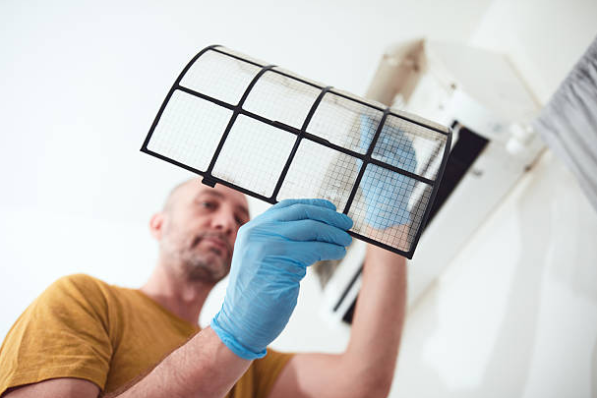
Tip 1: Replace or Clean Furnace Air Filter Regularly
Air filters protect the furnace by trapping dust and debris before air enters the system. A clean filter allows proper airflow and helps the furnace operate efficiently.
When filters become clogged, airflow drops and the furnace works harder to push air through the system. This extra strain increases wear on internal components and can lead to overheating. Replacing or cleaning filters on a regular schedule helps prevent these issues and supports steady heating.
Most homeowners benefit from checking filters every one to three months during heating season. Homes with pets or higher dust levels may require more frequent changes. This simple task is one of the most effective ways to support furnace performance.
Tip 2: Keep Vents and Registers Clear and Open
Vents and registers distribute heated air throughout your home. Clear airflow allows the furnace to maintain balanced temperatures and operate as designed.
Blocked vents restrict airflow and cause pressure changes inside the system. This imbalance can lead to uneven heating, frequent cycling, and unnecessary stress on components. Furniture, rugs, or closed registers often cause these issues without homeowners realizing it.
Keeping vents open and unobstructed helps your furnace deliver heat evenly. This improves comfort and reduces the likelihood of airflow related problems. A quick walk through your home to check vents can prevent performance issues.
Tip 3: Schedule maintenance With Annual Professional Furnace Inspections
Professional furnace inspections identify issues that homeowners cannot see. A trained technician inspects internal components, tests safety controls, and confirms proper operation.
Annual inspections often catch worn parts, airflow problems, or efficiency losses before they cause system failure. Early detection reduces repair costs and helps prevent emergency breakdowns during cold weather. Inspections also help ensure your furnace meets safety standards.
Scheduling an inspection before peak heating season gives you time to address any concerns without urgency. Professional evaluations provide clarity and help homeowners plan maintenance or repairs confidently.
Tip 4: Monitor Unusual Noises and Performance Changes
Furnace noises and performance changes often signal developing problems. Rattling, buzzing, or squealing sounds usually indicate loose parts or mechanical wear.
Performance changes such as uneven heating, longer run times, or delayed ignition suggest internal issues that require attention. Ignoring these signs allows problems to worsen and increases repair complexity.
Paying attention to how your furnace sounds and performs helps you catch issues early. Reporting changes promptly often leads to simpler repairs and less disruption to your home comfort.
Tip 5: Keep the Area Around the Furnace Clean
The area surrounding your furnace affects both safety and performance. Clear space allows proper airflow and reduces fire risks.
Clutter near the furnace can block air intake or interfere with ventilation. Dust and debris buildup around the unit may also enter the system and affect internal components. Keeping the area clean supports safe operation and reduces contamination risks.
Most manufacturers recommend maintaining clear space around the furnace. Removing stored items and keeping the area tidy helps protect both the system and your home.
Tip 6: Check Thermostat Settings and Calibration
The thermostat controls how often and how long your furnace runs. Proper settings help maintain comfort without unnecessary energy use.
Incorrect calibration causes the furnace to cycle too frequently or run longer than needed. This increases wear and raises heating costs. Checking thermostat accuracy ensures the system responds correctly to temperature changes.
Upgrading older thermostats or adjusting settings improves efficiency and comfort. Even small changes in calibration can lead to noticeable improvements in performance.
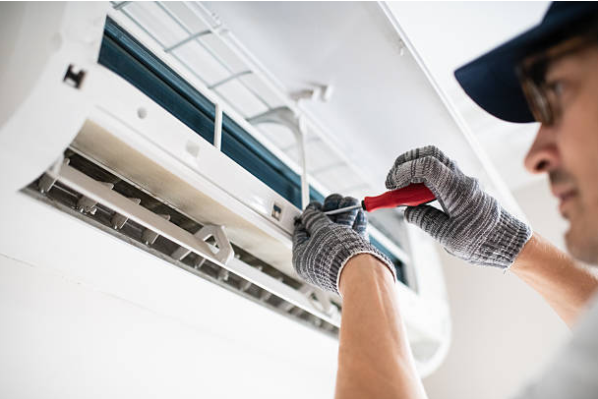
Tip 7: Address Small Issues Before They Become Repairs
Small furnace issues rarely fix themselves. Minor problems often signal larger concerns developing inside the system.
Delaying attention allows wear to spread to other components. What starts as a simple adjustment can turn into a costly repair if ignored. Proactive maintenance helps contain issues before they escalate.
Responding early extends system lifespan and supports dependable heating. Homeowners who address small concerns promptly often avoid unexpected breakdowns and higher repair costs.
When to Call a Furnace Maintenance Professional
A furnace maintenance professional provides expertise that goes beyond basic homeowner tasks. Technicians diagnose internal issues, test safety controls, and confirm the system is operating as intended to support safe and reliable heating.
Certain tasks such as electrical inspections, combustion checks, and internal cleaning require professional tools and proper training. Attempting this type of work without experience can create safety risks or lead to further damage inside the system.
If you notice performance changes, unusual noises, or you have gone more than a year without service, it is a good time to schedule professional maintenance.
Fayetteville HVAC provides furnace maintenance services designed to help homeowners catch issues early and keep heating systems operating smoothly.
Working with a trusted local team helps ensure maintenance is completed correctly and safely, giving you confidence through the heating season.
Wrapping Up;
Furnace maintenance supports comfort, efficiency, and long term reliability. Simple steps such as filter changes and vent checks combine with professional inspections to protect system performance.
Staying attentive to warning signs and addressing issues early helps prevent breakdowns and costly repairs. A consistent maintenance approach allows your furnace to operate safely and efficiently through every heating season.
FAQs
How often should a furnace be professionally maintained?
A furnace should be professionally maintained once a year, ideally before the heating season begins. Annual maintenance helps ensure safe operation, consistent heating, and early detection of issues that could lead to breakdowns if left unaddressed.
Can homeowners perform furnace maintenance themselves?
Homeowners can handle basic tasks like changing air filters and keeping vents clear. Internal inspections, electrical checks, and combustion testing should be left to trained professionals to avoid safety risks and potential system damage.
What happens if furnace maintenance is skipped?
Skipping furnace maintenance can lead to reduced performance, uneven heating, and higher risk of unexpected repairs. Over time, neglected systems experience more wear on components and may develop issues that shorten overall system life.
Does furnace maintenance help with energy efficiency?
Yes, furnace maintenance helps the system operate more efficiently by ensuring proper airflow and component function. A well maintained furnace does not have to work as hard to heat the home, which supports consistent performance.
When should I contact a professional for furnace maintenance?
You should contact a professional if it has been more than a year since your last service, if you notice unusual noises, or if heating performance has changed. Fayette HVAC offers professional furnace maintenance to help homeowners keep systems running safely and reliably.