
Your air conditioner works hard during summer, running constantly to keep your home cool and comfortable. Most homeowners forget about their AC until it stops working, usually on the hottest day of the year.
That’s when a $200 maintenance visit turns into a $2,000 repair bill. The truth is simple: a little preventive care keeps your system running smoothly, saves you money on energy bills, and keeps you from sweating through a breakdown.
A regular AC maintenance checklist includes homeowner tasks like replacing filters every one to three months, clearing debris from your outdoor unit, and checking for warning signs.
Professional maintenance twice a year catches bigger issues early, improves your system’s efficiency by up to 30 percent, and extends your AC’s lifespan by years. Start with the DIY tasks, and call an AC professional if you notice weak airflow, rising energy bills, or unusual sounds.
Key Takeaways
- Regular AC maintenance keeps your system efficient, reduces energy costs, and prevents unexpected breakdowns during peak summer heat
- Simple homeowner tasks like changing filters and clearing debris help improve airflow and system performance consistently
- Professional inspections catch hidden issues early, preventing expensive repairs and extending the lifespan of your HVAC system
- Warning signs like weak airflow, warm air, or unusual noises should never be ignored or delayed
- Acting early on small issues helps avoid major system failures and keeps your home consistently comfortable year-round
Why Regular AC Maintenance Matters
Neglected air conditioning systems work harder and fail faster. When maintenance is skipped, your system can only cool with more strain, consuming more electricity and wearing out components prematurely.
The benefits of regular maintenance are real. According to the Department of Energy, a well-maintained AC system runs more efficiently, reducing your cooling costs. Professional maintenance can lower your utility bills by 10 to 30 percent, and some systems save as much as 15 to 20 percent on energy consumption when properly tuned.
Beyond cost savings, regular tune-ups extend your system’s lifespan by up to 40 percent, which can mean the difference between replacing your AC in 10 years versus 15 or more.
Peak summer demand is when most AC breakdowns happen. A system that’s been neglected all spring arrives in July unprepared for the workload, and that’s when failures cascade. Preventive care stops this before it starts.

AC Maintenance Checklist for Homeowners
These are tasks you can do yourself without special tools or expertise. Spend 15 to 30 minutes every month on these items, and your system will reward you with years of reliable cooling.
1. Keep the Outdoor Unit Clear
Your outdoor condenser unit needs airflow to work properly. Leaves, grass clippings, dirt, and debris accumulate around the unit and restrict the airflow it needs to release heat outdoors.
Check your outdoor unit once a month during the cooling season. Remove any leaves, twigs, or debris blocking the fins. Trim grass and plants around the unit so there’s at least two feet of clearance on all sides. If you find heavy debris buildup inside the unit, don’t try to clean the internal components yourself. Turn off the system and call a professional to avoid damaging delicate fins.
2. Replace or Clean Air Filters
Your air filter catches dust, pollen, pet dander, and other particles before they circulate through your home. A clogged filter forces your system to work harder to pull air through, and that extra strain wastes energy and strains the blower motor.
Replace or clean your filter every one to three months. If you have pets, allergies, or a dusty environment, change it monthly. The type of filter you use matters too. Standard fiberglass filters last about 30 days, while pleated filters can last up to 90 days. A clean filter reduces your air conditioner’s energy consumption by up to 15 percent, and that savings adds up across the season.
Mark your calendar for filter changes. Most people forget until their system starts running louder or cooling worse. Setting a recurring reminder prevents that problem.
3. Check for Unusual Sounds or Smells
Your AC should run relatively quietly. Grinding, squealing, buzzing, or hissing sounds are warning signs that something is wrong.
Grinding or squealing often indicates a mechanical failure, such as a failing motor or worn bearing. Buzzing can signal loose wiring, a failing capacitor, or debris in the outdoor unit. Hissing is a more serious sign and usually means a refrigerant leak. If you hear any of these sounds, turn off your system and contact a professional. Don’t ignore them hoping they’ll go away.
Smell matters too. A burning or chemical smell coming from your vents suggests an electrical issue or a failing component. A musty smell could indicate mold growing in your ductwork or a clogged drain line. These aren’t problems to solve on your own.
4. Inspect Thermostat Settings
Your thermostat controls when your system runs and how much cooling you get. Modern thermostats are more efficient, but older manual units waste energy by running longer than needed.
Check that your thermostat is set to cool mode during the summer and that the temperature setting makes sense for your comfort and budget. Most experts recommend 78 degrees while you’re home and awake, with slightly higher temperatures when you’re away or sleeping. Every degree you raise your thermostat can reduce cooling costs by 1 to 3 percent.
If you have an older manual thermostat, consider upgrading to a programmable or smart thermostat. A smart model learns your schedule and adjusts cooling automatically, often reducing your energy use without sacrificing comfort.
5. Clean Vents and Registers
Dust and debris accumulate on your vents and registers, blocking airflow and making your system less efficient.
Walk through your home and visually inspect all return vents and supply registers. Wipe them with a damp cloth to remove dust. Make sure furniture, curtains, or other objects aren’t blocking airflow. Blocked vents force your system to work harder to maintain the temperature you’ve set.
6. Check Drain Line for Blockages
Your air conditioner removes moisture from the air as it cools. That moisture drains through a small condensate line, typically near your indoor unit. Over time, algae, dirt, and debris can clog this line, causing water to back up.
Listen for unusual sounds near your indoor unit or look for water pooling around it. If you notice musty smells coming from your vents, your drain line might be blocked. To maintain the drain line, flush it annually with a mixture of water and bleach according to your system’s manual. A clogged drain line can shut your system down automatically as a safety measure, leaving you without cooling on the hottest day.
Seasonal AC Maintenance Checklist
Breaking maintenance into seasons keeps you on track and ensures your system is ready when you need it most.
Spring Preparation
Before the cooling season starts, give your system attention. Clean your outdoor unit and clear any debris from winter. Replace your air filter if it hasn’t been changed recently. Turn on your system for a short test run to make sure it’s cooling properly and not making odd sounds. Spring is the perfect time to schedule a professional tune-up before demand spikes in summer.
Mid-Summer Check
During peak cooling season, monitor your system’s performance. Is your home staying as cool as it should? Are your energy bills higher than last summer. Check your vents for dust and ensure nothing is blocking return air. If you notice your system running constantly or cycling on and off frequently, contact a professional.
End-of-Season Maintenance
As the weather cools in fall, do a final inspection of your outdoor unit. Clean any leaves or debris that have accumulated. Check all vents and registers one more time. This is a good time to schedule fall maintenance if you haven’t already.
Professional AC Maintenance Checklist
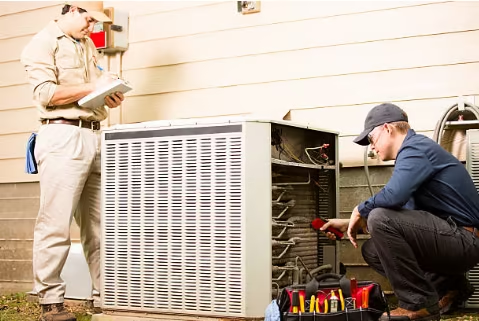
These tasks require tools, training, and sometimes certifications. Schedule professional maintenance at least once yearly, ideally in spring before summer cooling demand.
Inspect and Clean Coils
Your AC has two sets of coils: the evaporator coil inside and the condenser coil outside. Over time, both coils collect dirt and algae, reducing their efficiency. Clean condenser coils improve cooling efficiency by as much as 30 percent. A professional has specialized tools to clean these coils safely without damaging delicate fins.
Check Refrigerant Levels
Refrigerant is the cooling fluid that allows your air conditioner to remove heat from your home. If levels are low, your system struggles to cool, runs longer than it should, and uses more energy. Low refrigerant also suggests a leak that needs repair. Only a licensed technician should handle refrigerant work.
Inspect Electrical Components
Your AC system has wiring, capacitors, contactors, and other electrical parts. A professional checks these components for corrosion, loose connections, and signs of wear. Catching electrical issues early prevents unexpected breakdowns and safety hazards.
Lubricate Moving Parts
Motors and fan bearings need lubrication to run smoothly. A professional applies the correct lubricant to prevent wear and reduce strain on these components.
Full System Performance Test
A professional measures airflow, checks cooling output, verifies that your thermostat is communicating properly with the system, and tests safety controls. This comprehensive check reveals issues that homeowners can’t detect on their own.
When to Call a Professional For AC Maintennce
Do not wait for a complete system failure. If your AC starts showing warning signs, A/C Man Heating and Air can step in early and prevent a costly breakdown.
Weak airflow from your vents often points to a clogged filter, blocked ductwork, or a failing blower motor. Warm air instead of cool air signals a deeper issue such as low refrigerant, a failing compressor, or dirty coils that are no longer doing their job.
If your system keeps turning on and off more frequently than normal, it is struggling to maintain the set temperature and working harder than it should. Unusual noises like grinding, squealing, or buzzing indicate internal components are wearing out or already failing.
A sudden increase in your energy bills without any change in usage is a clear sign your system is losing efficiency. Water pooling around your indoor unit usually means a clogged drain line or an internal leak that needs immediate attention.
A/C Man Heating and Air can diagnose these issues quickly and fix them before they turn into expensive repairs or full system replacements. Schedule a professional inspection today and keep your system running the way it should.
Wrapping Up;
Consistency is the key to a long-lasting air conditioning system. Stick to a maintenance schedule so nothing gets forgotten. Avoid overworking your system by setting your thermostat a few degrees higher than the absolute coldest you’d prefer.
Keep your thermostat setting consistent so your system doesn’t cycle excessively. Schedule a professional tune-up every spring before the cooling season arrives. These simple habits prevent most AC problems and keep your system efficient for years.
The difference between a maintained AC system and a neglected one shows up in your energy bills every summer and in your wallet when repairs come due. A few simple tasks spread across the season take minimal effort but deliver real results.
Stay ahead of breakdowns by catching small issues early, keep your home comfortable without worrying about your system failing, and let your AC do its job efficiently. A little preventive care now saves you from stress and expense later. A/C Man’s air conditioning pros can help you keep your system running efficiently with the right preventive care.
FAQs
How often should I replace my air filter?
Replace your air filter every one to three months during the cooling season. If you have pets, high dust levels, or allergies, change it monthly. Mark your calendar or set a phone reminder so you don’t forget.
What does it mean if my AC is making a buzzing sound?
Buzzing often signals loose wiring, a failing capacitor, a struggling condenser fan motor, or debris in your outdoor unit. Turn off your system and contact a professional. Continuing to run the system could cause further damage.
Can I check my refrigerant level myself?
No. Refrigerant handling requires proper tools and a license. If you suspect low refrigerant, contact a professional. They can measure levels, identify any leaks, and refill your system safely.
Is annual AC maintenance worth the cost?
Yes. Professional maintenance prevents costly repairs, improves your system’s efficiency by 10 to 30 percent, and extends your system’s lifespan by years. The cost of an annual tune-up (typically $100 to $300) pays for itself through energy savings and avoided repairs.
What temperature should I set my thermostat to save energy?
78 degrees is a good target when you’re home and awake. Raise it to 82 or higher when you’re away or sleeping. Every degree higher reduces cooling costs by 1 to 3 percent. Use a programmable thermostat to adjust automatically.