
Furnaces and water heaters play very different roles in your home, yet many homeowners mix them up when problems show up. Both use heat, both rely on gas or electricity, and both can affect comfort. The similarities end there.
Understanding how each system works makes it easier to choose the right equipment, troubleshoot issues, and budget for repairs or upgrades. This guide breaks down the clear differences between a furnace and a water heater and explains how each system supports your home every day.
Key Takeaways
- Furnaces heat air while water heaters warm household water.
- Furnaces run seasonally and water heaters run year round.
- Water heaters have shorter lifespans than furnaces.
- Maintenance needs differ for each system.
- Replacement depends on symptoms, safety, and overall condition.
Furnace vs Water Heater
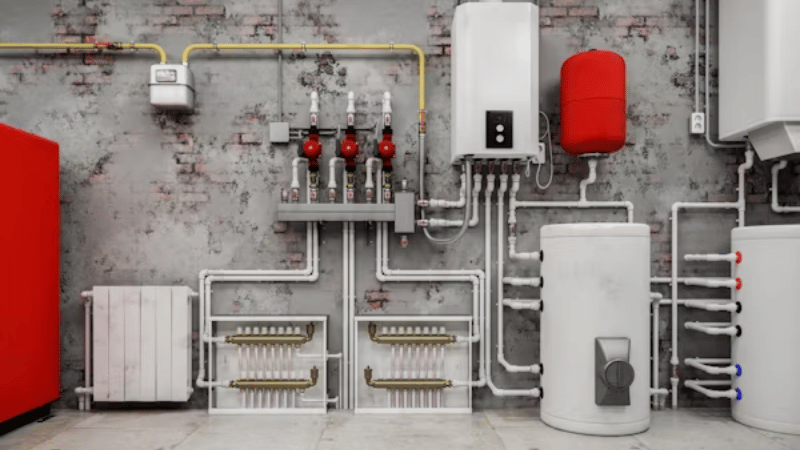
A furnace heats a home by blowing warm air through ductwork, while a water heater heats water for domestic use like showering and washing dishes. They are distinct systems: a furnace is part of a home’s HVAC (heating, ventilation, and air conditioning) system, and a water heater is part of a home’s plumbing system. Therefore, a furnace heats the air for the home, and a water heater heats the water used throughout the home.
Quick Comparison: Furnace vs Water Heater
| Feature | Furnace | Water Heater |
| What it heats | Air for the home | Water for taps and appliances |
| Main purpose | Home heating | Hot water supply |
| Runs during | Cold seasons | All year |
| Fuel options | Gas, propane, oil, electric | Gas or electric |
| Lifespan | Fifteen to twenty years | Eight to twelve years (tank) |
| Common issues | Airflow problems, overheating | Leaks, sediment buildup |
| Comfort impact | Affects indoor temperature | Affects hot water availability |
| Maintenance needs | Annual tune ups | Tank flushing and valve checks |
| Replacement cost | Higher on average | Lower for tank units |
| Risk if it fails | Loss of heat or safety concerns | Water damage or no hot water |
What a Furnace Does
A furnace is designed to heat air. That is its only job. It pulls in cool air from your home, warms it, and pushes it back through the duct system. Furnaces run during cold weather and stay off during warm seasons unless your system includes additional features, such as integrated air handlers for cooling.
Furnaces heat your entire living space. They move large amounts of air through the home quickly, which is why a working furnace makes such a big difference on cold nights. Most homes rely on a central furnace to provide steady, reliable heat for every room.
Furnaces can run on natural gas, propane, oil, or electricity. Gas units are the most common because they provide strong heat output and lower operating costs. Electric furnaces are quieter and often require less maintenance, although they usually cost more to run.
What a Water Heater Does
A water heater warms water for your sinks, showers, dishwasher, laundry, and appliances. It has nothing to do with heating the air inside your home. Water heaters work year round because you never stop using hot water.
There are two main types. A tank style water heater stores a large amount of heated water and replaces it as you use it. Tankless units heat water on demand, which reduces energy waste and offers a continuous supply. Water heaters run on gas or electricity and are built to maintain steady water temperatures without interruption.
Water heaters support everyday activities. Showers, dishes, and laundry all rely on a working water heater. When the system fails, you notice it right away. Unlike furnaces that run mainly in winter, water heaters operate constantly and experience steady wear.
How They Differ in Operation
A furnace heats air. A water heater heats water. That difference determines how they operate, how they are installed, and how they are maintained.
Furnaces rely on ductwork to distribute warm air. They use blowers, heat exchangers, burners, and safety sensors. The entire system is built to handle rapid temperature changes and heavy airflow.
Water heaters rely on tanks, heating elements, burners, and internal insulation. They use pressure valves and thermostats to regulate temperature. Instead of heating and moving air, they focus on heating and storing water safely.
The way each system cycles also differs. Furnaces cycle on and off repeatedly throughout the day based on thermostat settings. Water heaters cycle based on water temperature and usage patterns, which creates a slower but more constant operating rhythm.
Energy Use and Efficiency
Furnaces use more power during the winter because they must heat the entire home. The amount of energy they consume depends on system size, fuel type, duct design, and insulation quality. A well maintained furnace runs efficiently and keeps heating costs under control.
Water heaters use less energy at one time but run more frequently. Even when no one is using hot water, tank style units maintain water temperature throughout the day. Tankless units only heat water when needed, which reduces overall energy use. This often makes tankless systems more efficient in the long run, although the upfront cost is higher.
Efficiency matters because heating and water heating are two of the biggest energy expenses in a home. Choosing the right equipment and maintaining it regularly can lower bills and improve comfort.
Lifespan and Maintenance Needs
Furnaces typically last fifteen to twenty years when they receive annual maintenance. Regular tune ups include cleaning the burners, inspecting the heat exchanger, testing the blower motor, checking safety controls, and verifying airflow. These steps keep the furnace running safely and prevent major breakdowns.
Water heaters have a shorter lifespan. Most tank style units last eight to twelve years. Tankless models can last up to twenty years with proper maintenance. Water heater maintenance focuses on flushing sediment, checking the pressure relief valve, inspecting the anode rod, and confirming safe temperature settings. Without these steps, tanks can corrode or fail prematurely.
A key difference is risk. A failing furnace can shut down or produce carbon monoxide if the heat exchanger cracks. A failing water heater can leak, burst, or cause water damage. Both require immediate attention when problems appear.
Signs It Is Time to Replace Each System
A furnace often shows warning signs before it fails. Homeowners may notice uneven temperatures, loud noises, frequent cycling, or a sudden increase in heating bills. When the furnace begins needing multiple repairs in a short period, replacement becomes the smarter option. Older furnaces also lose efficiency and struggle to keep up with demand.
A water heater shows different symptoms. Hot water may run out quickly, become cloudy, or develop a metallic smell. Tanks may produce rumbling or popping noises when sediment builds up. Leaks around the base of the tank signal urgent failure. When the water heater can no longer deliver steady hot water or begins leaking, replacement is usually necessary.
Understanding these signs helps prevent emergencies and gives homeowners time to plan for new equipment.
Installation Costs and Considerations
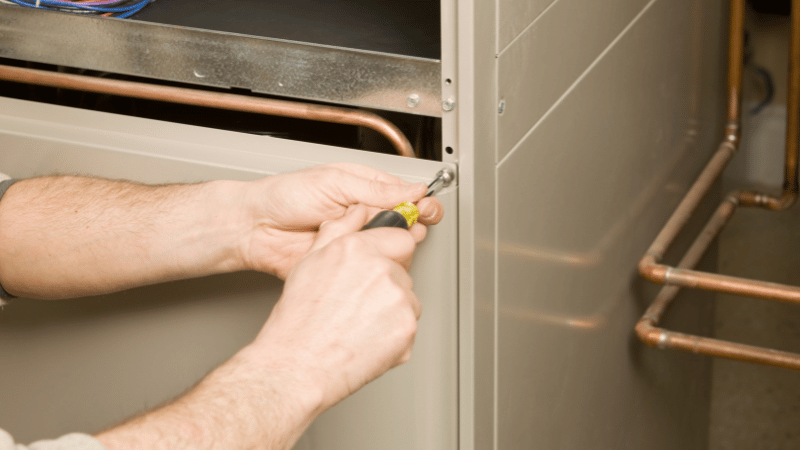
Furnace installation costs vary based on system size, ductwork condition, and fuel type. Homes with outdated or damaged ducts may need repairs before the new furnace is installed. Proper sizing is crucial. A furnace that is too large will short cycle and waste energy. A furnace that is too small will run constantly and struggle to heat the home.
Water heater installation costs depend on tank size, tankless versus tank, fuel type, and venting requirements. Tankless systems require more complex installation but provide long term energy savings. Tank style units are more affordable upfront but need more frequent replacement.
Homeowners should factor in long term costs, not just the initial price. Efficient equipment often pays for itself through lower monthly bills.
Which One Should You Upgrade First
If both systems are aging, deciding which to replace first depends on condition and risk. If the furnace is overheating, failing to start, or producing unusual smells, it takes priority. Heating failures leave the home uncomfortable and can pose safety concerns.
If the water heater is leaking, running out of hot water, or showing signs of corrosion, it becomes the immediate concern. Water damage can escalate quickly and become costly.
Most homeowners replace whichever system is showing more urgent symptoms. A professional inspection can help determine the right order.
On A Final Note;
A furnace and a water heater may seem similar, but they serve completely different purposes in your home. One keeps your air warm. The other keeps your water hot. Understanding how each system works makes it easier to maintain them, plan for replacements, and avoid unnecessary stress when something breaks down.
If either system has been acting up, making noise, or struggling to keep up, it may be the right time for expert help.
Schedule your service today and keep comfort flowing through every room and every tap in your home.
FAQS
Can a furnace and water heater share the same fuel source?
Yes. Many homes use natural gas for both systems. They still operate independently and require separate maintenance.
Do furnaces and water heaters need separate ventilation?
Most of the time yes. Each appliance has its own venting requirements based on fuel type and safety standards.
Will upgrading one system improve the performance of the other?
No. Since they serve different purposes, upgrading one does not boost the efficiency of the other.
Can a water heater help heat a home?
Only in special hydronic systems. Standard water heaters cannot heat living spaces and should not be used this way.
What is the best time of year to replace each system?
Furnaces are best replaced before winter. Water heaters can be replaced anytime, especially before signs of failure appear.