
A furnace should quietly keep your home warm without calling attention to itself. When it starts shutting down unexpectedly, giving off a hot or burning smell, or running louder than normal, it is often a sign of overheating. This is not something to ignore. Overheating puts stress on the entire heating system and increases the chance of costly repairs. In more serious cases, it can damage the heat exchanger and raise the risk of carbon monoxide leaks.
Understanding what causes furnace overheating helps you recognize problems early and keep your home comfortable and safe throughout the cold season.
In this blog, we cover the most common reasons furnaces overheat and what you can do to address them.
Key Takeaways
- Furnace overheating often starts with restricted airflow or dirty components.
- Early warning signs include weak airflow, odors, and frequent shutdowns.
- Ignoring overheating increases repair costs and safety risks.
- Simple steps like changing filters help prevent temperature spikes.
- Professional maintenance keeps the furnace running safely and efficiently.
What Causes a Furnace To Overheat?
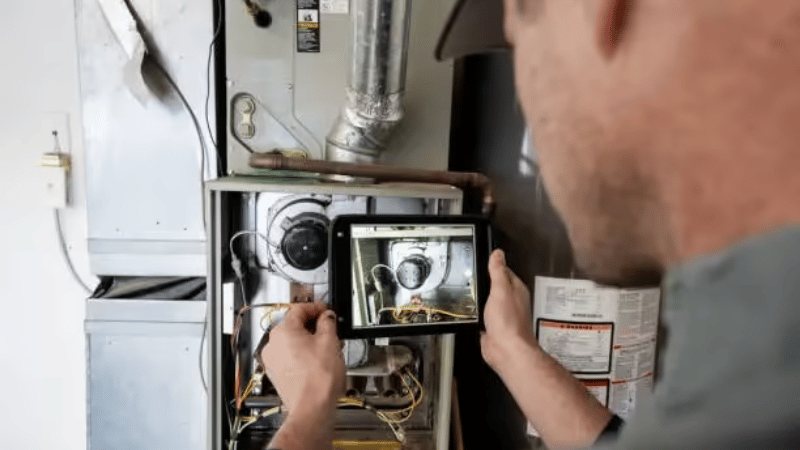
Furnaces get hot by burning fuel (like natural gas, oil) or using electric elements to heat a metal heat exchanger, then a blower pushes cool indoor air over these superheated surfaces, absorbing the heat, and sending warm air through ducts, while dangerous combustion gases are vented outside, all controlled by a thermostat to maintain your home’s set temperature.
What Overheating Looks Like
Most homeowners notice the symptoms of overheating before they know what is actually happening. The furnace may start to shut itself off shortly after it turns on. There might be a burning odor that lasts longer than a few minutes. You may feel weak airflow from the vents. Some systems make unusual humming or rattling sounds because internal components are working harder than they should.
Many modern furnaces include safety switches that trigger an automatic shutdown when temperatures rise too high. This protects the home but also leaves you without heat. When these symptoms appear, they are telling you the system needs attention.
The Most Common Causes of Furnace Overheating
Furnaces overheat for several reasons, but most of the time the problem comes down to airflow issues, dirt buildup, or worn components. Each of these problems forces the system to work harder than it should, which raises internal temperatures and leads to shutdowns. Below are the most common causes homeowners should know.
Dirty or Clogged Air Filters
A dirty air filter is the number one cause of furnace overheating. When a filter is clogged with dust and debris, airflow becomes restricted. The heat exchanger cannot release heat into the home efficiently, so the heat collects inside the furnace. The longer the system runs in this condition, the hotter it becomes.
Replacing the air filter on time is one of the simplest ways to prevent overheating. Most homes need a new filter every one to three months, depending on the type of filter and how often the furnace runs. If someone in the home has allergies or pets, the filter may need to be changed more frequently.
Blocked or Restricted Airflow in the Ductwork
Even when the air filter is clean, poor airflow inside the duct system can still cause overheating. Ducts that are crushed, disconnected, or filled with dust force hot air back toward the furnace instead of distributing it throughout the home. Closed vents can also contribute to overheating.
Many homeowners try to direct airflow by closing vents in rooms they do not use. This creates pressure inside the duct system and forces heat to stay near the furnace. Keeping vents open and ensuring the duct system is clear makes it easier for the furnace to push warm air into every room.
A Malfunctioning Blower Motor
The blower motor is responsible for moving warm air from the furnace into the ductwork. When the blower is weak, dirty, or failing, it cannot move air at the speed the furnace requires. This leaves excess heat inside the system.
A struggling blower often makes noise or causes the airflow at the vents to feel weaker than usual. If the blower stops working completely, the furnace will shut down almost immediately to prevent internal damage. Prompt repair or replacement keeps the furnace operating safely and reduces strain on the heat exchanger.
Dirt Buildup on Furnace Components
Dust can collect on almost every internal surface of a furnace. Burners, coils, and the heat exchanger all work best when they are clean. When layers of dirt form on these components, heat becomes trapped and cannot escape efficiently. This insulation effect raises internal temperatures and forces the furnace to work much harder than necessary.
Regular cleaning during a routine HVAC maintenance visit removes these layers and restores proper heat transfer. This helps the furnace run more efficiently and lowers the risk of overheating throughout the season.
A Faulty Limit Switch
The limit switch monitors temperature inside the furnace. When the system gets too hot, the switch turns the furnace off to prevent damage. If the switch fails or becomes inaccurate, it may allow the furnace to run at unsafe temperatures. In other cases, a faulty switch may shut down the furnace too early, which prevents the home from warming up and creates constant cycling.
A limit switch problem should always be handled by a trained HVAC technician because it affects the core safety system of the furnace.
An Oversized Furnace
Bigger is not always better when it comes to heating equipment. An oversized furnace heats the home too quickly and shuts itself down before completing a full cycle. This constant starting and stopping creates temperature spikes inside the furnace. Over time, these spikes increase wear on the heat exchanger, blower motor, and other internal parts.
A correctly sized furnace will heat the home evenly, run longer, and maintain stable internal temperatures. If a system seems to cycle constantly or heat the home unevenly, it may be oversized for the space.
Age and Wear on Internal Components
Like any mechanical system, a furnace experiences natural wear as it ages. Motors lose strength. Sensors become less accurate. Metal components expand and contract thousands of times over the years. All of this leads to a greater chance of overheating.
Older furnaces often run hotter because they have to work harder to reach the same temperature they once reached with ease. Regular inspections help catch early signs of internal stress before they lead to complete system failure.
Why Overheating Should Never Be Ignored
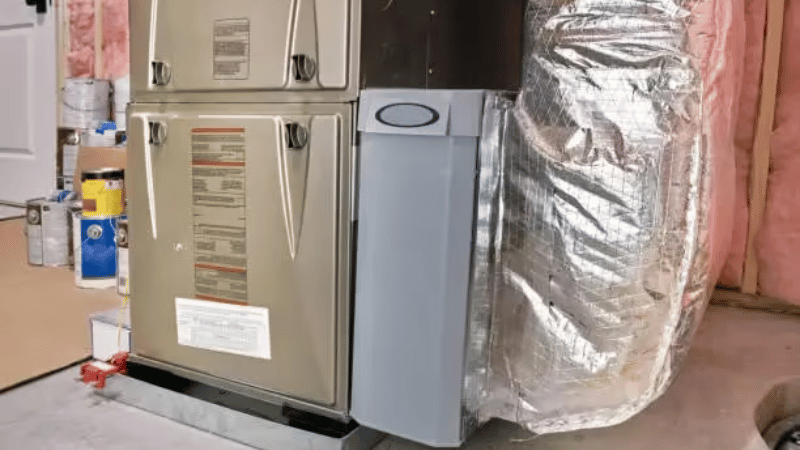
Overheating is more than an inconvenience. It can cause long term damage to the heat exchanger, which is one of the most expensive parts to replace. A cracked heat exchanger can also allow carbon monoxide to reach the living space. This makes early detection and prompt repair essential for both safety and energy efficiency.
Continuing to run an overheating furnace also increases utility costs. The system uses more energy, struggles to maintain temperature, and gradually loses performance.
What Homeowners Can Do Right Now
There are a few simple steps homeowners can take safely. Replace the air filter. Make sure the vents are open. Check the thermostat settings. Move furniture or large items that block airflow.
What homeowners should not do is open the furnace cabinet, attempt to repair electrical parts, or try to clean the burners without proper tools and training. Furnace repairs involve high heat, electrical components, and safety controls that require professional attention.
When To Call a Professional HVAC Technician
If the furnace keeps shutting down, runs with weak airflow, produces unusual smells, or makes unexpected noise, it is time to call a trained technician. A professional will measure airflow, check electrical components, test the limit switch, inspect the heat exchanger, and clean internal parts. This restores safe operation and prevents future overheating.
How Routine Maintenance Prevents Overheating
A yearly furnace maintenance visit is one of the most effective ways to prevent overheating. During a tune up, the technician cleans internal components, checks for airflow problems, tests safety controls, and verifies that the system is running within safe temperature limits. This keeps the furnace efficient and extends its lifespan.
Final Thoughts
Furnace overheating is a common issue that often comes down to airflow problems, dirt buildup, or aging components. With timely maintenance and prompt repairs, homeowners can avoid costly breakdowns and keep their homes warm through every cold snap.
If your furnace has been stopping suddenly or giving off unusual heat, it is the perfect time to bring in a professional.
Book your service today and give your furnace a break before it breaks itself.
FAQs
Can a thermostat cause the furnace to overheat?
Yes. A thermostat that is malfunctioning or placed in a poor location may cause the furnace to run longer than necessary. If the thermostat is near a heat source or draft, it may send the wrong signal and keep the furnace running past a safe point.
Is it safe to keep running a furnace that smells hot?
No. A hot or burning smell is an early sign of overheating. Continuing to run the system can damage internal components. Turn the furnace off, check the air filter, and call a technician if the smell continues.
How long does it take for a furnace to cool down after overheating?
Most furnaces cool down within thirty to sixty minutes. Some will reset on their own once the internal temperature drops. If the system repeatedly overheats, it needs professional attention.
Can poor insulation make a furnace overheat?
Indirectly, yes. Poor insulation forces the furnace to run longer to maintain temperature. Longer run times create more stress and heat buildup inside the system. While insulation does not cause overheating by itself, it contributes to the overall strain.
Does a furnace overheat faster in very cold weather?
It can. When temperatures drop sharply, the furnace may run almost nonstop. If the system already has airflow issues or aging components, the increased workload can lead to overheating much sooner than normal.