
6 Signs Your Ductwork Is Leaking (and What It's Costing You)
Your air conditioner seems to run constantly, but some rooms are still too hot while others feel unusually cold. Your energy bills keep climbing, and no matter how often you clean, dust seems to return within days. If you’ve noticed these problems, your HVAC system may not be the issue.
Leaking ductwork is one of the most common causes of uneven temperatures, poor airflow, and higher utility bills. When conditioned air escapes through gaps or damaged ducts before it reaches your living spaces, your HVAC system has to work harder to keep your home comfortable. Over time, those hidden leaks can waste energy, reduce indoor comfort, and put unnecessary strain on your heating and cooling equipment.
In this article, you’ll learn the most common signs of leaking ductwork, how it affects your home’s comfort and energy costs, and when it’s time to schedule a professional duct inspection.
Key Takeaways
- The average duct system loses 20 to 30 percent of its air to leaks.
- Leaky ducts can cut your heating and cooling efficiency by as much as 20 percent.
- High energy bills, uneven temperatures, weak airflow, and excessive dust often signal duct leaks.
- In Fayetteville, ducts often run through hot attics and crawlspaces where leaks stay hidden.
- A professional duct inspection pinpoints hidden leaks, and sealing restores comfort and lowers bills.
How Much Are Leaky Air Ducts Actually Costing You?
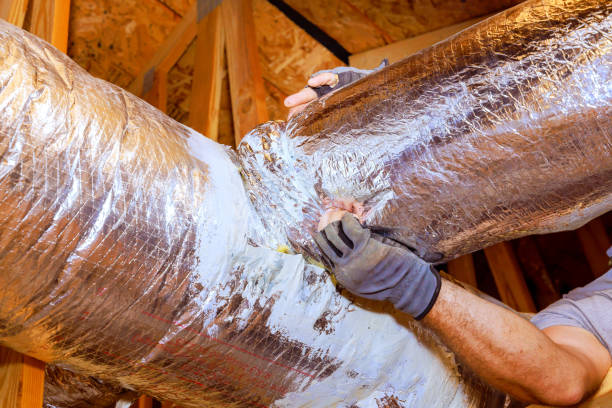
The number surprises most people. In a typical house, about 20 to 30 percent of the air moving through the duct system is lost to leaks, holes, and poorly connected joints, according to ENERGY STAR. That’s up to a third of your heated and cooled air escaping before it ever reaches a vent.
Put that in dollar terms. Roughly a quarter of every dollar you spend on cooling can vanish into your attic or crawlspace. ENERGY STAR also notes that leaky ducts can reduce a heating and cooling system’s efficiency by as much as 20 percent, which means your equipment runs longer and harder to deliver less comfort.
Here’s the part that stings. That wasted air isn’t a one-time cost. It’s a leak in every single utility bill, month after month, for as long as the ducts stay unsealed. The longer you wait, the more it adds up.
6 Signs Your Ductwork Is Leaking
Leaking ductwork leaves a trail of clues throughout your home, and once you know them, the pattern is hard to miss. Watch for these six signs.
- High energy bills with no clear cause. If your cooling or heating costs keep climbing but your habits haven’t changed, escaping air is a prime suspect. You’re paying to condition air that never reaches your living space.
- Rooms that never feel the same temperature. When one room is always cold and another always warm, leaks are stealing pressure and airflow before it gets where it’s needed. Uneven temperatures are one of the most common signs of duct problems.
- Weak airflow from the vents. Hold your hand to a supply register. If the air trickles out where it should push, a leak upstream may be bleeding off pressure before it reaches the room.
- Excessive dust that keeps coming back. Leaky return ducts pull in dust, insulation fibers, and debris from attics and crawlspaces, then blow it around your home. Constant dusting is often a ductwork problem in disguise.
- Musty or stale odors. Ducts running through a damp crawlspace can pull in humid, musty air and distribute that smell room to room, dragging down your indoor air quality.
- Your system runs almost constantly. When conditioned air escapes, the HVAC system runs longer to hit the thermostat setting, so you hear it cycling far more than it should.
One of these alone can have another explanation. Two or three together strongly point to leaking ducts worth having checked.
Why Duct Leaks Are So Common in Fayetteville Homes
Location has a lot to do with it. In most homes here, the ductwork runs through unconditioned space like a hot attic or a humid crawlspace, and that’s exactly where leaks do the most damage. Air escaping into a 130-degree summer attic is comfort and money gone for good.
Ducts also leak simply because of how they age. Older systems were often sealed with cloth-backed duct tape, which dries out, loses its grip, and peels away after a few years. Joints separate, connections loosen, and small gaps open up at every seam and register boot over time.
Fayetteville’s climate makes the stakes higher. Long, hot, humid summers mean your system already works hard, so losing a quarter of its airflow to attic and crawlspace leaks turns an efficient setup into an expensive one. The same leaks that waste cool air in July waste heat in January.
What Duct Leaks Cost You Beyond the Energy Bill
The wasted money is only part of the story. Leaking ducts quietly chip away at comfort, air quality, and the lifespan of your equipment.
Comfort takes the first hit. Rooms that never reach the set temperature, hot and cold spots, and weak airflow all trace back to air that leaks out before delivery. You end up lowering the thermostat to compensate, which only widens the gap between what you pay and what you feel.
Indoor air quality suffers next. Return-side leaks pull attic dust, crawlspace moisture, insulation particles, and even pests’ droppings into the air you breathe. For anyone in the home with allergies or asthma, that’s a real problem, not just a nuisance.
Then there’s your equipment. A system fighting constant air loss runs longer cycles, wears its parts faster, and edges toward earlier repairs and a shorter lifespan. Sealing the ducts eases that strain and lets the system do the job it was sized for.
How Professionals Find and Seal Duct Leaks
Finding duct leaks reliably takes more than a flashlight, which is why a professional inspection is the right starting point. A technician can pressure-test the system, inspect the accessible runs in your attic and crawlspace, and pinpoint where air is actually escaping rather than guessing.
The fix depends on what they find. Small gaps and loose joints are sealed with mastic or metal-backed tape, not the old cloth duct tape that failed in the first place. Disconnected sections get reconnected and secured, and poorly insulated runs in hot attics may be wrapped to hold conditioned air. In systems that are badly deteriorated, targeted replacement of the worst sections restores performance.
This is work worth doing right the first time. Professional air duct services, from inspection and sealing to repair and replacement, restore the airflow your system is supposed to deliver and stop the ongoing waste. Sealing ducts also lets your HVAC equipment run shorter cycles, which supports both comfort and the efficiency you paid for.
When to Schedule a Duct Inspection in Fayetteville
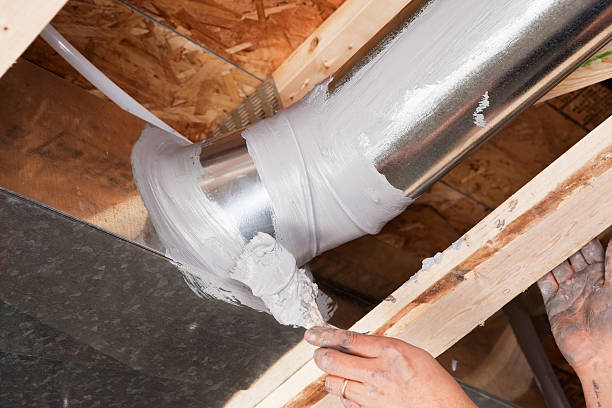
If your home shows two or more of the warning signs, uneven temperatures, climbing bills, weak airflow, or dust that won’t quit, your ductwork has earned a professional look. Duct leaks don’t heal themselves, and every month they go unaddressed is another month of paying to cool your attic. The good news is that sealing them is one of the most cost-effective upgrades a home can get, because the savings show up on every future bill.
A/C Man Heating and Air is a veteran-owned, licensed and insured local team with nearly two decades of experience and 800+ verified 5-star reviews across Fayetteville and the surrounding communities. Our technicians inspect your ductwork, find where air is escaping, and give you an honest recommendation with no pressure to sell you more than the job requires.
If your home feels uneven, dusty, or more expensive to cool than it should be, schedule a professional ductwork inspection or call us at (910) 797-4287.
FAQ
How do I know if my air ducts are leaking?
Look for a pattern rather than a single clue. Rising energy bills, rooms that stay hotter or colder than the rest, weak airflow from vents, excessive dust, and a system that runs constantly all point toward leaking ductwork. A professional duct inspection confirms it by pressure-testing the system and locating the actual leaks.
How much can leaking ductwork cost me?
A typical duct system loses 20 to 30 percent of the air moving through it, and leaky ducts can cut heating and cooling efficiency by as much as 20 percent, per ENERGY STAR. In practice, that can mean a noticeable share of your cooling bill is wasted every month until the leaks are sealed.
Can I seal duct leaks myself?
You can address a small, visible gap on an accessible duct, but DIY fixes rarely catch the leaks hidden in attics, crawlspaces, and buried joints, which is where most of the loss happens. Cloth duct tape also fails within a few years. A professional uses mastic and proper testing to seal the whole system reliably.
Does duct sealing really lower energy bills?
Yes. When 20 to 30 percent of your conditioned air stops escaping, your system delivers more comfort with less runtime, which shows up as lower monthly bills. Sealing also reduces strain on the equipment, supporting a longer system life and steadier temperatures throughout the home.
Do you inspect and repair ductwork near me in Fayetteville?
Yes, A/C Man Heating and Air inspects, seals, and repairs ductwork for homeowners throughout Fayetteville and the surrounding communities. Our technicians locate leaks, recommend the right fix, and restore your system’s airflow and efficiency. Call (910) 797-4287 to schedule a ductwork inspection.
