
How Much Does a Whole-House Dehumidifier Cost in Fayetteville, NC?
A sticky, clammy feeling that never fully leaves the house. Windows that fog on a summer morning. A musty smell drifting up from the crawl space every August. Fayetteville summers push relative humidity past 75%, and no amount of air conditioning alone clears that damp, heavy air. A whole-house dehumidifier does, which is exactly why more homeowners across Cumberland County are pricing one out. The first question almost everyone asks is simple: what does it actually cost?
In this guide you will learn the real installed price range for a whole-house dehumidifier in Fayetteville, NC, the six factors that move that number up or down, how local crawl space conditions and county permit rules affect the job, and what one costs to run month to month. Straight numbers, local context, and no filler, so you can budget with confidence before you call for a quote.
Key Takeaways
- Most Fayetteville homeowners pay $1,500 to $3,500 installed for a whole-house dehumidifier.
- Crawl space access, drainage pumps, and ductwork tie-ins are the biggest price drivers.
- Fayetteville’s 75% summer humidity makes this a moisture-protection upgrade, not just comfort.
- A mechanical permit and licensed HVAC contractor are required for the work.
- Running costs stay low, adding roughly $10 to $30 to your monthly power bill.
The Short Answer: Whole-House Dehumidifier Cost in Fayetteville, NC
Most Fayetteville homeowners spend between $1,500 and $3,500 to buy and install a whole-house dehumidifier. Simple installs that tie into an easy-to-reach spot land near the bottom of that range. Complex jobs, the kind involving a tight crawl space, a condensate pump, new duct connections, or added electrical, push toward the top and sometimes past it.
Here is how the numbers break down in practice:
|
Component |
Typical Cost |
|
Whole-house dehumidifier unit |
$1,100 to $2,800 |
|
Professional installation (labor) |
$500 to $1,500 |
|
Condensate pump (if drainage needs it) |
$150 to $500 |
|
Crawl space unit, installed |
$1,000 to $3,000 |
|
Complex attic or crawl install with pump |
$2,450 to $4,100 |
|
Typical all-in installed total |
$1,500 to $3,500 |
The equipment itself is the largest single line item. A quality central or ducted dehumidifier runs $1,100 to $2,800 depending on capacity and brand, and dedicated crawl space models with a matching capacity sit in a similar band once installation is added. Labor to set the unit, connect it, and route drainage adds another $500 to $1,500, with the higher figure tied to harder access and more plumbing or electrical work.
That spread is wide for a reason. The next section covers why one Fayetteville home gets a $1,900 quote and the house next door gets $3,400.
What Drives the Price: 6 Cost Factors in Fayetteville Homes
No two quotes match, because no two homes present the same install. These are the six factors that decide where your number falls.
1. Unit Capacity and Home Size
Capacity is measured in pints of moisture removed per day. A home under about 2,600 square feet is usually well served by a 70 to 100 pint model, while larger homes or houses with severe moisture need a bigger, pricier unit. Fayetteville’s long, humid season means undersizing is a common regret, since a unit that runs constantly and never catches up costs more to operate and wears out faster.
2. Installation Location and Access
A dehumidifier set in a clean, walk-in area such as a garage or open basement is quick to install. A unit that has to be carried into a low, tight Fayetteville crawl space takes longer, needs more setup, and costs more in labor. Access is often the single biggest swing between a low quote and a high one.
3. Drainage and Condensate Pumps
The moisture a dehumidifier pulls out has to go somewhere. Gravity drainage to a nearby floor drain is cheapest. When the unit sits below the drain line or has no gravity path, a condensate pump is required, adding $150 to $500. Many crawl space installs in the area need one.
4. Ductwork and HVAC Tie-Ins
A ducted whole-home dehumidifier that connects into your existing HVAC system delivers dry air to the whole house, but connecting it takes more labor and materials than a standalone unit. If new duct runs or a return connection are needed, expect that to add to the total.
5. Electrical Work
Some units plug into a standard outlet. Others need a dedicated circuit run to the install location, which brings an electrician into the job and raises the price. Older Fayetteville homes without a convenient circuit nearby feel this most.
6. Permits and Inspection
Mechanical work in North Carolina carries a permit and inspection cost, covered in detail below. It is a real line item, and a legitimate contractor builds it into the quote rather than skipping it.
Understanding these six factors helps you read a quote instead of just reacting to the bottom line. It also explains why the climate here makes the investment worth pricing out in the first place.
Why Fayetteville’s Climate Makes This More Than a Comfort Upgrade
Fayetteville sits in a humid subtropical climate, and the numbers behind that label are what damage homes. Average relative humidity in July reaches about 75%, August runs nearly as high, and daytime highs hover around 90°F for weeks at a stretch. That combination keeps indoor air heavy even when the air conditioner is doing its job on temperature.
Air conditioning removes some moisture as a side effect of cooling, but it was never designed to hold humidity at a healthy target. The EPA recommends keeping indoor relative humidity between 30% and 50%, and above roughly 60% you get the conditions that grow mold, warp wood, and let dust mites thrive. Plenty of Fayetteville homes sit well above that line for months at a time.
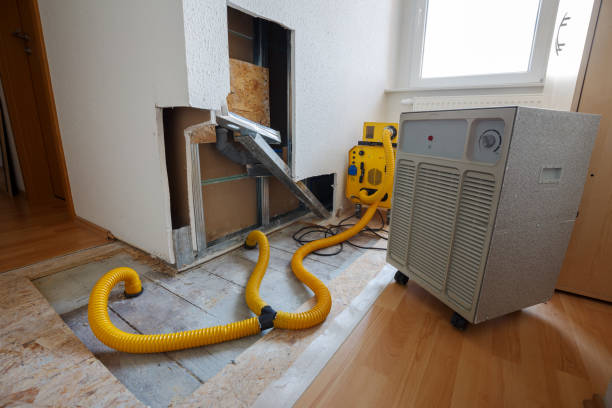
The crawl space is where this gets expensive if ignored. Research on North Carolina homes found that vented crawl spaces exceeded 80% relative humidity through much of spring and summer, while sealed crawl spaces in the same conditions held below 65%. Wood moisture content above 19% puts framing at risk for rot and fungal growth. A whole-house or crawl space dehumidifier holds that space in the safe 40% to 50% range, protecting the structure under your floors before repairs become a five-figure problem.
A professional dehumidifier service starts by measuring the actual humidity in your home and crawl space, then sizes the equipment to your square footage and moisture load. That measurement step is what separates a unit that solves the problem from one that just hums along. It also points you toward the right type of system, which is the next decision.
Crawl Space vs. Whole-Home Dehumidifiers: Which Fits Your House
The term “whole-house dehumidifier” covers two common approaches, and the right one depends on where your moisture problem lives.
A ducted whole-home dehumidifier integrates with your central HVAC system and dries the air across every room. It is the strongest choice when the whole house feels damp, when you want even comfort upstairs and down, and when you already have ductwork to connect into. The tradeoff is a higher installed cost because of the tie-in labor.
A dedicated crawl space dehumidifier targets the source of much of Fayetteville’s home moisture: the vented, ground-contact space beneath the house. Paired with crawl space encapsulation, a continuous vapor barrier sealing the ground and walls, it keeps humidity below 60% and, according to North Carolina moisture studies, can cut related energy costs by up to 15%. For homes where the living space feels fine but the crawl space smells musty, this is often the smarter spend.
Many Fayetteville homes benefit from a crawl space unit first, since so much household humidity migrates up from below. A licensed technician can tell you which path fits your home after an inspection, and sizing the unit to your actual conditions matters more than the label on the box.
Permits, Licensing, and Inspections in Fayetteville and Cumberland County
This is where local rules matter, and where cutting corners costs you later. North Carolina does not treat HVAC and mechanical work as a do-it-yourself free-for-all.
First, licensing. Heating and air conditioning work in the state must be performed by, or under, a contractor licensed by the North Carolina State Board of Examiners of Plumbing, Heating, and Fire Sprinkler Contractors. Only a properly licensed contractor holding an H-1, H-2, or H-3 classification can pull a mechanical permit, pass inspection, and stand behind the work. If a quote comes in unusually low from someone who cannot produce a license number, that is a red flag worth taking seriously.
Second, permits. A mechanical permit is required across all 100 North Carolina counties, even for straightforward equipment work, and mechanical installations generally fall under that requirement. In Cumberland County, permitting and inspections for unincorporated areas run through the Cumberland County Planning and Inspections Department at 130 Gillespie Street in Fayetteville. Homes inside the City of Fayetteville, Hope Mills, or Spring Lake are handled by those municipalities’ own inspection offices, so the right office depends on your exact address.
Third, inspection. Mechanical systems must be left accessible for a final inspection, with the equipment complete, manufacturer instructions met, and drainage and mounting done to code. A dehumidifier installed without a permit can surface as a problem years later when you sell the home and a buyer’s inspector flags unpermitted work.
The practical takeaway is simple. Confirm your contractor is licensed, ask that the permit be pulled and inspection scheduled, and keep the paperwork. A/C Man Heating and Air handles the permitting and inspection process as part of the job, so the work is documented and code-compliant from the start. If you want to confirm the requirements for your specific address before you commit, the county or city inspection office can tell you what applies.
Operating Costs and Long-Term Savings
The install is a one-time number. What the unit costs to run tells the fuller story, and here the news is good.
A whole-house dehumidifier adds roughly $10 to $30 per month to your energy bill, depending on how hard it works and the season. Fayetteville’s humid stretch from late spring through early fall is when it earns that cost, and the drier winter months bring the bill back down as the unit cycles less.
Against that modest run cost sit real savings. Drier air feels cooler at the same thermostat setting, so many homeowners raise the AC a degree or two and cut cooling costs without losing comfort. On the crawl space side, North Carolina studies tie proper moisture control to energy savings of up to 15%, since your HVAC no longer fights a swamp under the floor. The larger savings are the ones you never see on a bill: framing that does not rot, insulation that stays dry, HVAC equipment that lasts longer in cleaner air, and no mold remediation invoice down the road.
Put simply, spending $1,500 to $3,500 now to hold humidity in the healthy range is far cheaper than the wood repair, mold work, and premature HVAC replacement that unchecked moisture eventually forces. That math is what turns a comfort upgrade into a protective one.
How to Read a Whole-House Dehumidifier Quote and Spot a Bad One
A price on paper tells you very little without knowing what sits behind it. Two quotes that both say “$2,400 installed” can mean very different jobs, and the difference usually shows up a year or two later. A few questions turn a confusing quote into a clear decision.
Ask what capacity is being proposed and why. A good contractor will point to your square footage and a humidity reading, not a guess. If the answer is vague or the same unit gets quoted for every home, the sizing is likely off. An undersized unit runs nonstop and still loses the fight, and an oversized one short-cycles and wastes energy.
Ask how drainage is handled. The quote should say whether the condensate drains by gravity or needs a pump, because that decision affects both the price and whether the system keeps working through the humid season without a puddle in the crawl space. A quote that never mentions drainage is missing a step you will pay for later.
Ask whether the permit is included and who pulls it. In North Carolina the permit is not optional, and a contractor who suggests skipping it to save you money is offering to leave unpermitted mechanical work in your home. That shortcut can stall a future sale and voids the accountability that inspection provides.
Ask about the warranty on both the equipment and the labor. Manufacturers back the unit, but the install itself should carry a workmanship guarantee. Finally, confirm the license number and that it covers HVAC work. A legitimate Fayetteville contractor answers all of this without hesitation. Anyone who dodges these questions is quoting a number, not a solution.
The goal is not to find the lowest figure. It is to find the quote where the sizing, drainage, permitting, and warranty all hold up, because that is the install you will not think about again for years.
Where to Start With Your Whole-House Dehumidifier in Fayetteville
The honest answer to “how much does a whole-house dehumidifier cost in Fayetteville, NC” is a range, $1,500 to $3,500 installed for most homes, because the price is set by your house, not by a catalog. Capacity, crawl space access, drainage, ductwork, electrical, and permitting each move the number, and the only way to land on a firm figure is an in-home assessment that measures your actual humidity and sizes the equipment to it.
The step that protects both your money and your home is choosing a licensed local contractor who pulls the permit, sizes the unit correctly, and installs it to code, rather than the cheapest quote from someone skipping those steps. Fayetteville’s climate is not getting drier, and a right-sized system installed once beats an undersized one you replace in a few years.
A/C Man Heating and Air installs and services whole-house and crawl space dehumidifiers throughout Fayetteville and Cumberland County, handles the permitting and inspection, and sizes every system to the home in front of us. For a straight quote based on your actual humidity readings, call A/C Man Heating and Air at 910-797-4287 or contact us to schedule an assessment.
FAQ
How much does a whole-house dehumidifier cost in Fayetteville, NC?
Most Fayetteville homeowners pay between $1,500 and $3,500 installed. Simple installs sit near the low end, while jobs with tight crawl space access, a condensate pump, or new duct connections reach the higher end. An in-home assessment gives you a firm number for your specific house.
Do I need a permit to install a whole-house dehumidifier in Fayetteville?
Mechanical work in North Carolina requires a permit, and a mechanical permit is required in all 100 counties. In Cumberland County the work goes through the county or the relevant city inspection office depending on your address. A licensed HVAC contractor pulls the permit and schedules the inspection as part of the job.
Is a whole-house dehumidifier worth it in Fayetteville’s climate?
Yes, for most homes here. July humidity averages around 75%, and air conditioning alone rarely holds indoor moisture in the EPA’s recommended 30% to 50% range. Controlling humidity protects framing, insulation, and HVAC equipment while making the house feel cooler at the same thermostat setting.
Should I get a crawl space dehumidifier or a whole-home unit?
It depends on where the moisture is. A ducted whole-home unit dries every room and suits houses that feel damp throughout. A dedicated crawl space unit, often paired with encapsulation, targets the ground-level moisture that drives so much household humidity in Fayetteville. A licensed technician can recommend the right fit after inspecting your home.
How much does it cost to run a whole-house dehumidifier?
Expect roughly $10 to $30 per month added to your energy bill, with the higher figure during Fayetteville’s humid summer stretch and less in the drier winter. Drier air also lets many homeowners raise the thermostat slightly, offsetting part of that cost.
How long does a whole-house dehumidifier last?
A quality whole-house or crawl space dehumidifier that is correctly sized and maintained typically lasts around 10 to 15 years. Right-sizing matters most, since an undersized unit forced to run constantly through Fayetteville’s humid season wears out years earlier. Regular filter changes and a professional check each year help it reach the top of that range.
