
Is Crawl Space Encapsulation Worth It? Pros and Cons for Fayetteville Homeowners
A contractor crawls out from under your house, brushes off the dust, and quotes you several thousand dollars to seal the space. Your first thought is simple: is this actually worth it, or is it an upsell?
It is a fair question, especially when professional crawl space encapsulation runs $5,000 to $15,000 depending on the size and condition of your space.
In Fayetteville’s humid climate, though, that damp area under your floor does more damage than most homeowners realize. Before you say yes or no, it helps to see the full picture of what you gain and what it costs. Keep reading for an honest look at both sides.
Key takeaways:
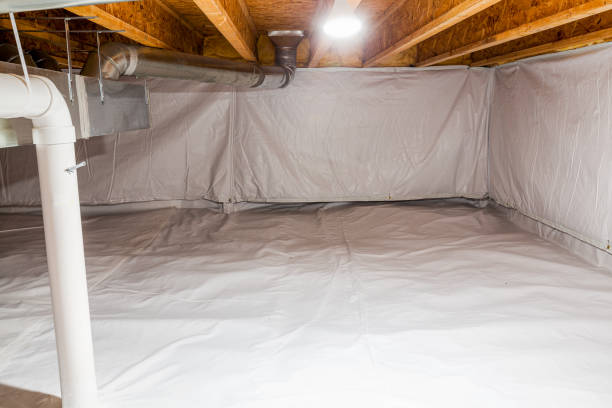
- Crawl space encapsulation seals out ground moisture and humid air using a vapor barrier and a dehumidifier.
- For most Fayetteville homes, the moisture control, energy savings, and structural protection make it worth the cost.
- Professional encapsulation typically costs $5,000 to $15,000, with a national average near $5,500.
- The biggest drawbacks are the upfront price and the ongoing cost of running a dehumidifier.
- Sealing the crawlspace also eases the moisture load on your AC, helping it run cooler and last longer.
Is Crawl Space Encapsulation Worth It for Fayetteville Homes?
Pros | Cons |
Controls moisture, mold, and musty odors | High upfront cost of $5,000 to $15,000 |
Lowers heating and cooling bills | Dehumidifier adds equipment and electricity cost |
Improves indoor air quality | Drainage problems must be fixed first |
Protects floor joists and subflooring | Needs occasional inspection and upkeep |
Deters termites, rodents, and pests | Not a safe do it yourself project |
Eases the moisture load on your AC | Payback on energy savings takes several years |
Can add to resale value | Results depend on quality of installation |
The Pros of Crawl Space Encapsulation
The benefits reach further than a drier crawlspace. They touch your comfort, your health, your energy bills, and the long term condition of your home. Here is what you actually get for the investment.
1. Moisture and Mold Control
The core benefit is a dry crawlspace, and that solves a long list of problems at once. A sealed vapor barrier and dehumidifier keep ground moisture and humid air out, which stops mold, mildew, and wood rot before they start. You also get rid of the musty smell that often drifts up into the living space. In a climate as humid as Fayetteville, this single benefit is the reason most homeowners move forward.
2. Lower Energy Bills
A sealed crawlspace makes your whole home easier to heat and cool. The Environmental Protection Agency estimates that homeowners save an average of 15 percent on heating and cooling costs by air sealing the spaces that leak conditioned air.
Your HVAC system stops fighting damp, unconditioned air seeping up from below, so it runs less and uses less power. Those savings add up month after month and help offset the upfront cost over time.
3. Better Indoor Air Quality
The air in your crawlspace does not stay there. Through the stack effect, a large share of it rises into your living space, carrying any mold spores, dust, and humidity along with it.
Sealing the crawlspace cuts off that supply of contaminated air, which means cleaner, healthier air upstairs. Families dealing with allergies or asthma often notice the difference within weeks.
4. Structural Protection
Wood and water do not mix, and your floor structure sits directly above a damp crawlspace. Ongoing moisture rots joists and subflooring, warps hardwood, and weakens the framing that holds your house up.
Encapsulation keeps that wood dry, protecting the structure and preventing the kind of repair that costs far more than the sealing job itself.
5. Pest and Termite Deterrence
A wet, open crawlspace is a welcome mat for termites, rodents, and insects that thrive in damp, dark conditions. Sealing the space and removing the moisture makes it far less inviting. You close off easy entry points and take away the humidity these pests look for, which protects both your structure and your peace of mind.
6. Easier on Your Air Conditioner
A dry crawlspace directly helps your cooling system. With less moisture rising into your home, your air conditioner has less humidity to remove, so it runs shorter cycles and works under less strain. That means lower bills, fewer repairs, and a longer service life for the equipment. The space under your house and the AC in your yard are more connected than they look.
The Cons of Crawl Space Encapsulation
No upgrade is all upside, and encapsulation has real drawbacks worth understanding before you commit. Knowing them helps you budget correctly and avoid surprises.
1. The Upfront Cost
The price is the biggest hurdle for most homeowners. A full encapsulation commonly runs $5,000 to $15,000, and a large or badly damaged crawlspace can push higher. It is a significant investment, and while the energy savings and avoided repairs help recover it, the payback happens gradually rather than overnight.
2. The Dehumidifier Adds Ongoing Cost
A proper encapsulation usually includes a dedicated crawlspace dehumidifier, which adds to both the install price and your monthly electric use. The unit needs power to run year round, and it will eventually need service or replacement like any appliance. The good news is that this cost is modest next to the moisture damage it prevents.
3. Drainage Issues Must Be Fixed First
Encapsulation seals the space, but it does not stop water that is actively pooling under your home. If you have grading problems, a high water table, or a leak, those need a vapor barrier with a sump pump or drainage system added, which raises the total cost. Sealing over standing water without addressing the source only traps the problem.
4. It Requires Upkeep and Is Not a DIY Job
A sealed crawlspace is low maintenance, not no maintenance. The barrier and dehumidifier need an occasional inspection to confirm everything stays sealed and dry.
Encapsulation is also not a safe weekend project, because proper sealing, dehumidification, and any drainage work call for trained crews and the right materials. A poor installation can trap moisture and create the very problem you paid to avoid.
What Crawl Space Encapsulation Costs in Fayetteville
Cost depends on the size of your crawlspace, its current condition, and the extras your home needs. The table below breaks down the typical components so you can see where the money goes. Treat these as general ranges, since every home is different and a proper quote comes after an inspection.
Component | Typical Cost Range |
Vapor barrier and sealing | $3 to $7 per square foot |
Crawlspace dehumidifier | $1,500 to $4,000 |
Drainage or sump pump (if needed) | $1,000 to $3,000 |
Insulation upgrades | $1,000 to $3,000 |
Full project, most homes | $5,000 to $15,000 |
The wide range reflects how much condition matters. A clean, dry crawlspace that only needs a barrier and dehumidifier lands near the low end. A space with standing water, mold, or rot needs remediation first, which pushes the total up. A professional inspection is the only way to know where your home falls.
When to Bring in a Fayetteville HVAC Professional
Call a professional when you notice persistent indoor humidity, a musty smell that keeps returning, sweating or rusted ductwork, high energy bills, or visible moisture and mold in the crawlspace. Those signs mean the dampness has already reached your home and your HVAC system, and a quick patch will not solve it.
This is where A/C Man Heating and Air comes in. Our certified technicians inspect the crawlspace, ductwork, and your cooling system together, so the encapsulation actually fixes the root problem instead of hiding it.
We handle crawlspace encapsulation and same day air conditioning repair across Fayetteville, which lets one team seal the moisture out and tune up the system it was straining. A/C Man Heating and Air is a veteran owned company with more than 817 {4.9}-star Google reviews from local homeowners, and every job is backed by guaranteed workmanship.
A Real Fayetteville Encapsulation Story
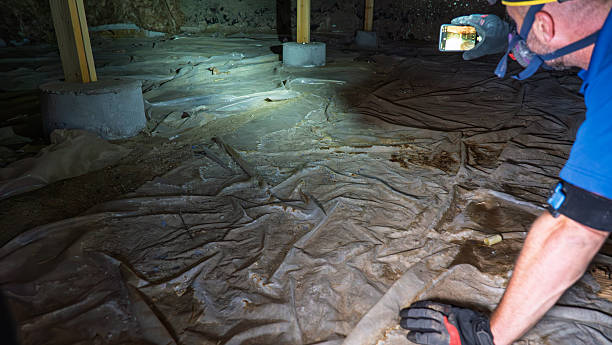
A homeowner in the Kings Grant neighborhood off Ramsey Street called A/C Man Heating and Air after years of high summer bills, sticky upstairs rooms, and a smell they could never track down. They had been quoted for a new air conditioner by another company and wanted a second opinion before spending the money.
Our technician inspected the crawlspace and found the real source. The vented space stayed humid all summer, the insulation was damp and sagging, and mold had spread across the subfloor. Rather than replace a healthy AC, we encapsulated the crawlspace with a sealed vapor barrier, added a dehumidifier, and confirmed the cooling system was charged and running correctly.
The change showed up fast. Indoor humidity dropped into a comfortable range, the musty smell cleared, and the next cooling bill came in noticeably lower. The homeowner kept the air conditioner they already had and solved the problem for less than a full replacement would have cost.
Making the Right Call for Your Fayetteville Home
Crawl space encapsulation is worth it for most Fayetteville homes because the humid climate turns a damp crawlspace into a steady source of mold, high bills, and strain on your AC.
The upfront cost is real, and a wet or damaged space costs more to seal, but the moisture control, energy savings, and structural protection usually justify the investment for anyone planning to stay in their home. The smartest first step is a professional inspection that tells you exactly what your crawlspace needs.
If you are weighing whether encapsulation makes sense for your home, let A/C Man Heating and Air take a look and give you a straight answer. Call us at (910) 841-2106 or schedule your inspection online, and our team will assess your crawlspace, your ductwork, and your cooling system so you can decide with confidence.
FAQs
Is crawl space encapsulation really worth the money?
For most homes in humid climates like Fayetteville, yes. It controls moisture, lowers energy bills, protects your floor structure, and improves air quality. The upfront cost of $5,000 to $15,000 is recovered over time through savings and avoided repairs, especially if you plan to stay long term.
How much does crawl space encapsulation cost?
Professional crawl space encapsulation typically costs $5,000 to $15,000, with a national average near $5,500. Pricing runs about $3 to $7 per square foot. The final cost depends on your crawlspace size, its condition, and whether drainage or mold remediation is needed first.
Does crawl space encapsulation lower energy bills?
Often, yes. The EPA estimates air sealing a home saves an average of 15 percent on heating and cooling costs. A sealed crawlspace stops humid, unconditioned air from entering your home, so your HVAC system runs less and uses less energy throughout the year.
Does an encapsulated crawl space need a dehumidifier?
In a humid climate like North Carolina, yes. A dedicated dehumidifier keeps the sealed space below the humidity level where mold and rot occur. It adds to the install cost and uses electricity, but it is what keeps the encapsulation effective over the long term.
Will crawl space encapsulation help my air conditioner?
Yes. A dry crawlspace sends less moisture up into your home, so your air conditioner has less humidity to remove. That means shorter run cycles, lower energy bills, and less wear on the system, which can extend its lifespan and reduce repairs.
