
How to Maintain Heating and Air Conditioning Systems Year Round
Most HVAC problems do not start with a sudden breakdown. They begin quietly with skipped maintenance, restricted airflow, or small issues that build over time.
Heating and cooling systems work hard all year, often without much attention until something goes wrong. Regular maintenance keeps these systems running the way they were designed to run, reduces strain on key components, and helps avoid unexpected repairs.
In this guide, we will walk through practical ways to maintain your heating and air conditioning so they stay reliable, efficient, and consistent through every season.
Key Takeaways
- Regular HVAC maintenance helps prevent breakdowns and keeps systems running efficiently.
- Clean air filters and clear airflow paths reduce strain on heating and cooling equipment.
- Seasonal maintenance supports consistent comfort during heavy system use.
- Small performance changes often signal the need for professional attention.
- Ongoing care extends system lifespan and lowers long term operating costs.
Why Heating and Air Conditioning Maintenance Matters
Maintenance keeps heating and air conditioning systems operating efficiently and predictably. When systems are clean and properly adjusted, they heat and cool more evenly, use less energy, and experience fewer mechanical issues.
Without regular care, dust builds up, airflow becomes restricted, and components work harder than they should. That extra strain shortens equipment life and increases energy costs. Maintenance also helps catch minor problems early, before they turn into major repairs during peak seasons when systems are under the most stress.
Consistent upkeep protects comfort, lowers operating costs, and extends the usable life of your HVAC equipment.
Basic HVAC Maintenance Homeowners Can Do
Many effective maintenance tasks are simple and safe. These steps help keep systems running smoothly between professional visits.
Replace or Clean Air Filters Regularly
Air filters play a major role in system performance. A clean filter allows proper airflow and protects internal components from dust and debris. A clogged filter restricts airflow, reduces efficiency, and places extra strain on motors and blowers.
Most filters should be checked monthly and replaced every one to three months, depending on usage, pets, and indoor air conditions. Homes with pets or allergy concerns may need more frequent changes. Keeping filters clean is one of the easiest and most effective maintenance steps you can take.
Keep Vents and Returns Clear
Supply vents and return grilles should remain open and unobstructed. Furniture, rugs, and curtains often block airflow without homeowners realizing it. When vents are blocked, air cannot circulate properly, leading to uneven temperatures and longer run times.
Walk through the home periodically and make sure vents are clear. Balanced airflow helps the system maintain consistent comfort and reduces unnecessary strain.
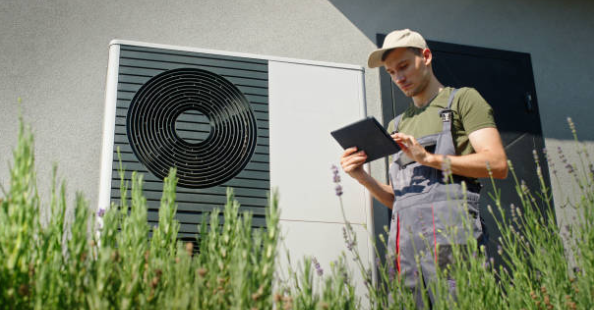
Keep Outdoor Units Clean and Unobstructed
Outdoor units need space to breathe. Leaves, grass clippings, dirt, and debris restrict airflow and reduce heat transfer. This makes the system work harder to heat or cool the home.
Clear debris from around the unit regularly and maintain several feet of open space on all sides. Gently rinsing the exterior coil with a hose can help remove surface buildup. Avoid using high pressure water or cleaning chemicals.
Monitor Thermostat Settings
Thermostats control how often systems run. Simple habits help reduce wear and improve efficiency. Avoid frequent temperature changes and extreme settings. Set comfortable, consistent temperatures and allow the system to cycle normally.
If you use a programmable or smart thermostat, review schedules seasonally to match household routines. Proper settings reduce unnecessary run time and energy use.
Seasonal Heating System Maintenance Tips
Heating systems benefit from seasonal attention, especially before colder weather arrives.
Before the heating season, replace the air filter and check that vents are open and unobstructed. Listen for unusual noises during operation and note any changes in airflow or comfort. These early signs often point to issues that are easier to address before heavy use begins.
During colder months, keep return air areas clear and avoid closing off rooms entirely. Heating systems rely on balanced airflow to operate safely and efficiently.
At the end of the heating season, replace the filter again and take note of any performance issues that occurred. This information is useful during professional inspections and helps plan future service.
Seasonal Air Conditioning Maintenance Tips
Air conditioning systems also benefit from seasonal care.
Before warm weather arrives, replace the air filter and clear debris from around the outdoor unit. Check vents for airflow consistency and listen for new or unusual sounds when the system runs.
During peak summer months, keep the area around the outdoor unit clean and shaded if possible without blocking airflow. Avoid overworking the system by setting extremely low temperatures during hot afternoons.
As the cooling season winds down, clean around the outdoor unit and replace the filter. Noting any cooling issues that occurred during the season helps address them before the next cycle begins.
Signs Your HVAC System Needs Professional Attention
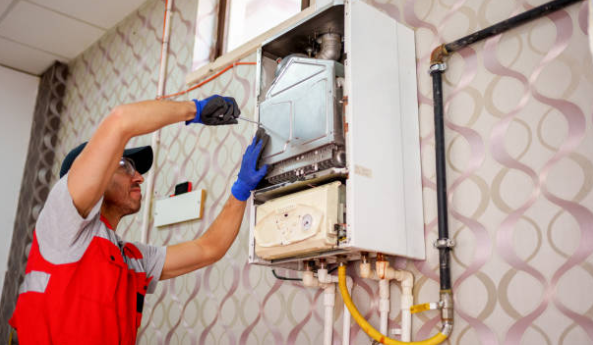
Some issues go beyond routine homeowner maintenance. Recognizing these signs early helps prevent bigger problems.
Unusual noises such as grinding, buzzing, or rattling often indicate mechanical wear. Uneven heating or cooling may point to airflow issues, duct problems, or failing components.
Rising energy bills without changes in usage often signal efficiency loss. Frequent cycling or systems that struggle to reach set temperatures also deserve attention.
When these symptoms appear, professional inspection helps identify the cause and restore proper operation.
How Often Should Heating and Air Conditioning Be Serviced?
Most systems benefit from professional service at least once per year. Many homeowners choose twice yearly maintenance, once before the heating season and once before the cooling season.
Older systems or equipment with heavy use may benefit from more frequent checks. Regular service keeps systems operating within design limits and extends overall lifespan.
Consistency matters more than frequency. Scheduled care reduces surprises and keeps systems dependable year after year.
When to Schedule Professional Maintenance
The best time to schedule maintenance is before peak heating or cooling seasons begin. Early service helps systems perform efficiently when demand increases.
If you have noticed performance changes, unusual sounds, or higher energy use, scheduling maintenance sooner rather than later helps prevent further issues. Proactive care is always easier than emergency repair.
Wrapping Up;
Heating and air conditioning systems perform best when they receive consistent care throughout the year. Simple tasks like changing filters, clearing airflow paths, and monitoring system behavior make a noticeable difference. Professional maintenance adds deeper inspection and fine tuning that homeowners cannot perform alone.
Together, these steps protect comfort, improve efficiency, and extend equipment life. If you want to keep your HVAC system running reliably through every season, A/C Man Heating and Air can help you schedule maintenance and keep your home comfortable year round.
FAQs
How often should I maintain my heating and air conditioning system?
Basic maintenance such as air filter replacement should be done regularly, while professional service is typically recommended once or twice a year depending on system age and usage.
Can regular maintenance really prevent HVAC breakdowns?
Yes, regular maintenance helps catch small issues early, reduces system strain, and improves reliability, making unexpected breakdowns less likely during peak heating or cooling seasons.
Is HVAC maintenance something homeowners can do themselves?
Homeowners can handle simple tasks like replacing filters and keeping vents clear. Professional maintenance is needed for internal inspections, cleaning, and system testing.
What happens if I skip HVAC maintenance?
Skipping maintenance can lead to reduced efficiency, higher energy bills, uneven comfort, and a greater chance of component failure over time.
When is the best time to schedule professional HVAC maintenance?
The best time is before heavy heating or cooling seasons begin. Early maintenance helps ensure reliable operation when the system is under the most demand.