
A furnace should shut down with a smooth and quiet finish. When you hear a sudden bang after the system powers down, it is a clear sign that something inside the furnace or ductwork is reacting to heat, pressure, or airflow changes. The sound can feel alarming, especially at night when the house is quiet. The good news is that a banging noise during shutdown is usually a sign of a fixable issue.
In this guide, we break down the most common reasons your furnace makes a banging noise when it turns off, the risks behind each cause, and what steps homeowners should take to fix the issue safely.
Key Takeaways
- Banging noises often come from duct changes, pressure issues, or loose parts.
- Shutdown noises signal stress inside the furnace or duct system.
- Ignoring repeated banging can lead to serious furnace damage.
- Simple checks include filters, vents, and cabinet panels.
- Professional inspection is needed when noises continue or grow louder.
Why Your Furnace Makes a Banging Noise When Turning Off?
A furnace banging when turning off usually means metal ductwork is contracting after heating, often caused by restricted airflow from a dirty filter or closed vents, making the metal bow and pop back; other causes can include loose ducts rattling from pressure changes, or even delayed ignition causing gas buildup before a loud ignition. The fix often involves changing the filter, securing ducts, or clearing blockages, but sometimes requires professional HVAC help for issues like a bad blower or gas valve.
What the Banging Noise Usually Means?
A banging sound during shutdown usually comes from expanding or contracting metal, trapped air pressure, or moving components that are not operating smoothly. The furnace cools rapidly when it shuts down, and this temperature change forces parts of the system to react. If something is loose, blocked, or under strain, that reaction becomes loud enough to notice.
Some noises are harmless, but others point to mechanical issues or airflow problems that need professional attention. Paying close attention to the sound helps narrow the cause. A sharp metallic bang is different from a soft thump. A continuous series of bangs is different from a single loud pop.
Ductwork Expansion and Contraction
The most common reason for a banging noise during shutdown is the duct system adjusting to temperature changes. When the furnace runs, the ducts warm up and expand. As soon as the system stops and cooler air moves in, the metal contracts. This movement often creates a popping or banging noise.
The sound becomes louder when the ducts are thin, flexible, or poorly supported. Older ducts are more prone to dramatic noises, especially if they have dents or minor damage. While this issue is usually not dangerous, it can indicate that the ducts are under stress and may need reinforcement or adjustment.
Air Pressure Problems Inside the Duct System
Air pressure imbalances can also cause banging when the furnace turns off. When air cannot flow freely through the ducts, pressure builds up and releases suddenly when the system stops. This release creates a noticeable thump or bang.
Common causes of pressure problems include:
- Closed or blocked supply vents
- Thick or clogged air filters
- Damaged or collapsed duct sections
- Improper duct design that restricts airflow
When air has nowhere to go, it forces ducts to flex and snap back into place once the furnace shuts down. Fixing airflow restrictions usually reduces or eliminates the noise.
Delayed Ignition That Releases Pressure During Shutdown
Delayed ignition is a well known source of banging noises, but homeowners often assume the sound only happens when the furnace starts. In some cases, a small amount of unburned gas can ignite during the cooling process and create a pop after the furnace stops running.
Delayed ignition happens when debris builds up on the burners or when the gas supply is not flowing correctly. This is a safety related issue and should always be inspected by a licensed technician.
Loose Furnace Panels or Internal Components
If the metal panels on the furnace cabinet are loose, they can shift or vibrate when the system turns off. The blower slows down, airflow drops, and the entire unit settles into a resting position. A loose panel often reacts to this change with a sudden bang.
Internal components can also cause noise. The blower wheel, motor assembly, or fan housing may move slightly during shutdown if bolts or brackets are loose. These parts should be tightened or replaced before they cause further damage.
A Dirty Furnace Filter Creating System Strain
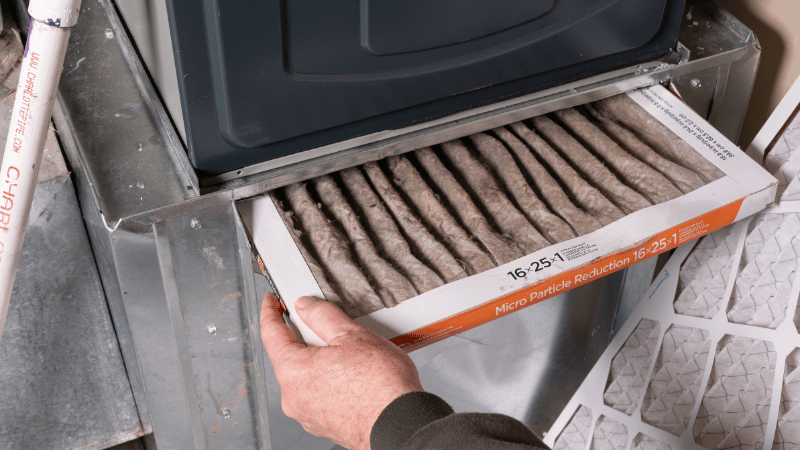
A clogged filter may not seem related to a banging noise, but restricted airflow often forces the blower to work harder. When the furnace shuts off, the sudden drop in pressure can cause the blower compartment or ducts to shift. This shift sometimes creates a bang that homeowners hear throughout the house.
Replacing the filter regularly improves airflow and reduces the stress that contributes to noise.
Overheated Metal Parts Cooling Too Quickly
When a furnace overheats, metal components absorb more heat than they should. Once the system shuts down, those components cool rapidly. Quick cooling causes metal to contract faster than normal, creating sharp banging or popping sounds.
Overheating often comes from issues such as:
- Dirty burners
- Blocked airflow
- Failing blower motors
- Faulty limit switches
If your furnace frequently cycles off with a loud bang, overheating may be part of the problem.
Sediment Buildup in the Heat Exchanger
Over time, dust and debris settle on the heat exchanger. This buildup creates hot spots because the metal cannot release heat properly. During shutdown, these hot spots cool unevenly and cause the heat exchanger to make sharp, metallic sounds.
This issue requires professional cleaning because the heat exchanger is a sensitive and important safety component.
Why You Should Never Ignore Banging Noises
A single soft pop may be harmless, but repeated or loud banging should never be overlooked. Noise is often the first sign that something inside the furnace or duct system is under stress. Ignoring the issue can lead to:
- Higher energy bills
- Broken or cracked ductwork
- Blower motor failure
- Heat exchanger damage
- Safety risks from delayed ignition
Catching the problem early keeps repairs simple and affordable. Waiting too long can lead to costly replacements or unsafe conditions.
What Homeowners Can Check Safely
There are a few steps homeowners can handle without opening the furnace or exposing themselves to hazards.
- Replace the air filter with a clean one.
- Make sure all vents are open and unblocked.
- Look for loose furnace panels and tighten the screws.
- Listen carefully to determine where the noise comes from.
If the noise continues after these steps, internal components may be involved, which requires professional service.
When To Call a Professional Technician
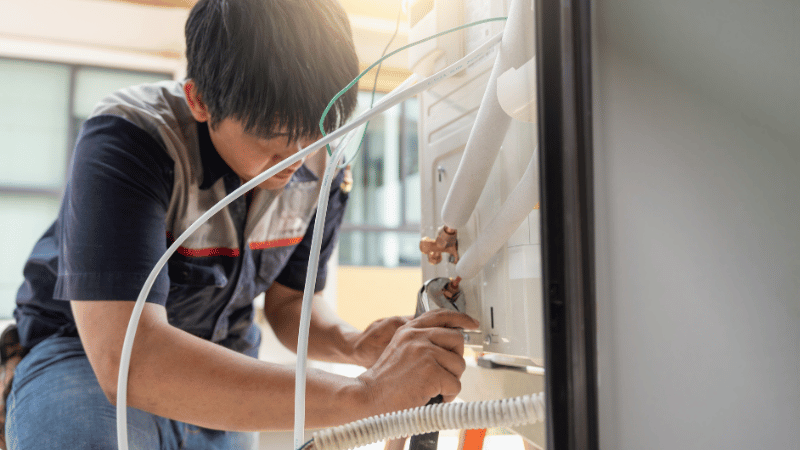
A trained HVAC technician should inspect the furnace if the banging sound is loud, happens frequently, or comes from inside the unit itself. Professionals have the tools and experience to diagnose issues quickly. During a service visit, a technician may:
- Inspect the burners for delayed ignition
- Check for loose internal parts
- Test duct pressure and airflow
- Look for overheating or heat exchanger stress
- Clean the blower assembly and burners
Correcting these problems not only removes the noise but also helps the furnace run more efficiently.
Routine Maintenance Prevents Most Furnace Noises
Annual furnace maintenance reduces the chances of banging sounds and other problems. During a tune up, the technician cleans the system, lubricates moving parts, checks electrical components, confirms safe ignition, and inspects the duct system.
Regular care keeps the furnace running smoothly and reduces stress on the entire system, which helps prevent noises linked to pressure changes, overheating, or loose components.
Wrapping Up:
A banging noise when your furnace turns off is a sign that something inside the system or ductwork is reacting to heat or pressure changes. Some causes are simple, such as loose panels or pressure fluctuations. Others come from more serious issues like delayed ignition or overheating. Understanding the reason helps you take the right next step.
If your furnace has been making loud or repetitive banging sounds, it is best to have a professional look at it before the problem grows.
Schedule your furnace inspection today and bring quiet comfort back to your home.
FAQs
Can a furnace make a banging noise even when it is not running?
Yes. Temperature changes in the ducts can create popping sounds hours after the system shuts down, especially in older or thin metal ducts.
Will insulating my ductwork help reduce banging noises?
It can help. Insulation stabilizes temperature changes and reduces the amount of expansion and contraction that causes noise.
Is a banging noise dangerous if it happens only once in a while?
Occasional soft pops are usually harmless. Loud or frequent bangs should be inspected because they often signal airflow or ignition problems.
Can closing vents cause more noise during shutdown?
Yes. Closing vents increases pressure in the duct system. Higher pressure causes louder flexing and more noticeable banging.
How soon should I call a technician after hearing a loud bang?
If the noise is sharp or repeats, schedule a visit as soon as possible to prevent damage or potential safety issues.