
Why Your Heat Pump Isn't Working in Fayetteville (And What to Do About It)
It’s 95 degrees outside, and your air conditioning suddenly stops blowing cold air. Or it’s 35 degrees and your heat pump is running, but your home stays freezing. You check the thermostat. Everything looks normal. The system is on. Nothing makes sense. In both scenarios, your heat pump is still running, the compressor is active, but it’s not doing what it’s supposed to do. This is the most frustrating situation: your system is working, but it’s not working.
In this guide, we’ll discuss the most common reasons your heat pump stops heating or cooling effectively, what you can safely check yourself, and when you need to call an HVAC professional.
Most heat pump problems fall into predictable categories, and many can be identified without a service call. But some require immediate professional attention. Knowing the difference saves you time, money, and discomfort.
Key Takeaways:
- Heat pump failures often stem from simple issues like thermostat problems, clogged filters, or frozen outdoor units rather than major component failures, and many can be checked by homeowners before calling a technician.
- Refrigerant leaks reduce cooling and heating capacity and worsen over time; low refrigerant is never a DIY fix and requires professional service to identify the leak source and recharge the system safely.
- Electrical issues including tripped breakers, faulty wiring, or capacitor failures prevent the compressor from running and require immediate professional diagnosis to avoid system damage or safety hazards.
How a Heat Pump Works (Quick Overview)
A heat pump is fundamentally different from traditional furnaces and air conditioners. Instead of burning fuel to create heat, a heat pump moves heat from one place to another. In summer, it pulls heat from inside your home and releases it outside. In winter, it extracts heat from outside air (yes, even when it’s cold) and moves it inside.
The core components are simple: a compressor, outdoor and indoor coils, refrigerant, and an expansion device. The refrigerant circulates between the outdoor and indoor units, changing states from liquid to gas and back.
A reversing valve switches the direction of refrigerant flow to change between heating and cooling modes. When any of these components fail or operate poorly, your heat pump stops delivering comfort.
The system also has electrical controls, a thermostat, and a defrost cycle to prevent ice buildup in winter. Understanding these basics helps you recognize when something isn’t right.
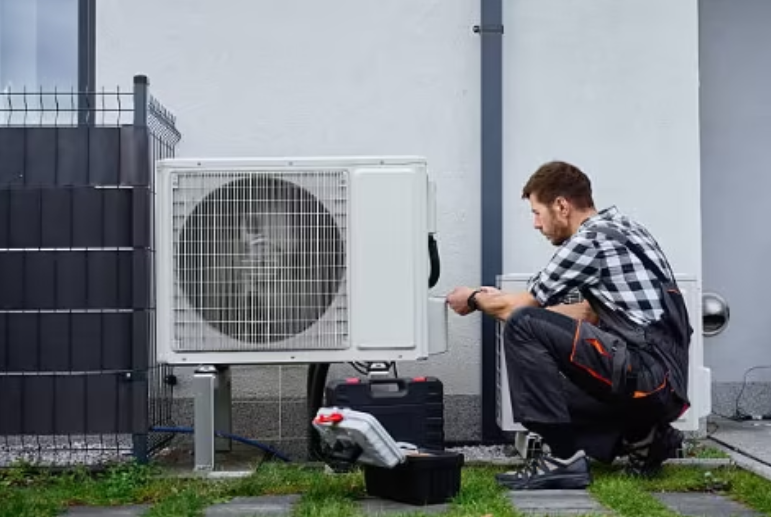
5 Common Reasons Your Heat Pump Is Not Working
Heat pumps usually do not fail without a reason. In most cases, the problem starts small and builds up over time, affecting performance before the system completely stops working.
Here are the most common reasons your heat pump is not working as it should:
1. Thermostat Issues
The thermostat is the most commonly overlooked culprit. If it’s set incorrectly, your system won’t respond as expected. A thermostat set to “Off” or “Fan Only” mode explains why nothing is heating or cooling. If the thermostat is set to the wrong temperature, the system may not activate at all.
Dead batteries in the thermostat prevent communication with the heat pump. A thermostat with low or dead batteries displays nothing, sends no signals, and leaves your system unresponsive. Many homeowners have called technicians for expensive service calls when the solution was a $5 battery replacement.
Thermostat calibration drift occurs over time. The thermostat thinks it’s 68 degrees when it’s actually 72. This causes the system to run more or less than intended, creating comfort issues that seem random.
2. Dirty Air Filters
Clogged air filters restrict airflow, forcing your heat pump compressor to work harder. The refrigerant doesn’t cycle properly. Cooling capacity drops. Heating output diminishes. The system strains under the added load and eventually shuts down on a safety thermostat to protect itself.
In Fayetteville’s dusty environment and during high pollen seasons, filters clog faster than most homeowners realize. A filter that looks acceptable to the naked eye might be restricting 40% of the airflow. Checking and replacing filters every 1–3 months prevents this common problem.
3. Refrigerant Problems
Refrigerant leaks are the second most common heat pump problem. A small leak reduces cooling and heating capacity gradually. The system still runs, but it doesn’t reach the target temperature. A larger leak causes the compressor to fail completely because it needs refrigerant to operate safely.
Low refrigerant is never a DIY repair. Refrigerant handling requires EPA certification. You can’t just add more; you need to find the leak source, repair it, and recharge the system according to the manufacturer’s specifications. Running a heat pump with low refrigerant damages the compressor and increases repair costs exponentially.
4. Electrical or Power Issues
A tripped circuit breaker cuts power to the entire system. The heat pump won’t start at all. This is one of the first things to check when nothing is running.
Faulty wiring, loose connections, or a failed capacitor prevents the compressor from starting even if everything else is powered. These electrical faults require professional diagnosis because they involve working with live circuits.
Some heat pumps have a hard-wired disconnect switch near the outdoor unit. If someone switched it off accidentally, the system is completely powerless. Check this before assuming major problems.
5. Frozen Outdoor Unit
In winter, your outdoor unit naturally defrosts by running in reverse (cooling mode) for a few minutes every few hours. This melts ice and restores proper operation. If the defrost cycle fails, ice accumulates on the coils and completely blocks heat exchange.
Frozen outdoor units look obviously iced over. The coils are covered in thick ice or frost. This kills heating capacity. The heat pump won’t deliver warmth until the ice melts. Running the defrost cycle manually, or waiting for a warmer day, temporarily solves the problem, but defrost cycle failure requires professional repair.
4 Signs Your Heat Pump Needs Professional Repair
Some heat pump issues go beyond basic troubleshooting and need expert attention. Ignoring these warning signs can lead to higher repair costs or even system failure.
Here are the key signs your heat pump needs professional repair:
1. Weak Airflow or No Air
If your vents are blowing barely warm or barely cool air, something is preventing proper heat exchange. This could be a clogged filter, a refrigerant issue, or a compressor problem. Weak airflow feels like the system is struggling, even though it’s running.
2. Unusual Noises
A grinding, squealing, or rattling sound from the outdoor unit signals compressor wear, a failing motor, or loose internal components. Hissing sounds indicate refrigerant leaks. These noises mean internal failure is progressing. Professional inspection prevents catastrophic breakdown.
3. Constant Cycling
If your heat pump turns on and off repeatedly every few minutes, it’s cycling abnormally. This usually indicates a refrigerant issue, a sensor failure, or a compressor problem. Constant cycling wears the system fast and suggests major component failure is developing.
4. High Energy Bills
A sudden jump in heating or cooling costs without any other explanation often means your heat pump is working much harder than normal to maintain temperature. This happens when refrigerant levels are low, the defrost cycle is broken, or the compressor is losing efficiency. A sudden spike in energy use always warrants professional inspection.
What You Can Check Before Calling a Technician
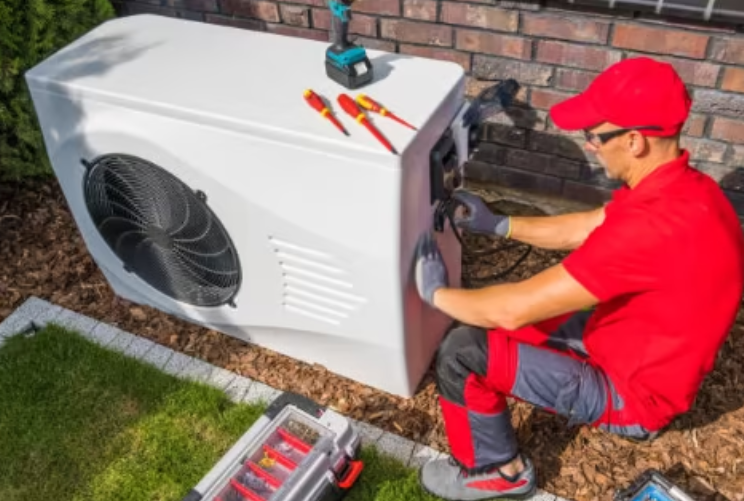
Not every heat pump issue requires a service call right away. Some problems come down to simple fixes that homeowners can handle in a few minutes.
Here are a few things you can check before calling a technician.
Check Thermostat Settings
Confirm the thermostat is in the correct mode for the season (Heating in winter, Cooling in summer). Verify the target temperature is actually different from the current room temperature. Replace batteries if the thermostat is a battery-operated model. Clear any dust from the thermostat display.
Replace or Clean Filters
Your furnace and heat pump share air filters. Check the filter monthly. If it looks gray or dark, replace it immediately. Keep replacement filters on hand so you never delay a filter change. This single step prevents dozens of heat pump problems.
Inspect Circuit Breakers
Walk to your electrical panel and look for any breaker that’s tripped to the off position. The breaker switch should be aligned with all the others. If one is in the middle position or fully off, flip it back on. If it trips again immediately, stop and call a professional. A tripped breaker that resets repeatedly indicates a wiring fault.
Clear Debris Around Outdoor Unit
Walk around your outdoor unit and remove leaves, sticks, grass clippings, or any buildup blocking airflow. Clear vegetation at least 2 feet away from all sides of the unit. Blocked outdoor units strain the compressor and reduce efficiency significantly.
When to Call a Professional in Fayetteville
If you’ve checked the thermostat, replaced the filter, verified the breaker is on, and your heat pump still isn’t working, professional diagnosis is necessary. Refrigerant leaks, electrical faults, compressor problems, and defrost cycle failures all require specialized tools and training to diagnose and repair correctly.
Trying to diagnose refrigerant levels, electrical connections, or compressor function yourself risks damaging the system further or causing personal injury. Heat pumps operate under high pressure and involve electrical hazards that require respect and expertise.
A/C Man Heating and Cooling serves Fayetteville homeowners with fast, honest diagnostics. A technician can identify the problem in 30–60 minutes, explain what’s happening in plain language, and provide upfront repair costs before any work begins. Quick professional service often prevents a $300 diagnostic issue from becoming a $2,500 compressor replacement.
How to Prevent Future Heat Pump Problems
- Annual professional maintenance is the most effective prevention. A technician checks refrigerant levels, cleans coils, inspects electrical connections, tests the defrost cycle, and identifies problems before they cause failures. Annual maintenance costs $150–$250 and typically adds years to your system’s lifespan.
- Seasonal inspections before summer and winter help catch problems before the system faces peak demand. Spring inspection confirms cooling is ready for heat season. Fall inspection prepares heating for cold weather.
- Filter changes every 1–3 months keep airflow optimal. Mark your calendar or set a phone reminder. Cheap filters and neglected maintenance create expensive failures.
- Keep the outdoor unit clean and clear. Debris buildup, overgrown vegetation, and blocked coils reduce efficiency and increase strain. Clear around the unit quarterly, especially during leaf season.
- Don’t ignore warning signs. Strange noises, weak airflow, or unusual cycling always mean something is wrong. Addressing problems early prevents secondary damage. A $400 repair caught early becomes a $2,000 repair if ignored.
Getting Your Heat Pump Working Again
A non-working heat pump doesn’t always mean expensive repair or replacement. Many problems are straightforward to identify and fix once you understand what to look for. Check the thermostat. Replace the filter. Verify the breaker. Clear debris from the outdoor unit. These basic steps solve a surprising number of heat pump issues.
When those checks don’t solve the problem, professional diagnosis saves time and prevents guessing. A qualified technician identifies the actual problem within an hour and gives you clear repair options with upfront pricing. Early professional service prevents small problems from becoming major failures.
If you’re in Fayetteville and your heat pump isn’t working, A/C Man Heating and Cooling can help. We offer same-day diagnostic service and honest repair recommendations. The sooner you get professional help, the faster your home returns to comfortable temperatures.
FAQ
Why does my heat pump stop working suddenly with no warning?
Sudden failures mean electrical components failed, the compressor shut down on safety thermostat, or refrigerant completely leaked out. Electrical faults, capacitor failures, and large refrigerant leaks cause overnight shutdown. These don’t build gradually. Professional diagnosis identifies the exact cause immediately.
Can my heat pump run but not heat or cool properly?
Yes, this happens frequently. The compressor runs, the fan operates, but heating or cooling output is weak. Clogged filters, low refrigerant, or failed defrost cycles cause this. System operates but doesn’t deliver comfort. Professional tools measure refrigerant levels and pressure accurately.
How often does my heat pump need maintenance?
Most manufacturers recommend annual professional maintenance. Change air filters every 1–3 months depending on filter type and conditions. In Fayetteville’s dusty climate, monthly filter checks prevent strain. Annual professional service and regular filter changes keep systems reliable for 15+ years.
What does heat pump repair typically cost in Fayetteville?
Service diagnostics range from $100–$200. Minor repairs like capacitor replacement cost $200–$600. Refrigerant recharge with leak repair runs $300–$800. Compressor replacement costs $2,000–$3,500. Exact costs depend on problem type, system age, and overall equipment condition.
What are the signs of a refrigerant leak?
Common signs include weak cooling or heating output, ice forming on outdoor coils in winter, or hissing sounds. Low refrigerant reduces heat exchange capacity. Refrigerant leaks require professional repair to locate the source and safely recharge according to EPA regulations and safety standards.
