
Why Is It Important To Clean Air Vents in Your Fayetteville Home?

Your allergies will not quit this spring. The upstairs air smells musty even with the AC running. There is a fine layer of gray dust on the coffee table two days after you wiped it down. The vents themselves have a ring of black-brown buildup around every register. Most Fayetteville homeowners chalk it up to bad luck or aggressive pollen. It is neither.
In this guide, you will find out why cleaning your air vents matters more in Fayetteville than in most parts of the country, what actually collects inside them, when it starts hurting your health and your power bill, and how to tell the difference between vents that need a quick wipe-down and ductwork that needs full professional cleaning. A/C Man Heating and Air has serviced HVAC systems from Haymount to Fort Bragg for over 20 years, and the same handful of red flags shows up in nearly every home.
Key Takeaways
- Fayetteville’s pine pollen, humidity, and sandy soil load air ducts faster than in dry climates.
- Indoor air pollutants run 2 to 5 times higher than outdoor levels according to EPA data.
- Dirty vents force your HVAC harder, cutting system efficiency and driving monthly power bills higher.
- NADCA recommends inspecting ductwork every 2 years and cleaning every 3 to 5 years standard.
- Visible mold, dust plumes at start-up, and rodent droppings mean cleaning cannot wait any longer.
What Actually Builds Up Inside a Fayetteville Air Vent
Every home builds vent debris. Fayetteville homes build more of it, faster. The heaviest contributor is pine pollen. According to NC State Extension, pine pollen peaks in late March through the first part of April, coating every outdoor surface in a yellow film that also rides your HVAC intake straight into the ductwork. That yellow layer you scrape off the porch is the same layer coating the inside of your return.
Then there is household dust, which is 70 to 80 percent dead skin cells, textile fibers, and dust mite debris. According to EPA research on indoor air quality, Americans spend roughly 90 percent of their time indoors, and indoor air pollutants often run 2 to 5 times higher than outdoor levels. That indoor air passes through your vents 5 to 7 times a day, so anything settled in the ductwork gets circulated back into every room.
Pet dander, mold spores, fine sand tracked in from Fort Bragg’s sandy soil, and rodent debris from compromised crawl spaces round out the list. Humidity turns any damp spot inside ductwork into a mold host, particularly near supply plenums and evaporator coils. Older Haymount bungalows and any home with a suspect crawl space regularly show droppings, hair, or nesting material in trunk lines during inspection.
Why Cleaning Air Vents Matters for Your Family’s Health
The health case is the strongest one. Dirty vents recirculate every allergen and irritant that has settled inside them, and Fayetteville’s air brings a heavier load than most cities. When pollen counts hit their late-March peak, an unmaintained duct system essentially becomes an allergen distribution network for the entire house.
For people with asthma, allergic rhinitis, or COPD, this stops being a comfort question. Repeated exposure to indoor allergens like dust mites, mold, and pet dander is well documented to worsen asthma symptoms and increase medication use. In practice, that shows up as morning congestion that never quite clears, coughs that flare the second the AC kicks on, and eyes that itch worst in the room closest to the largest supply vent.
Mold is the more serious concern, and humidity keeps interior duct surfaces damp enough for mold to establish and release spores continuously. Chronic exposure has been linked to respiratory infections, allergic reactions, headaches, and neurological symptoms in vulnerable populations. When you see black spots inside a supply register or smell a persistent musty odor whenever the system runs, that is not something to sit on.
Kids and older adults absorb the biggest impact. Both groups spend more time indoors than the average adult and have less resilient respiratory systems. In a house with dirty vents, they take the brunt of every pollen cycle and every mold bloom.
Dirty Vents Cost You Money Every Month
Vent buildup is not just a health problem. It is a cash drain. When ductwork and register covers accumulate a layer of dust, pollen, and dander, the blower has to push harder to move the same volume of air. That extra work shows up on the power bill within a billing cycle.
A well-maintained HVAC system runs roughly 15 to 20 percent more efficient than one that has been neglected. A significant chunk of that efficiency loss comes from restricted airflow through dirty filters, dirty coils, and dirty ducts. On a Fayetteville summer bill of 300 dollars a month, a 20 percent efficiency drop is 60 dollars lost every single month during cooling season.
The equipment itself pays a price too. A blower motor forced to run against restricted airflow overheats sooner, wears bearings faster, and burns out years before its rated lifespan. Same for the evaporator coil, which ices up more easily when dirt insulates the fins. A homeowner who skips cleaning long enough often ends up paying for a compressor replacement or a full blower assembly, either of which runs into thousands of dollars.
Clean vents also help your air filter last longer. When the return draws through cleaner ducts, less debris reaches the filter itself, so the filter stays effective longer between changes. That alone saves the average household 40 to 100 dollars a year on filter replacements.
How Often Should You Clean Air Vents in Fayetteville?
The National Air Duct Cleaners Association (NADCA) recommends inspecting ductwork every 2 years and cleaning every 3 to 5 years for a standard household. In Fayetteville, that timeline compresses because of the pollen load and humidity. Homes with pets, allergy sufferers, or a history of duct-line moisture usually benefit from cleaning every 2 to 3 years instead.
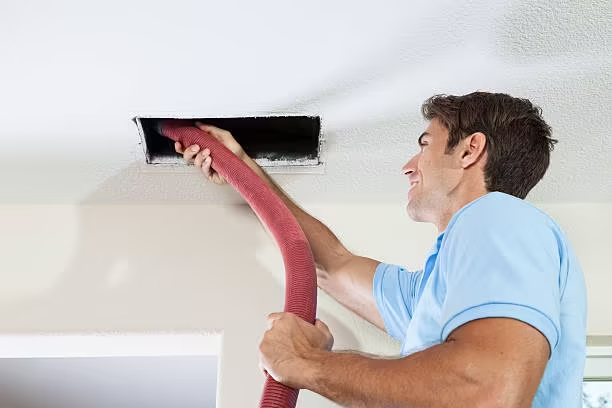
Start with a walk-through of your own house. Pull a register cover off a bedroom supply, look inside with a flashlight, and check the first 18 inches for dust, mold, or visible debris. Note whether the vent smells clean or slightly musty when the system runs. Pull the current filter and hold it up to a light: if you cannot see light through it clearly, it is overdue for a change.
Then match the situation to the timeline. Clean registers and filters yourself on a monthly to quarterly rhythm. Schedule a professional indoor air quality inspection every 2 years, and a full duct cleaning every 3 to 5 years for a standard household or every 2 to 3 years if you have pets, allergies, or a history of moisture problems. Address the warning signs the moment they appear, not the next time you happen to remember them.
Why cleaning air vents matters this much in a Fayetteville home comes back to the local reality: heavy pollen, high humidity, sandy soil, older housing stock, and a lot of running time on the HVAC system through long summers. That combination loads ductwork faster than the national average and turns skipped cleanings into bigger problems, faster.
If your last cleaning is a distant memory or the warning signs above sound familiar, A/C Man Heating and Air can inspect the system, run a full diagnostic, and lay out exactly what your ductwork needs and what it does not. Call (910) 797-4287 or get in touch with the team to schedule the visit.
FAQ
How often should I clean my air vents in Fayetteville?
NADCA recommends every 3 to 5 years for a standard home. In Fayetteville, homes with pets, allergy sufferers, or a history of duct-line moisture usually benefit from every 2 to 3 years due to heavy pollen and humidity. Wipe register covers monthly during pollen season and quarterly the rest of the year.
Can dirty air vents make you sick?
Yes, especially if they contain mold, dust mites, pet dander, or rodent debris. Chronic exposure has been linked to worsening asthma, allergic reactions, respiratory infections, and headaches. Children, older adults, and anyone with existing respiratory conditions carry the biggest risk in a home with dirty ductwork.
How much does professional air vent cleaning cost in Fayetteville?
A standard full-system cleaning for a 2,000-square-foot Fayetteville home usually runs 350 to 700 dollars. Larger homes, homes with severe mold, or homes needing duct-joint repair can run 800 to 1,500. Always get a firm quote after inspection, not sight-unseen over the phone.
Do I need to clean my air vents if my house is new?
Sometimes yes. New construction generates enormous amounts of drywall dust, sawdust, and jobsite debris that gets pulled into return air during the final phase of the build. Many homeowners benefit from a cleaning within the first year of move-in, especially if trades were still working on the home during HVAC installation.
Will cleaning air vents lower my power bill?
Usually yes. Restricted airflow from dirty ducts, dirty filters, or a dirty coil can drop system efficiency 15 to 30 percent. Restoring clean airflow lets the system hit its target temperature faster and cycle off sooner, which cuts kilowatt-hour usage on every run. Most homeowners see the savings within the first full billing cycle.
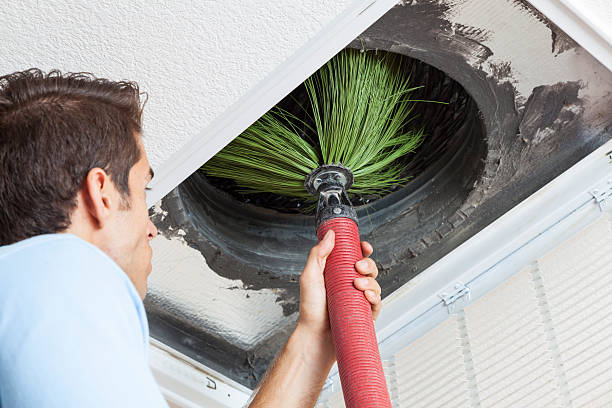
Start with a walk-through of your own house. Pull a register cover off a bedroom supply, look inside with a flashlight, and check the first 18 inches for dust, mold, or visible debris. Note whether the vent smells clean or slightly musty when the system runs. Pull the current filter and hold it up to a light: if you cannot see light through it clearly, it is overdue for a change.
Then match the situation to the timeline. Clean registers and filters yourself on a monthly to quarterly rhythm. Schedule a professional indoor air quality inspection every 2 years, and a full duct cleaning every 3 to 5 years for a standard household or every 2 to 3 years if you have pets, allergies, or a history of moisture problems. Address the warning signs the moment they appear, not the next time you happen to remember them.
Why cleaning air vents matters this much in a Fayetteville home comes back to the local reality: heavy pollen, high humidity, sandy soil, older housing stock, and a lot of running time on the HVAC system through long summers. That combination loads ductwork faster than the national average and turns skipped cleanings into bigger problems, faster.
If your last cleaning is a distant memory or the warning signs above sound familiar, A/C Man Heating and Air can inspect the system, run a full diagnostic, and lay out exactly what your ductwork needs and what it does not. Call (910) 797-4287 or get in touch with the team to schedule the visit.
FAQ
How often should I clean my air vents in Fayetteville?
NADCA recommends every 3 to 5 years for a standard home. In Fayetteville, homes with pets, allergy sufferers, or a history of duct-line moisture usually benefit from every 2 to 3 years due to heavy pollen and humidity. Wipe register covers monthly during pollen season and quarterly the rest of the year.
Can dirty air vents make you sick?
Yes, especially if they contain mold, dust mites, pet dander, or rodent debris. Chronic exposure has been linked to worsening asthma, allergic reactions, respiratory infections, and headaches. Children, older adults, and anyone with existing respiratory conditions carry the biggest risk in a home with dirty ductwork.
How much does professional air vent cleaning cost in Fayetteville?
A standard full-system cleaning for a 2,000-square-foot Fayetteville home usually runs 350 to 700 dollars. Larger homes, homes with severe mold, or homes needing duct-joint repair can run 800 to 1,500. Always get a firm quote after inspection, not sight-unseen over the phone.
Do I need to clean my air vents if my house is new?
Sometimes yes. New construction generates enormous amounts of drywall dust, sawdust, and jobsite debris that gets pulled into return air during the final phase of the build. Many homeowners benefit from a cleaning within the first year of move-in, especially if trades were still working on the home during HVAC installation.
Will cleaning air vents lower my power bill?
Usually yes. Restricted airflow from dirty ducts, dirty filters, or a dirty coil can drop system efficiency 15 to 30 percent. Restoring clean airflow lets the system hit its target temperature faster and cycle off sooner, which cuts kilowatt-hour usage on every run. Most homeowners see the savings within the first full billing cycle.
