
When Should You Replace Your Furnace? 5 Signs It’s Time for an Upgrade
Knowing when to replace your furnace is not always obvious. Many systems continue running even as performance declines, which makes it difficult to tell whether repair is still worthwhile or if replacement is the smarter option. Homeowners often start asking this question when heating becomes inconsistent, repairs become more frequent, or energy bills rise without a clear explanation.
Furnace replacement is not only about age. It is about safety, reliability, comfort, and long term cost. A system that struggles to keep up or shows warning signs can create stress during colder months. Understanding when replacement makes sense helps you plan ahead instead of reacting to an emergency breakdown.
This guide explains the key factors that signal it may be time to replace your furnace and how to make that decision with confidence.
Key Takeaways
- Frequent repairs and declining performance often signal it is time to replace your furnace.
- Age combined with safety or efficiency concerns increases replacement urgency.
- Rising energy use may indicate your furnace is no longer operating efficiently.
- Replacing at the right time helps avoid emergency breakdowns and comfort loss.
- Professional evaluation supports informed and timely replacement decisions.
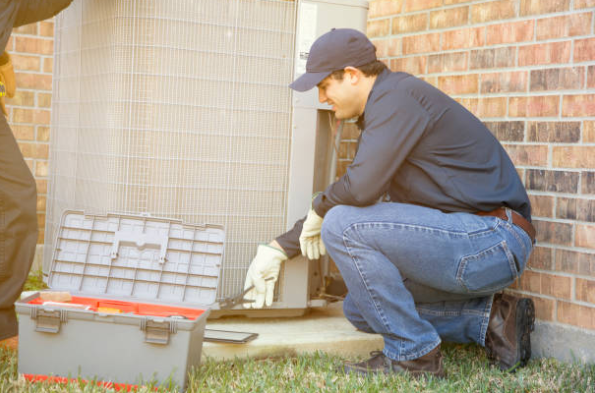
When Should You Replace Your Furnace?
You should replace your furnace when performance declines, repairs become frequent, safety concerns appear, or the system approaches the end of its expected lifespan. Replacement becomes the better option when ongoing repair no longer delivers reliable heating or predictable costs.
Some furnaces fail suddenly, but most give warning signs well before complete breakdown. Recognizing those signs allows you to plan replacement on your timeline rather than during a heating emergency.
What Is the Typical Life Expectancy of a Furnace?
Furnace life expectancy varies based on maintenance history, usage patterns, and system quality. A well maintained system generally lasts longer than one that receives irregular service or operates under constant strain.
Heating systems that run efficiently and receive consistent care experience less wear on internal components. In contrast, older furnaces that miss regular maintenance often approach the end of their usable life sooner, even if they still turn on.
Climate also plays a role. Systems that run frequently during long heating seasons accumulate wear faster. Understanding life expectancy helps you evaluate whether your furnace is nearing a point where replacement should be considered.
5 Warning Signs Your Furnace Is Near the End of Its Life
Certain signs indicate that your furnace may be approaching the end of its service life. These warning signs often appear gradually and worsen over time.
1. Frequent Repairs and Rising Repair Costs
Frequent repairs are one of the clearest indicators that replacement may be approaching. When the same system requires repeated service, reliability becomes unpredictable.
Repair costs add up quickly, especially when multiple components begin to fail. A furnace that needs frequent attention often places stress on other parts of the system, increasing the likelihood of future issues.
At a certain point, continued repair no longer provides good value. Replacement becomes a more stable and cost effective solution.
2. Strange Noises or Ongoing Performance Issues
Unusual noises such as banging, rattling, or humming often signal internal wear. These sounds may indicate loose components, motor issues, or airflow problems that worsen with time.
Performance issues also serve as warning signs. Uneven heating, delayed warm up, or short cycling suggest that the system is struggling to operate as intended. These issues often become more frequent as the system ages.
Ignoring persistent performance problems increases the risk of sudden failure during peak heating demand.
3. Higher Energy Bills and Reduced Efficiency
Rising energy use without changes in household habits can indicate declining furnace efficiency. Older systems often work harder to produce the same level of heat.
As components wear down, the furnace requires more energy to maintain comfort. This inefficiency leads to higher operating costs and inconsistent performance.
When efficiency continues to decline despite maintenance, replacement may offer better long term value.
4. Age Is Approaching or Past Expected Lifespan
Age alone does not require replacement, but it plays an important role in decision making. As a furnace approaches the end of its expected lifespan, the risk of breakdown increases.
Older systems may lack modern safety features and efficiency improvements. Even if the furnace still operates, planning replacement before failure helps avoid emergency situations.
Age combined with other warning signs often signals that replacement is approaching.
5. Cracked Heat Exchanger or Safety Concerns
A cracked heat exchanger is a serious safety issue that often requires replacement. This component separates combustion gases from household air, and damage can allow harmful gases to enter the home.
Safety concerns such as repeated shutdowns, strong odors, or failed inspections should never be ignored. In many cases, replacement is the safest and most responsible solution.
When safety becomes a concern, replacement should be prioritized over continued repair.
Repair vs Replacement How to Decide What Makes Sense
Deciding between repair and replacement requires evaluating cost, reliability, and long term comfort. Repair may be reasonable when issues are isolated and the system has a strong service history.
Replacement becomes more practical when repairs are frequent, costs increase, or performance continues to decline. Replacing the system eliminates ongoing uncertainty and restores dependable heating.
Comparing repair expenses against the benefits of a new system helps clarify which option delivers better value.
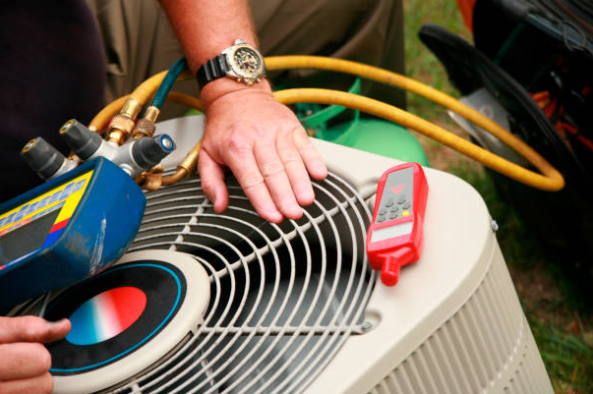
How Furnace Replacement Affects Comfort and Energy Use
Replacing an aging furnace often improves comfort immediately. New systems deliver more consistent heating and respond more accurately to temperature settings.
Modern systems also operate more efficiently, which reduces energy waste and supports stable indoor temperatures. Improved airflow and better controls help eliminate hot and cold spots.
Over time, improved efficiency and performance contribute to a more comfortable living environment.
What to Expect During a Furnace Replacement
Furnace replacement follows a structured process designed to ensure safe and reliable operation. The process typically begins with removing the old equipment and preparing the installation area.
New equipment is installed, connected, and tested to ensure proper operation. Airflow, controls, and safety systems are verified before the system is placed into service.
Clear communication throughout the process helps homeowners understand what to expect and how to prepare.
When to Call a Professional About Furnace Replacement
Professional evaluation is essential when replacement is being considered. A trained technician assesses system condition, safety concerns, and comfort needs.
Some warning signs require immediate professional attention, including safety shutoffs, inconsistent heating, or system age combined with frequent repairs. Delaying evaluation increases the risk of breakdown.
Fayetteville HVAC provides furnace replacement services designed to help homeowners make informed decisions. Working with a trusted local provider ensures replacement recommendations are based on proper assessment and installation standards.
Final Thoughts
Replacing your furnace at the right time protects comfort, safety, and long term reliability. Recognizing warning signs early helps you avoid emergency situations and rushed decisions.
Age, performance issues, safety concerns, and repair patterns all contribute to the decision. Planning replacement before complete failure allows you to choose the best solution for your home.
If you are unsure whether repair or replacement makes more sense, professional guidance can provide clarity. Making a proactive decision helps ensure reliable heating and peace of mind through every heating season.
FAQs
How do I know if my furnace is too old to keep repairing?
If your furnace is approaching the end of its expected lifespan and requires frequent repairs, replacement often makes more sense. Older systems tend to lose efficiency and reliability, increasing both operating costs and the risk of sudden failure.
Is it better to replace a furnace before it completely stops working?
Yes, replacing a furnace before failure allows you to plan the installation and choose the right system. Waiting for a breakdown often leads to rushed decisions and limited options during peak heating demand.
Can a furnace still run even if it needs replacement?
A furnace can continue running while performance declines. Reduced efficiency, uneven heating, and recurring issues often appear before total failure, signaling that replacement should be considered even if the system still turns on.
What safety issues require immediate furnace replacement?
Safety concerns such as a cracked heat exchanger, repeated shutdowns, or failed inspections often require replacement. These issues can pose risks to indoor air quality and should be addressed promptly by a professional.
Who should I call to evaluate whether my furnace needs replacement?
A licensed HVAC professional should evaluate your furnace condition, safety, and performance. Fayette HVAC provides furnace replacement assessments to help homeowners determine whether repair or replacement is the best option.