
How Can I Make My Furnace Last Longer? Expert Maintenance Tips
Cold weather places a lot of pressure on home heating systems, especially when they are expected to run day after day without interruption.
When everything works as expected, heating fades into the background; however, when problems arise, comfort drops quickly.
It is then common for homeowners to ask the same question once issues appear: ‘How can I make my furnace last longer?’
Furnace lifespan is not determined by age alone. Daily use habits, airflow, maintenance routines, and how quickly issues are addressed all influence how long a system continues to operate reliably.
A furnace that receives consistent care often performs better and avoids sudden breakdowns, while neglected systems tend to wear down faster.
This guide walks through the practical steps that help extend furnace life. Each section focuses on actions you can take to reduce strain, support efficiency, and keep your heating system working as intended for as long as possible.
Key Takeaways
- Consistent furnace care reduces strain and helps extend system lifespan.
- Regular service and inspections prevent small issues from becoming major repairs.
- Clean filters and clear airflow support efficient and reliable heating.
- Smart thermostat use helps reduce unnecessary system wear.
- Early professional support protects long term comfort and safety.
- What Affects Furnace Lifespan the Most?
What affects Furnace Lifespan the Most?
Furnace lifespan depends on maintenance habits, system workload, airflow conditions, and how quickly problems are addressed. A system that runs under heavy strain or receives inconsistent service experiences more wear than one that is properly maintained and operated with care.
Heating systems cycle on and off thousands of times over their life. Each cycle adds wear to internal components. When airflow is restricted, filters are dirty, or controls are mismanaged, the system works harder than necessary. Over time, that added strain shortens furnace life.
Understanding what affects longevity makes it easier to change habits that protect your equipment. The good news is that many of the most effective steps are simple and manageable.
Practical Ways to Make Your Furnace Last Longer
The most reliable way to extend furnace life is through consistent care and smart operation. The following steps address the most common causes of premature system wear.
Schedule Regular Furnace Service and Inspections
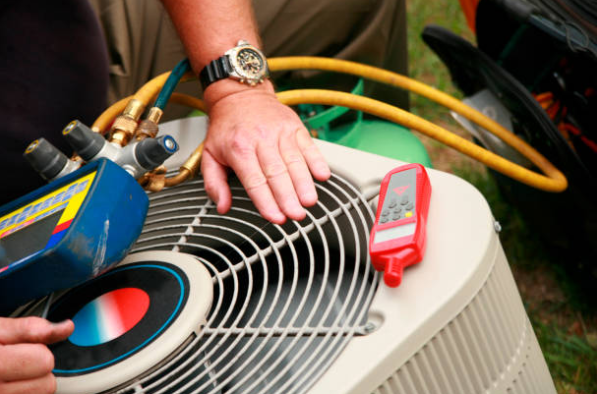
Regular service plays a central role in protecting furnace longevity. Scheduled inspections allow a trained technician to evaluate internal components, airflow, safety controls, and overall system condition.
A professional inspection identifies small issues before they escalate. Loose electrical connections, worn parts, and airflow problems often go unnoticed without a detailed inspection. Addressing these early helps prevent stress from spreading to other components.
Annual service also keeps the system properly calibrated. A furnace that operates within proper settings experiences less strain during heating cycles. Scheduling maintenance consistently helps the system perform reliably year after year.
Change Your Furnace Filter Regularly
The furnace filter protects the system by capturing dust and debris before air enters internal components. When a filter becomes clogged, airflow drops and the system must work harder to circulate warm air.
Restricted airflow increases operating temperature and places added strain on internal parts. Over time, this extra effort contributes to wear and shortens system life. Replacing the filter on a regular schedule supports steady airflow and protects sensitive components.
Most homes benefit from checking the filter every one to three months during heating season. Homes with pets or higher dust levels may need more frequent changes. This small task has a large impact on long term performance.
Keep Airflow Clear Throughout the Home
Airflow does not depend on the furnace alone. Vents, returns, and air ducts throughout your home play a major role in how efficiently the system operates.
Blocked vents restrict air movement and create pressure imbalances. When airflow cannot move freely, the system cycles more frequently and works harder to maintain temperature. Furniture, rugs, or closed registers often cause these issues without being obvious.
Keeping vents open and clear allows air to circulate evenly. Clear airflow helps the system maintain consistent heating while reducing unnecessary strain. A quick check around your home can make a meaningful difference.
Protect the Heat Exchanger From Excess Wear
The heat exchanger is one of the most critical components inside a furnace. It transfers heat safely from the combustion process into the air that warms your home.
Excessive heat buildup and frequent short cycling place stress on the heat exchanger. Dirty filters, restricted airflow, and delayed maintenance all contribute to these conditions. Over time, repeated stress increases the risk of damage.
Routine service helps protect this component by ensuring proper airflow and system balance. Preventing overheating and addressing issues early helps preserve the heat exchanger and supports safe operation.
Use a Programmable Thermostat to Reduce System Strain
A programmable thermostat helps control how often and how long your furnace runs. Frequent temperature swings force the system to cycle more often, increasing wear on components.
Setting consistent schedules allows the system to operate efficiently without unnecessary starts and stops. Gradual temperature adjustments reduce strain and help maintain steady comfort.
Using a programmable thermostat also prevents the system from running harder than needed when the home is unoccupied. Over time, reduced runtime supports longer system life.
Improve Home Insulation and Sealing
A furnace works harder when heat escapes from the home. Poor insulation and air leaks increase heating demand and force the system to operate longer to maintain comfort.
Improving insulation and sealing drafts reduces heat loss and lowers system workload. When your home retains heat more effectively, the furnace cycles less frequently and experiences less strain.
Simple improvements such as sealing gaps around doors and windows or improving attic insulation can have a meaningful impact. Better insulation supports comfort while helping the heating system last longer.
Address Small Issues Before They Become Major Repairs
Minor furnace issues often serve as early warnings. Unusual noises, uneven heating, or longer run times signal that something is not operating correctly.
Ignoring these signs allows wear to spread across components. What begins as a small adjustment or part replacement can turn into a larger repair if left unaddressed. Early attention helps limit damage and protect system performance.
Responding promptly to changes keeps issues contained and prevents unnecessary stress on the system. Proactive care is one of the most effective ways to extend furnace life.
When to Call a Professional to Protect Furnace Longevity
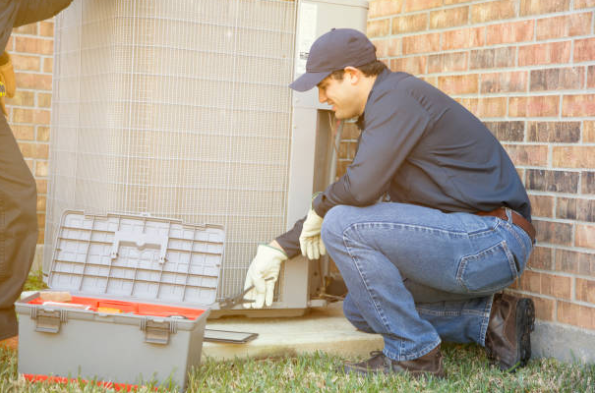
Some maintenance tasks require professional expertise. Electrical inspections, internal adjustments, and combustion checks involve safety risks when handled without training.
A qualified technician evaluates system performance using proper tools and procedures. Professional service ensures components are operating safely and efficiently. This level of inspection helps identify concerns that are not visible from the outside.
Fayetteville HVAC provides furnace service designed to help homeowners maintain reliable heating systems. Working with a trusted local provider supports safe maintenance and helps protect your system over time.
How Long Should a Well Maintained Furnace Last?
A well maintained furnace often lasts significantly longer than a neglected one. Consistent service, proper airflow, and responsible operation all contribute to extended lifespan.
Systems that receive regular inspections and prompt repairs experience less cumulative wear. Home environment, usage patterns, and installation quality also influence longevity. While no system lasts forever, good care makes a noticeable difference.
Understanding what affects furnace life allows you to make informed decisions about maintenance and repair. Proactive habits help delay replacement and support dependable heating for years.
Final Thoughts
Making your furnace last longer comes down to consistent care and thoughtful operation. Regular service, clean filters, proper airflow, and early attention to issues all reduce unnecessary strain on the system.
Small actions taken throughout the year add up to meaningful protection. When your furnace operates efficiently and safely, comfort improves and unexpected breakdowns become less likely.
If you are unsure about your system’s condition or maintenance schedule, professional support can provide clarity and peace of mind. A well cared for furnace delivers reliable warmth and dependable performance season after season.
FAQs
How long should a furnace last with proper care?
A well maintained furnace can last many years longer than a neglected system. Regular service, clean airflow, and timely repairs reduce wear and help the heating system operate reliably over a longer period.
Does regular maintenance really make a difference?
Yes, regular maintenance helps keep components clean, calibrated, and operating correctly. This reduces stress on the system, improves efficiency, and lowers the risk of breakdowns that shorten furnace life.
How often should I schedule furnace service?
You should schedule professional furnace service once a year. Annual inspections allow a technician to check performance, identify early issues, and ensure the system is operating safely before heavy heating use.
Can I extend furnace life without replacing parts?
Yes, many steps such as changing filters, keeping vents clear, and using a programmable thermostat help reduce strain. These habits support system longevity even when major parts are not replaced.
When should I call a professional about furnace longevity?
You should call a professional if you notice uneven heating, unusual noises, longer run times, or if the system has not been serviced recently. Fayette HVAC provides furnace service to help protect system performance and lifespan.